Die Rolle von Design und Inneneinrichtung beim Immobilienverkauf
In the competitive landscape of real estate, the significance of design and interior decor cannot be overstated. A well-designed space not only……

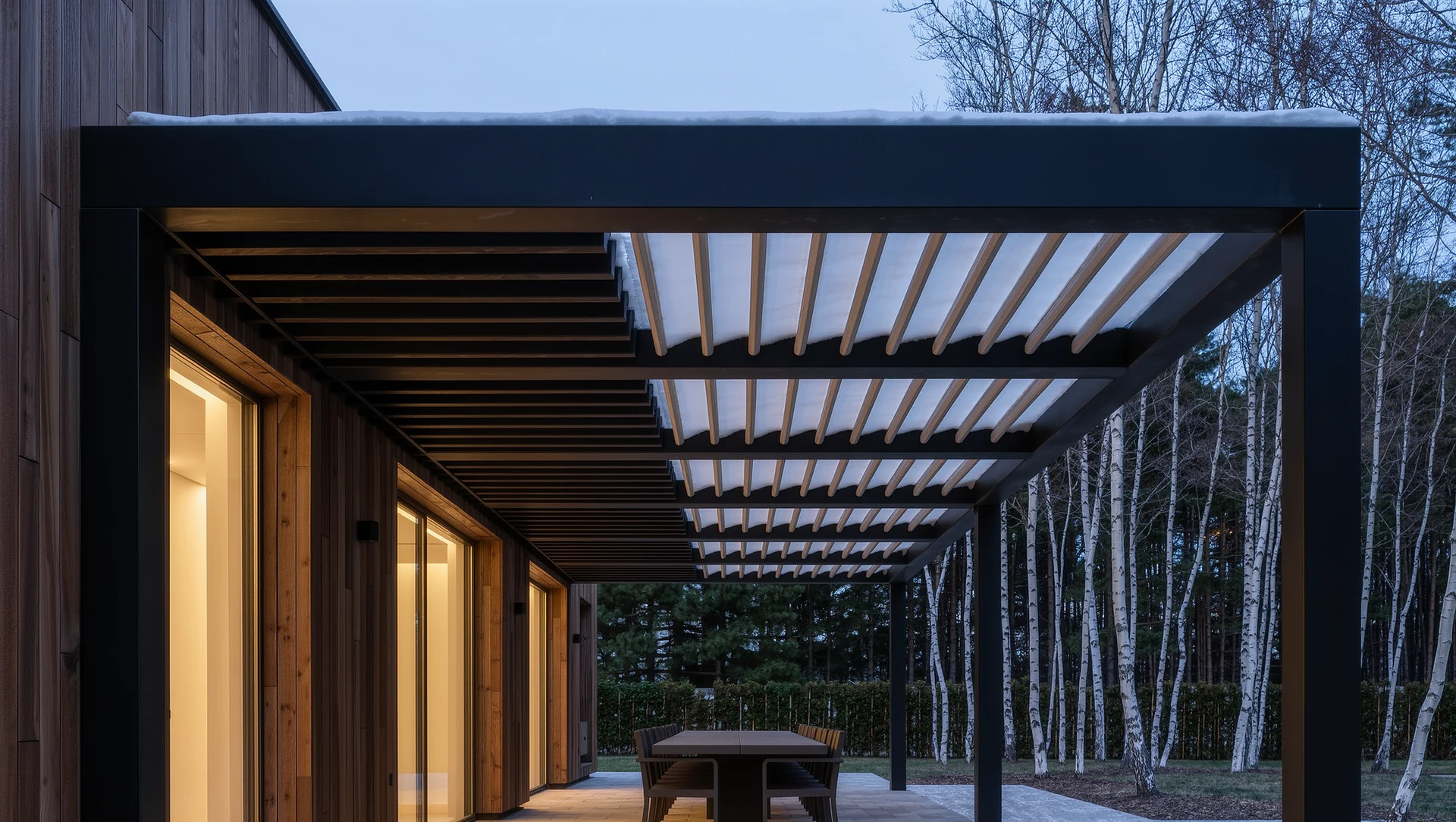
- Design und Inneneinrichtung spielen beim Immobilienverkauf eine entscheidende Rolle und beeinflussen die Wahrnehmung und Entscheidungen der Käufer.
- Ein bleibender erster Eindruck lässt sich durch gezielte Gestaltungs- und Dekorationsentscheidungen schaffen und prägt die gesamte Besichtigung.
- Die optimale Nutzung von Raum und Funktionalität durch durchdachtes Design kann eine Immobilie für potenzielle Käufer attraktiver und wertvoller machen.
- Eine gesteigerte optische Wirkung der Immobilie durch ansprechende Dekoration und Gestaltungselemente kann die Vermarktbarkeit erheblich beeinflussen.
- Eine stimmige und einladende Atmosphäre durch Design und Dekoration lässt eine Immobilie wohnlicher wirken und steigert ihre Attraktivität für Käufer.
Im Wettbewerbsumfeld der Immobilienbranche kann die Bedeutung von Design und Inneneinrichtung kaum überschätzt werden. Ein gut gestalteter Raum zieht nicht nur potenzielle Käufer an, sondern spielt auch eine entscheidende Rolle dabei, wie diese den Wert einer Immobilie wahrnehmen. Die ästhetische Wirkung eines Hauses kann Gefühle wecken, ein Gefühl von Zugehörigkeit erzeugen und letztlich Kaufentscheidungen beeinflussen.
Wenn Kaufinteressenten eine Immobilie betreten, suchen sie nicht nur einen Wohnort; sie stellen sich ihre Zukunft innerhalb dieser Wände vor. Diese emotionale Verbindung wird häufig durch durchdachte Gestaltungsentscheidungen gefördert, die zu den Wünschen und dem Lebensstil der Käufer passen. Zudem geht die Wirkung von Design über die reine Ästhetik hinaus.
Design kann die Funktionalität eines Raumes verbessern und ihn wohnlicher und ansprechender machen. Ein offener Grundriss kann beispielsweise ein Gefühl von Weite und Fluss erzeugen, während der gezielte Einsatz von Farbe und Licht architektonische Merkmale hervorhebt und Blickpunkte schafft. Im Grunde wirkt eine wirksame Inneneinrichtung wie ein stiller Verkäufer, der potenzielle Käufer durch die Immobilie führt und ihnen hilft, sich vorzustellen, wie sie den Raum bewohnen könnten.
Immobilienfachleute sollten daher erkennen, dass ein Investment in Design und Inneneinrichtung keine bloße Ausgabe, sondern ein strategischer Schritt ist, der sich durch schnellere Verkäufe und höhere Angebote deutlich auszahlen kann.
Einen bleibenden ersten Eindruck schaffen
Die Redewendung "man bekommt keine zweite Chance für einen ersten Eindruck" gilt in der Immobilienbranche in besonderem Maße. Die ersten Momente, in denen ein potenzieller Käufer eine Immobilie betritt, sind entscheidend; sie prägen die gesamte Besichtigung. Ein gut inszeniertes Haus kann Besucher vom ersten Moment an fesseln und eine unmittelbare emotionale Reaktion auslösen, die zu größerem Interesse an der Immobilie führt.
Hier kommt die Kunst des Designs ins Spiel, denn sie ermöglicht es Verkäufern, ein einladendes und inspirierendes Umfeld zu gestalten. Um einen bleibenden ersten Eindruck zu schaffen, ist es wichtig, sich auf zentrale Bereiche wie Eingangsbereiche und Wohnräume zu konzentrieren. Ein aufgeräumter Eingangsbereich mit geschmackvoller Dekoration kann Käufer sofort willkommen heißen und ihnen ein Zuhausegefühl vermitteln.
Kleine Akzente wie frische Blumen, gezielt platzierte Spiegel zur Verstärkung des Lichts oder ein gut platziertes Kunstwerk können aus einem gewöhnlichen Eingang etwas Besonderes machen. Zudem spielt die Farbwahl eine entscheidende Rolle; warme, neutrale Töne schaffen eine einladende Atmosphäre und ermöglichen es potenziellen Käufern zugleich, sich ihren eigenen Stil im Raum vorzustellen. Durch die Berücksichtigung dieser Elemente können Verkäufer sicherstellen, dass sich ihre Immobilie in einem umkämpften Markt abhebt.
Raum und Funktionalität optimal nutzen
In der Immobilienbranche ist Raum oft kostbar, weshalb die effektive Nutzung jedes Quadratmeters von großer Bedeutung ist. Käufer suchen zunehmend nach Häusern, die nicht nur gut aussehen, sondern sich auch gut in ihren Alltag einfügen. Design sollte daher sowohl Ästhetik als auch Praktikabilität berücksichtigen.
Offene Grundrisse etwa erfreuen sich wachsender Beliebtheit, da sie den Eindruck von mehr Raum erzeugen und zugleich den sozialen Austausch zwischen Familienmitgliedern oder Gästen fördern. Durch das Entfernen unnötiger Wände und Barrieren können Verkäufer zeigen, wie vielseitig ein Raum sein kann, was moderne Käufer anspricht, die Wert auf Offenheit legen. Zudem kann multifunktionales Mobiliar die Nutzbarkeit kleinerer Räume erheblich verbessern.
Ein stilvolles Schlafsofa im Gästezimmer oder ein Esstisch, der zugleich als Arbeitsplatz dient, kann beispielsweise unterschiedliche Bedürfnisse abdecken, ohne auf Stil zu verzichten. Clevere Stauraumlösungen, etwa Einbauregale oder Stauraum unter dem Bett, helfen zudem, Räume aufgeräumt und ordentlich wirken zu lassen. Indem sie zeigen, wie jeder Bereich des Hauses mehreren Zwecken dienen kann, können Verkäufer das Potenzial der Immobilie wirksam vermitteln.
Die optische Wirkung der Immobilie steigern
Die optische Wirkung ist beim Immobilienverkauf von zentraler Bedeutung; sie ist häufig ausschlaggebend dafür, dass Käufer angezogen werden und bei Besichtigungen aufmerksam bleiben. Die richtigen Gestaltungselemente können eine gewöhnliche Immobilie in etwas Besonderes verwandeln, indem sie ihre besten Merkmale hervorheben und eine einladende Atmosphäre schaffen. Eine wirksame Methode zur Steigerung der optischen Wirkung ist der gezielte Einsatz von Farbpaletten.
Neutrale Farbtöne werden häufig wegen ihrer Vielseitigkeit und beruhigenden Wirkung bevorzugt, doch gezielte Farbakzente durch Accessoires oder farbige Wände können einem Raum Persönlichkeit und Lebendigkeit verleihen. Beleuchtung ist ein weiterer entscheidender Faktor zur Steigerung der optischen Wirkung. Natürliches Licht ist bei Käufern besonders begehrt. Wird es durch Fensterdekoration oder Spiegel optimal genutzt, wirken Räume größer und einladender.
Zudem kann eine mehrschichtige Beleuchtung, die Grundbeleuchtung, Arbeitslicht und Akzentlicht kombiniert, dem gesamten Haus Tiefe und Wärme verleihen. Durchdachte Dekorationsentscheidungen, etwa Kunstwerke oder dekorative Elemente, die aktuelle Trends oder lokale Kultur widerspiegeln, tragen ebenfalls zur optischen Erzählung einer Immobilie bei. Durch die Berücksichtigung dieser Elemente können Verkäufer ein Umfeld schaffen, das potenziellen Käufern nicht nur optisch, sondern auch atmosphärisch zusagt.
Eine stimmige und einladende Atmosphäre schaffen
Ein stimmiges Design in der gesamten Immobilie ist entscheidend, um eine einladende Atmosphäre zu schaffen, die bei potenziellen Käufern Anklang findet. Wenn ein Raum nahtlos in den nächsten übergeht, entsteht ein Gefühl von Harmonie, das das Haus vollständiger wirken lässt. Erreichen lässt sich dies durch einheitliche Farbschemata, Materialien und Gestaltungsstile, die eine durchgängige Idee widerspiegeln.
Wird beispielsweise für das Wohnzimmer eine moderne Ästhetik mit klaren Möbeln und minimalistischer Dekoration gewählt, sollte sich dieser Stil auch in angrenzenden Bereichen wie Essbereich oder Küche widerspiegeln, um Kontinuität zu wahren. Neben der optischen Stimmigkeit spielt bei einer einladenden Atmosphäre auch die sinnliche Wahrnehmung wie Duft und Klang eine Rolle. Dezente Düfte von Kerzen oder frischen Blumen können positive Gefühle wecken und Besuchern während der Besichtigung ein angenehmeres Gefühl vermitteln.
Auch leise Hintergrundmusik kann das Erlebnis verbessern, indem sie eine entspannte Atmosphäre schafft, die Käufer dazu einlädt, länger zu verweilen. Durch die Beachtung solcher Details können Verkäufer ein Umfeld schaffen, das einladend wirkt und potenzielle Käufer dazu ermutigt, sich selbst dort wohnen zu sehen.
Aktuelle Gestaltungstrends einbeziehen
Nachhaltiges Design: eine wachsende Priorität
Die Integration umweltfreundlicher Merkmale in Immobilien gewinnt zunehmend an Bedeutung, da Käufer Nachhaltigkeit in den eigenen vier Wänden priorisieren. Erreichen lässt sich dies durch energieeffiziente Geräte, nachhaltige Materialien und Smart-Home-Technologie. Umweltbewusste Käufer sind bereit, für Immobilien, die ihren Werten entsprechen, einen Aufpreis zu zahlen, wodurch nachhaltiges Design zu einem wertvollen Verkaufsargument wird.
Biophiles Design: die Natur ins Haus holen
Biophiles Design, das die Verbindung zwischen Natur und Innenräumen betont, ist ein weiterer Trend, der an Beliebtheit gewinnt. Erreichen lässt sich dies durch natürliche Materialien wie Holz und Stein sowie die Einbindung von Pflanzen in die Dekoration. Diese Elemente verbessern nicht nur die optische Wirkung, sondern fördern auch das Wohlbefinden, indem sie beruhigende, an die Natur angelehnte Umgebungen schaffen.
Moderne Käufer mit zeitgemäßem Design ansprechen
Durch die Integration dieser aktuellen Gestaltungstrends können Verkäufer sich am Markt vorteilhaft positionieren und Käufer ansprechen, die nach Häusern mit zeitgemäßem Stil suchen. Wer aktuelle Designtrends frühzeitig aufgreift, kann als Immobilienfachmann die eigenen Erfolgschancen im wettbewerbsintensiven Markt von heute erhöhen.
Die Zielgruppe ansprechen
Das Verständnis der Zielgruppe ist bei der Gestaltung und Dekoration einer zu verkaufenden Immobilie entscheidend. Unterschiedliche Zielgruppen haben unterschiedliche Vorlieben in Bezug auf Stil, Funktionalität und Ausstattung. Junge Berufstätige legen beispielsweise häufig Wert auf moderne Ästhetik mit offenen Grundrissen und High-Tech-Ausstattung, während Familien eher praktische Räume mit ausreichend Stauraum und kindgerechtem Design suchen.
Wenn Gestaltungsentscheidungen gezielt auf die Bedürfnisse und Wünsche der Zielgruppe abgestimmt werden, steigen die Erfolgsaussichten eines Verkaufs erheblich. Um die Zielgruppe wirksam anzusprechen, sollten Verkäufer lokale Trends und Käuferdemografie gründlich untersuchen.
Dazu kann die Analyse aktueller Verkaufsdaten gehören oder der Austausch mit Immobilienmaklern, die Einblick darin haben, wonach Käufer in der jeweiligen Region derzeit suchen.
Sobald diese Informationen vorliegen, können Verkäufer fundierte Entscheidungen über Gestaltungselemente treffen, die bei potenziellen Käufern Anklang finden, sei es die Wahl trendiger Oberflächen in städtischer Umgebung oder klassischer Stile in Vororten.
Den Wert der Immobilie durch Design und Dekoration steigern
Ein Investment in Design und Inneneinrichtung steigert nicht nur die ästhetische Wirkung einer Immobilie, sondern kann auch deren Gesamtwert erheblich erhöhen. Gut umgesetzte Gestaltungsentscheidungen können zu höheren Wertgutachten führen und wettbewerbsfähige Angebote von Käufern anziehen, die sich ihr Traumhaus sichern möchten.
Küchenrenovierungen etwa gehören bekanntermaßen zu den Maßnahmen mit der höchsten Rendite; die Erneuerung von Arbeitsplatten, Schränken oder Geräten kann eine veraltete Küche in einen modernen kulinarischen Traum verwandeln, der Kaufinteressenten anspricht.
Zudem gewinnen Außenbereiche zunehmend an Bedeutung, da immer mehr Menschen Häuser mit funktionalen Außenflächen zum Entspannen oder für gesellige Anlässe suchen. Eine verbesserte Außenwirkung durch Landschaftsgestaltung oder einladende Außenbereiche mit Terrassen oder Decks kann den Wert einer Immobilie erheblich steigern. Durch die Berücksichtigung sowohl von Innen- als auch Außengestaltung, die das gesamte Wohnerlebnis verbessert, können Verkäufer sich am Markt vorteilhaft positionieren und beim Verkauf eine höhere Rendite erzielen.
Zusammenfassend lässt sich sagen, dass Design und Inneneinrichtung beim Immobilienverkauf eine wesentliche Rolle spielen, indem sie die Wahrnehmung der Käufer beeinflussen und den Wert der Immobilie steigern. Von der Schaffung eines bleibenden ersten Eindrucks über die optimale Raumnutzung bis hin zur gezielten Ansprache der Zielgruppe: durchdachte Gestaltungsentscheidungen sind der Schlüssel zum Erfolg im wettbewerbsintensiven Immobilienmarkt von heute.
Mehr aus Mallorca
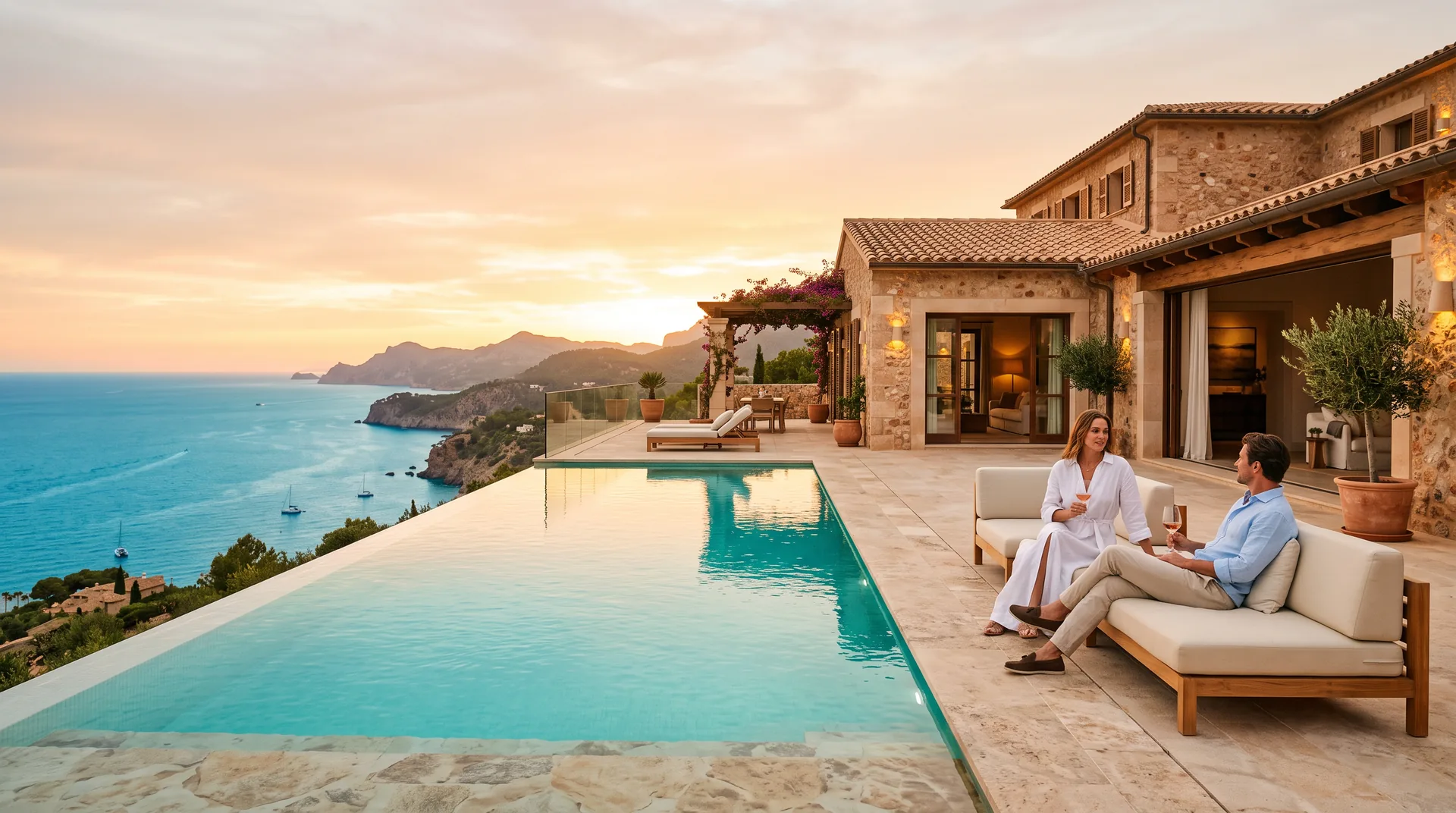
Die Bedeutung von Nachhaltigkeit in der Immobilienentwicklung
Sustainability in real estate development refers to the practice of creating buildings and communities that meet present needs without compromising th…
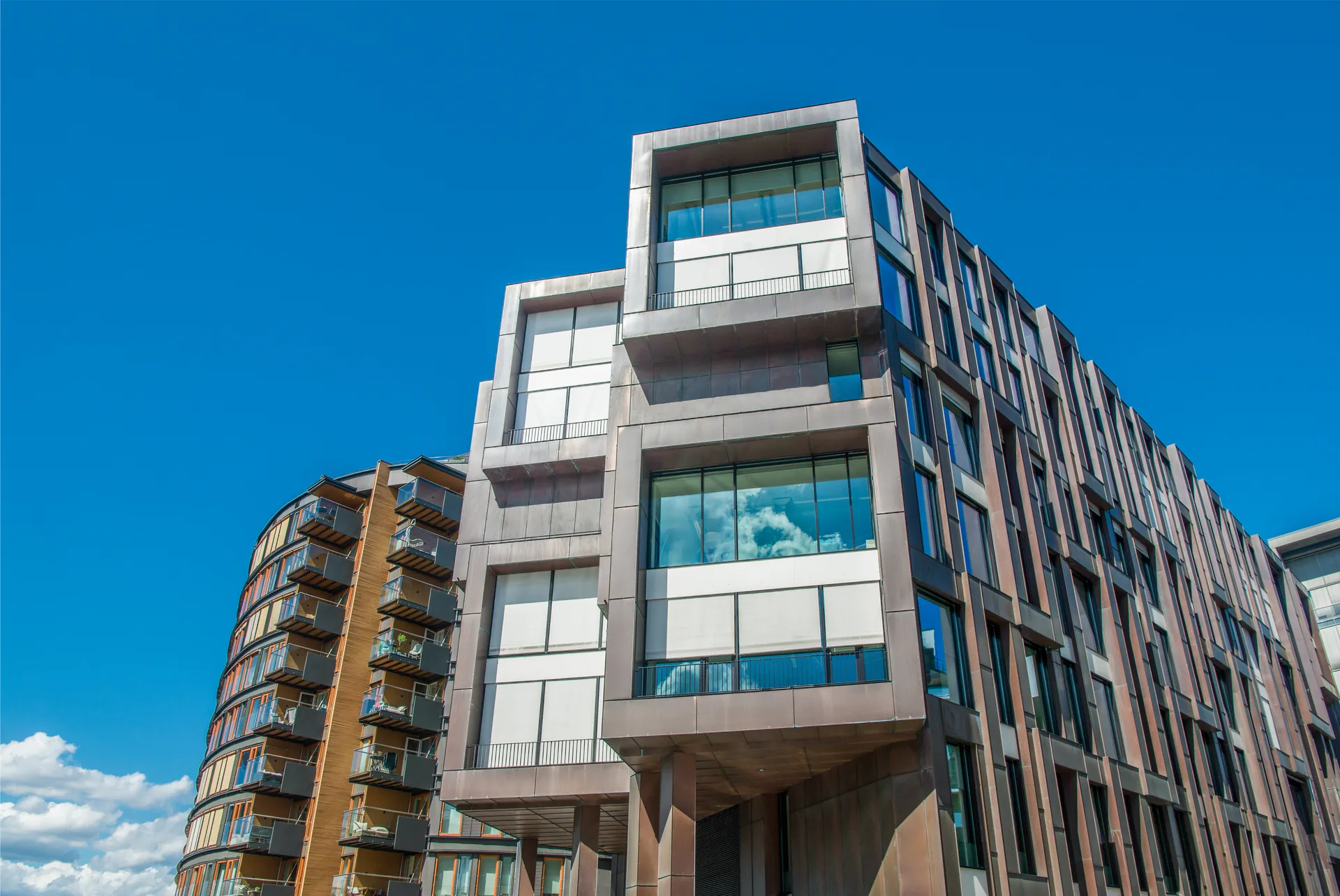
Tradition trifft modernen Komfort: Fincas auf Mallorca
The allure of traditional fincas in Mallorca is undeniable, steeped in history and culture that resonates through their very walls. These rustic……
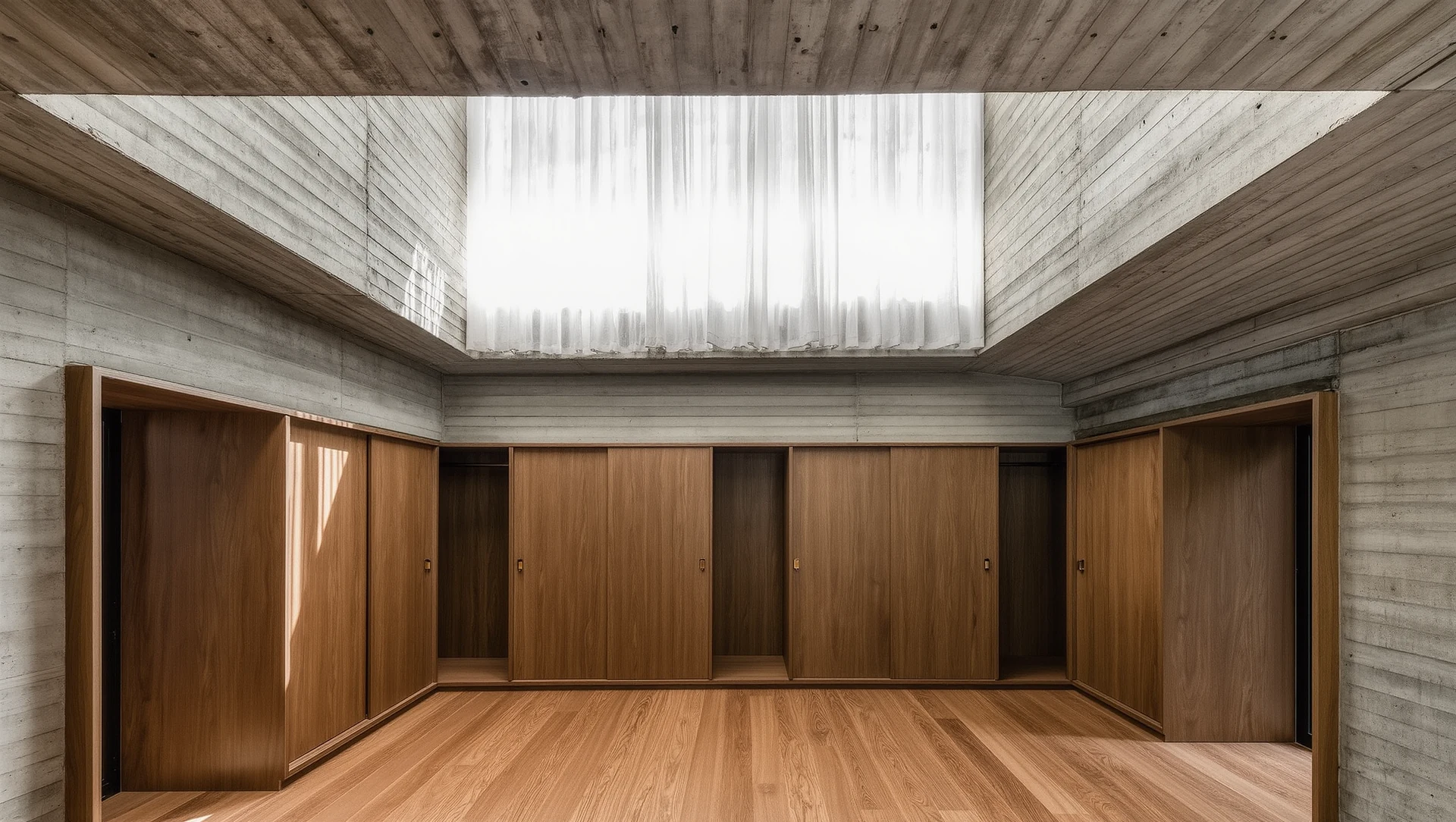
Die Rolle von Immobilienportalen und Online-Marketing
The evolution of technology has significantly transformed various industries, and real estate is no exception. The rise of real estate portals marks a…