Die Bedeutung von Nachhaltigkeit in der Immobilienentwicklung
Sustainability in real estate development refers to the practice of creating buildings and communities that meet present needs without compromising the……


- Nachhaltigkeit in der Immobilienentwicklung bedeutet, Gebäude und Quartiere zu schaffen, die umweltfreundlich, sozial verantwortlich und wirtschaftlich tragfähig sind.
- Nachhaltige Immobilienentwicklung kann zu Kosteneinsparungen, höherem Immobilienwert und geringeren Betriebskosten führen und ist damit wirtschaftlich vorteilhaft für Bauträger und Investoren.
- Durch die Senkung von Energieverbrauch, Wassernutzung und Abfallaufkommen kann nachhaltige Immobilienentwicklung positiv auf die Umwelt wirken und dazu beitragen, den Klimawandel zu bremsen und natürliche Ressourcen zu schonen.
- Nachhaltige Immobilienentwicklung kann zum Wohlergehen von Gemeinschaften beitragen, indem sie gesündere Wohnumgebungen schafft, soziale Gerechtigkeit fördert und das Gemeinschaftsgefühl stärkt.
- Die Einbindung nachhaltiger Praktiken in die Immobilienentwicklung umfasst den Einsatz umweltfreundlicher Baumaterialien, energieeffizienter Gestaltung und nachhaltiger Mobilitätsoptionen, um Umweltauswirkungen zu minimieren und den sozialen sowie wirtschaftlichen Nutzen zu maximieren.
Nachhaltigkeit in der Immobilienentwicklung bezeichnet die Praxis, Gebäude und Quartiere zu schaffen, die die heutigen Bedürfnisse erfüllen, ohne die Möglichkeiten künftiger Generationen zu beeinträchtigen, ihre eigenen Bedürfnisse zu erfüllen. Dieses Konzept umfasst einen ganzheitlichen Ansatz, der ökologische Verantwortung, wirtschaftliche Tragfähigkeit und soziale Gerechtigkeit verbindet. Es geht dabei nicht allein darum, energieeffiziente Gebäude zu errichten, sondern auch darum, eine bauliche Umgebung zu fördern, die sich in ihr Umfeld einfügt, das Gemeinwohl stärkt und Ressourcen umsichtig einsetzt.
Die Prinzipien der Nachhaltigkeit in der Immobilienentwicklung werden oft im Rahmen der Triple Bottom Line zusammengefasst: Mensch, Planet und Profit. In den vergangenen Jahren hat die Bedeutung von Nachhaltigkeit in der Immobilienbranche erheblich zugenommen. Beteiligte wie Bauträger, Investoren und Verbraucher erkennen zunehmend, dass nachhaltige Praktiken langfristige Vorteile bringen können.
Dieser Wandel wird durch ein wachsendes Bewusstsein für Klimawandel, Ressourcenknappheit und soziale Ungleichheit vorangetrieben. Nachhaltige Immobilienentwicklung ist damit nicht nur ein Trend: Sie wird zu einem grundlegenden Bestandteil dessen, wie wir über Stadtplanung und Quartiersentwicklung denken. Die Einbindung nachhaltiger Praktiken in die Immobilienentwicklung ist entscheidend, um widerstandsfähige Gemeinschaften zu schaffen, die sich an veränderte Umweltbedingungen anpassen können, während sie zugleich wirtschaftliche Chancen bieten und die Lebensqualität steigern.
Wirtschaftliche Vorteile nachhaltiger Immobilienentwicklung
Geringere Betriebskosten
Einer der überzeugendsten Vorteile ist die Senkung der Betriebskosten durch Energieeffizienz. Gebäude mit nachhaltigen Merkmalen verbrauchen oft weniger Energie und Wasser, was zu niedrigeren Nebenkosten führt. Eine Studie des U.S. Green Building Council ergab beispielsweise, dass grüne Gebäude den Energieverbrauch im Vergleich zu konventionellen Gebäuden um 30 % bis 50 % senken können. Diese Senkung kommt nicht nur Eigentümern zugute, sondern führt auch zu niedrigeren Kosten für Mieter, was nachhaltige Immobilien in umkämpften Märkten attraktiver macht.
Höhere Immobilienwerte
Zudem kann nachhaltige Immobilienentwicklung den Immobilienwert steigern. Untersuchungen zeigen, dass Immobilien mit grünen Zertifizierungen wie LEED (Leadership in Energy and Environmental Design) tendenziell höhere Kauf- und Mietpreise erzielen. Ein Bericht der National Association of Realtors zeigte, dass Häuser mit energieeffizienten Merkmalen im Durchschnitt 9 % teurer verkauft wurden als vergleichbare Häuser ohne solche Merkmale.
Höhere Nachfrage und Rentabilität
Dieser Aufpreis spiegelt die wachsende Nachfrage nach nachhaltigen Wohnräumen bei Verbrauchern wider, denen Umweltverantwortung wichtig ist. Zudem ziehen nachhaltige Projekte oft eine vielfältigere Mieterschaft an, darunter auch Unternehmen, die ihre Geschäftstätigkeit an Zielen der gesellschaftlichen Verantwortung ausrichten möchten, was Nachfrage und Rentabilität weiter steigert.
Umweltauswirkungen nachhaltiger Immobilienentwicklung
Die Umweltauswirkungen nachhaltiger Immobilienentwicklung sind tiefgreifend und weitreichend. Indem sie umweltfreundlichen Praktiken Priorität einräumen, können Bauträger ihren CO2-Fußabdruck deutlich verringern und zum Schutz natürlicher Ressourcen beitragen. Nachhaltige Gebäude sind so konzipiert, dass sie Abfall bei Bau und Betrieb minimieren und wo immer möglich erneuerbare oder recycelte Materialien nutzen.
Viele Bauträger setzen inzwischen beispielsweise auf wiederverwendetes Holz, recycelten Stahl und emissionsarme Farben mit geringem VOC-Gehalt (flüchtige organische Verbindungen), was nicht nur die Umweltbelastung verringert, sondern auch die Raumluftqualität verbessert. Zudem berücksichtigt nachhaltige Immobilienentwicklung oft Grünflächen und biologische Vielfalt. Die Integration von Parks, Gärten und natürlichen Lebensräumen in städtische Umgebungen hilft, den städtischen Wärmeinseleffekt abzumildern, verbessert die Luftqualität und steigert das Wohlbefinden der Gemeinschaft insgesamt.
Begrünte Dächer und Fassaden können zudem Dämmvorteile bieten und gleichzeitig die lokale Flora und Fauna unterstützen. Ein bemerkenswertes Beispiel ist der Bosco Verticale (Vertikaler Wald) in Mailand, Italien, mit Wohntürmen, die mit Tausenden von Bäumen und Pflanzen bewachsen sind. Dieses innovative Design trägt nicht nur zur biologischen Vielfalt bei, sondern hilft auch, CO2-Emissionen zu binden und das Stadtbild zu verschönern.
Soziale Vorteile nachhaltiger Immobilienentwicklung
Nachhaltige Immobilienentwicklung geht über ökologische Aspekte hinaus: Sie spielt auch eine entscheidende Rolle bei der Förderung sozialer Gerechtigkeit und des Gemeinwohls. Einer der wichtigsten sozialen Vorteile ist die Schaffung inklusiver Räume, die unterschiedlichen Bevölkerungsgruppen gerecht werden. Nachhaltige Projekte legen oft besonderen Wert auf bezahlbaren Wohnraum, damit Familien mit niedrigem und mittlerem Einkommen Zugang zu hochwertigen Wohnumgebungen haben.
Durch die Einbindung von Wohnraum für unterschiedliche Einkommensgruppen in nachhaltigen Quartieren können Bauträger den gesellschaftlichen Zusammenhalt fördern und wirtschaftliche Trennung verringern. Zudem legen nachhaltige Immobilienprojekte oft Wert auf Fußgängerfreundlichkeit und Anbindung an den öffentlichen Nahverkehr, was die Mobilität der Bewohner verbessert. Dieser Fokus auf Vernetzung fördert einen aktiven Lebensstil, da er es erleichtert, zu Fuß oder mit dem Fahrrad zur Arbeit, zur Schule oder zu Freizeiteinrichtungen zu gelangen.
Die Umgestaltung städtischer Gebiete zu gemischt genutzten Quartieren hat sich beispielsweise nachweislich positiv auf die körperliche Gesundheit der Bewohner ausgewirkt, indem sie Aktivitäten im Freien fördert und die Abhängigkeit vom Auto verringert. Zudem stärkt die Einbindung der Gemeinschaft in den Planungsprozess das Gefühl von Mitverantwortung unter den Bewohnern, was zu engeren sozialen Bindungen und stärkerer bürgerschaftlicher Beteiligung führt.
Nachhaltige Praktiken in die Immobilienentwicklung einbinden
Die Einbindung nachhaltiger Praktiken in die Immobilienentwicklung erfordert einen umfassenden Ansatz, der bereits in der Planungsphase beginnt und sich über den gesamten Lebenszyklus eines Projekts erstreckt. Bauträger können zunächst gründliche Standortanalysen durchführen, um die ökologischen Eigenschaften des zu bebauenden Geländes zu verstehen.
Diese Analyse sollte bestehende Ökosysteme, Wasserressourcen und lokale Klimabedingungen berücksichtigen, um Gestaltungsentscheidungen zu treffen, die die Umweltauswirkungen minimieren.
Eine wirksame Strategie ist die Nutzung grüner Gebäudezertifizierungen wie LEED oder BREEAM (Building Research Establishment Environmental Assessment Method). Diese Rahmenwerke bieten Richtlinien für die Umsetzung nachhaltiger Praktiken in verschiedenen Bereichen von Bau und Betrieb, darunter Energieeffizienz, Wassersparen, Raumluftqualität und nachhaltige Materialbeschaffung. Ein Bauträger, der eine LEED-Zertifizierung anstrebt, könnte beispielsweise Solaranlagen zur Erzeugung erneuerbarer Energie einbauen, Regenwassernutzungssysteme für die Bewässerung installieren oder energieeffiziente Heizungs- und Klimatechnik zur Optimierung der Klimasteuerung einsetzen.
Staatliche Politik und Anreize für nachhaltige Immobilienentwicklung
Staatliche Politik spielt durch Vorschriften, Anreize und Fördermöglichkeiten eine entscheidende Rolle bei der Förderung nachhaltiger Immobilienentwicklung. Viele Kommunen haben Bebauungsvorschriften eingeführt, die gemischt genutzte Projekte fördern oder eine höhere zulässige Bebauungsdichte für Projekte bieten, die Nachhaltigkeitskriterien erfüllen. Diese Vorgaben erleichtern nicht nur die Entstehung lebendiger Quartiere, sondern schaffen für Bauträger auch Anreize, umweltfreundlichen Praktiken Priorität einzuräumen.
Neben Bebauungsvorschriften können finanzielle Anreize wie Steuergutschriften oder Zuschüsse die Einstiegshürden für nachhaltige Projekte erheblich senken. Die US-Bundesregierung bietet beispielsweise über Programme wie den Energy Efficient Commercial Buildings Deduction (Section 179D) Steueranreize für energieeffiziente Modernisierungen. Ebenso haben verschiedene US-Bundesstaaten Grundsteuererlasse für grüne Gebäude oder Anlagen für erneuerbare Energie eingeführt.
Diese finanziellen Anreize können für die Umsetzbarkeit eines Projekts einen erheblichen Unterschied machen und Bauträger dazu bewegen, in nachhaltige Technologien zu investieren.
Herausforderungen und Hindernisse für nachhaltige Immobilienentwicklung
Trotz der zahlreichen Vorteile nachhaltiger Immobilienentwicklung bestehen weiterhin einige Herausforderungen, die ihre breite Umsetzung erschweren können. Ein bedeutendes Hindernis ist die Annahme, dass nachhaltige Baupraktiken teurer seien als herkömmliche Methoden. Zwar können manche Anfangskosten tatsächlich höher ausfallen, etwa für fortschrittliche Technik oder hochwertige Materialien, doch zahlreiche Studien zeigen, dass sich diese Kosten durch langfristige Einsparungen bei den Betriebskosten und höhere Immobilienwerte ausgleichen lassen.
Eine weitere Herausforderung liegt in der Komplexität der rechtlichen Rahmenbedingungen und der erforderlichen Genehmigungen für nachhaltige Projekte. Bauträger können auf bürokratische Hürden stoßen, wenn sie Genehmigungen für innovative Entwürfe oder umweltfreundliche Technologien beantragen, die nicht ohne Weiteres in bestehende Vorschriften passen. Zudem fehlt es bei manchen Beteiligten möglicherweise an Bewusstsein oder Verständnis für die Vorteile von Nachhaltigkeit in der Immobilienentwicklung.
Diese Wissenslücke kann zu Widerstand bei Investoren oder Anwohnern führen, die kurzfristigen Gewinnen möglicherweise Vorrang vor langfristigen Nachhaltigkeitszielen geben.
Künftige Trends in der nachhaltigen Immobilienentwicklung
Da das Bewusstsein für Umweltfragen weiter wächst, zeichnen sich in der nachhaltigen Immobilienentwicklung mehrere Trends ab, die die Zukunft der Branche prägen dürften. Ein bemerkenswerter Trend ist die zunehmende Integration intelligenter Technik in die Gebäudegestaltung. Intelligente Gebäude mit IoT-Geräten (Internet der Dinge) können den Energieverbrauch optimieren, indem sie Belegungsmuster überwachen und Beleuchtung oder Heizung entsprechend anpassen.
Diese Technik verbessert nicht nur die Energieeffizienz, sondern auch den Komfort der Nutzer. Ein weiterer Trend ist der Aufstieg biophiler Gestaltungsprinzipien, die Nutzer durch natürliches Licht, Belüftung und Grünflächen in der gebauten Umgebung mit der Natur verbinden sollen. Bauträger erkennen zunehmend die psychologischen Vorteile biophiler Gestaltung, etwa geringeren Stress und höhere Produktivität, was die Zufriedenheit und Bindung der Mieter stärken kann.
Da sich die Auswirkungen des Klimawandels zudem immer deutlicher zeigen, gewinnt das Thema Resilienz in der Immobilienentwicklung an Bedeutung. Dazu gehört die Planung von Gebäuden, die extremen Wetterereignissen standhalten können, sowie der Einsatz von Umnutzungsstrategien, bei denen bestehende Gebäude weiterverwendet statt abgerissen werden. Solche Ansätze verringern nicht nur Abfall, sondern bewahren auch kulturelles Erbe und werden zugleich zeitgemäßen Anforderungen gerecht.
Zusammenfassend lässt sich sagen: Nachhaltige Immobilienentwicklung verbindet auf entscheidende Weise wirtschaftliche Tragfähigkeit, verantwortungsvollen Umgang mit der Umwelt und soziale Verantwortung. Je mehr Beteiligte der Branche diese Prinzipien aufgreifen, desto eher ist mit einem grundlegenden Wandel hin zu widerstandsfähigeren und gerechteren Gemeinschaften zu rechnen, die Nachhaltigkeit für kommende Generationen in den Vordergrund stellen.
Mehr aus Mallorca
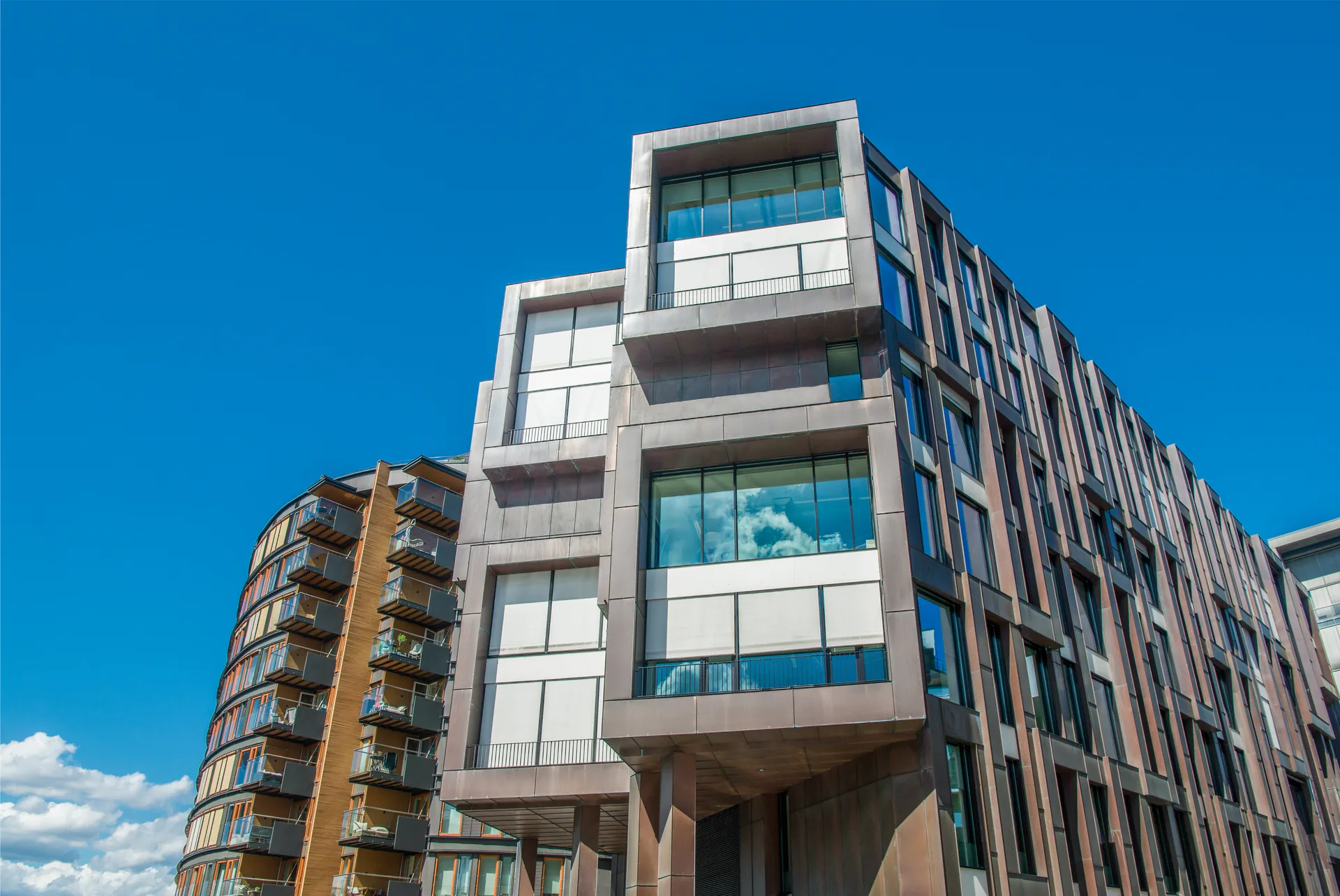
Tradition trifft modernen Komfort: Fincas auf Mallorca
The allure of traditional fincas in Mallorca is undeniable, steeped in history and culture that resonates through their very walls. These rustic……
Die Rolle von Immobilienportalen und Online-Marketing
The evolution of technology has significantly transformed various industries, and real estate is no exception. The rise of real estate portals marks a…

Die Vorteile von Immobilien mit Weinbergen oder Olivenhainen
Investing in agricultural land can significantly enhance property value over time. The demand for farmland has been on the rise, driven by various……