Die perfekte Lage für Ihre Immobilie wählen: Ein Leitfaden
When embarking on the journey of finding a new home, the first step is to gain a clear understanding of your needs and priorities.…


- Verstehen Sie Ihre Bedürfnisse und Prioritäten, bevor Sie mit der Suche nach einem neuen Standort beginnen
- Recherchieren Sie mögliche Standorte, um den besten Ort für Ihren Lebensstil und Ihre Vorlieben zu finden
- Bewerten Sie die örtliche Infrastruktur und Dienstleistungen, um sicherzustellen, dass sie Ihren täglichen Bedürfnissen entsprechen
- Berücksichtigen Sie Pendelzeiten und Verkehrsanbindung, um die Bequemlichkeit der Fortbewegung einzuschätzen
- Prüfen Sie die Sicherheit in der Gegend, um ein angenehmes Wohnumfeld zu gewährleisten
Wer sich auf die Suche nach einem neuen Zuhause begibt, sollte sich als Erstes Klarheit über die eigenen Bedürfnisse und Prioritäten verschaffen.
Dieser Prozess erfordert Selbstreflexion und eine gründliche Einschätzung dessen, was Ihnen in einem Wohnumfeld am wichtigsten ist.
Bedenken Sie beispielsweise die Größe des Zuhauses, das Sie benötigen.
Sind Sie eine wachsende Familie, die mehrere Schlafzimmer und viel Wohnraum benötigt, oder sind Sie Single und auf der Suche nach einer gemütlichen Wohnung? Denken Sie außerdem an Ihre Lebensstilpräferenzen. Legen Sie Wert auf Außenflächen für Gartenarbeit oder Freizeitaktivitäten, oder ist Ihnen die Nähe zu städtischer Infrastruktur wichtiger?
Ein weiterer entscheidender Aspekt ist Ihr Budget. Ein realistischer finanzieller Rahmen hilft dabei, die Auswahl deutlich einzugrenzen. Dazu zählen nicht nur der Kaufpreis oder die Miete, sondern auch laufende Kosten wie Nebenkosten, Grundsteuer und Instandhaltungsgebühren.
Denken Sie darüber hinaus an Ihre langfristigen Ziele. Suchen Sie eine Immobilie, die im Laufe der Zeit an Wert gewinnt, oder liegt Ihr Fokus eher auf unmittelbarem Komfort und Bequemlichkeit?
Indem Sie Ihre Bedürfnisse und Prioritäten klar definieren, schaffen Sie die Grundlage für eine erfolgreiche Immobiliensuche, die zu Ihrem Lebensstil und Ihrer finanziellen Situation passt.
Mögliche Standorte recherchieren
Sobald Sie ein klares Bild Ihrer Bedürfnisse und Prioritäten haben, besteht der nächste Schritt darin, mögliche Standorte zu recherchieren, die diesen Kriterien entsprechen. In dieser Phase erkunden Sie verschiedene Wohngegenden und Gemeinden, um herauszufinden, wo Sie sich niederlassen möchten. Berücksichtigen Sie zunächst Faktoren wie die Nähe zu Arbeitsplatz, Schulen und Freizeiteinrichtungen.
Haben Sie beispielsweise Kinder, möchten Sie vielleicht Gebiete mit angesehenen Schulen und familienfreundlichen Parks bevorzugen. Sind Sie hingegen jung und berufstätig, könnte die Nähe zu lebendigem Nachtleben und kulturellen Attraktionen reizvoller sein. Neben diesen praktischen Erwägungen ist es wichtig, sich mit dem Charakter jeder Wohngegend auseinanderzusetzen.
Manche Gebiete bieten eine lebendige städtische Atmosphäre mit vielfältigen Restaurants und Unterhaltungsmöglichkeiten, während andere ein ruhigeres, vorstädtisches Gefühl mit baumgesäumten Straßen und Nachbarschaftsveranstaltungen vermitteln. Online-Ressourcen wie Nachbarschaftsführer, lokale Foren und Social-Media-Gruppen können wertvolle Einblicke in die besonderen Eigenschaften jedes Standorts geben. Der Austausch mit aktuellen Bewohnern kann zudem authentische Eindrücke davon vermitteln, wie das Leben in einer bestimmten Gegend tatsächlich ist, und Ihnen so eine fundierte Entscheidung erleichtern.
Örtliche Infrastruktur und Dienstleistungen bewerten
Die Verfügbarkeit örtlicher Infrastruktur und Dienstleistungen kann Ihre Lebensqualität in einer neuen Wohngegend erheblich beeinflussen. Verschaffen Sie sich bei der Bewertung möglicher Standorte einen Überblick darüber, was in der Nähe verfügbar ist. Wichtige Einrichtungen wie Lebensmittelgeschäfte, medizinische Versorgung und öffentliche Verkehrsmittel sollten gut erreichbar sein.
Das Leben in einer Gegend mit mehreren Einkaufsmöglichkeiten kann beispielsweise Zeit sparen und den Alltag erleichtern, während die Nähe zu Krankenhäusern oder Kliniken für die Gewissheit einer guten medizinischen Versorgung entscheidend ist. Denken Sie über die Grundversorgung hinaus auch an Freizeiteinrichtungen, die zu Ihren Interessen passen. Wenn Sie gerne draußen aktiv sind, achten Sie auf Wohngegenden mit Parks, Wanderwegen oder Sportanlagen.
Interessieren Sie sich eher für Kunst und Kultur, stehen vielleicht Nähe zu Theatern, Galerien und Museen ganz oben auf Ihrer Liste. Auch Gemeindezentren oder Bibliotheken können Ihr Wohnerlebnis bereichern, indem sie Möglichkeiten für soziales Engagement und lebenslanges Lernen bieten. Eine gründliche Bewertung der örtlichen Infrastruktur und Dienstleistungen stellt sicher, dass Ihr neues Zuhause zu Ihrem Lebensstil passt.
Pendelzeiten und Verkehrsanbindung berücksichtigen
Pendelzeiten und Verkehrsanbindung sind entscheidende Faktoren, die Ihre Gesamtzufriedenheit mit einem neuen Zuhause beeinflussen können. Ein langer Arbeitsweg kann zu mehr Stress und weniger Freizeit führen, weshalb es wichtig ist, zu bedenken, wie weit Sie für die Arbeit oder andere tägliche Aktivitäten fahren müssen. Prüfen Sie die durchschnittlichen Pendelzeiten von möglichen Wohngegenden zu Ihrem Arbeitsplatz oder anderen häufig besuchten Orten.
Werkzeuge wie Google Maps liefern Schätzungen auf Basis der aktuellen Verkehrslage und helfen Ihnen einzuschätzen, ob sich ein bestimmtes Gebiet für Ihren Alltag eignet. Prüfen Sie neben den Pendelzeiten auch die verfügbaren Verkehrsmittel in der Gegend. Sind Sie auf öffentliche Verkehrsmittel angewiesen, informieren Sie sich über die Erreichbarkeit von Bus- oder Bahnverbindungen und deren Taktung.
Eine Wohngegend mit gut ausgebauten öffentlichen Verkehrsmitteln kann Ihre Mobilität verbessern und die Abhängigkeit vom eigenen Fahrzeug verringern. Bevorzugen Sie hingegen das Auto, achten Sie auf die Verfügbarkeit wichtiger Straßen und Verkehrsbedingungen, die Fahrzeiten beeinflussen könnten. Informieren Sie sich zudem über Radwege oder fußgängerfreundliche Wege, wenn Sie Radfahren oder Gehen als alternative Fortbewegungsmittel bevorzugen.
Durch sorgfältige Berücksichtigung dieser Faktoren können Sie einen Standort wählen, der den Stress beim Pendeln minimiert und die Bequemlichkeit maximiert.
Sicherheit prüfen
Sicherheit steht bei der Wahl eines neuen Zuhauses häufig im Vordergrund. Die Kriminalitätsrate einer Wohngegend kann Ihr Sicherheitsgefühl und Ihre Lebensqualität erheblich beeinflussen. Um die Sicherheit wirksam einzuschätzen, informieren Sie sich zunächst über Kriminalstatistiken für mögliche Gebiete über die Webseiten örtlicher Behörden oder Sicherheitsberichte der Gemeinde.
Diese Quellen liefern häufig detaillierte Informationen zu den Arten von gemeldeten Straftaten in bestimmten Wohngegenden und ermöglichen so fundierte Vergleiche. Berücksichtigen Sie neben den Statistiken auch die allgemeine Atmosphäre der Wohngegend. Gut beleuchtete Straßen, sichtbares Engagement der Gemeinschaft und aktive Nachbarschaftswachen können zu einem Gefühl der Sicherheit beitragen.
Der Austausch mit Anwohnern kann zudem wertvolle Einblicke in deren Sicherheitsempfinden in der Gegend geben. Der Besuch von Gemeindeversammlungen oder Veranstaltungen kann helfen einzuschätzen, wie stark sich die Bewohner für die Sicherheit engagieren. Letztlich stellt die Priorisierung der Sicherheit sicher, dass Sie eine Wohngegend wählen, in der Sie sich geborgen und wohl fühlen.
Die Demografie der Wohngegend betrachten
Das Verständnis der Demografie einer Wohngegend kann Ihrer Entscheidungsfindung wertvollen Kontext verleihen. Demografische Daten umfassen verschiedene Faktoren wie Altersverteilung, Einkommensniveau, Bildungsstand und kulturelle Vielfalt innerhalb der Gemeinschaft. Diese Informationen können Ihnen helfen festzustellen, ob eine Wohngegend zu Ihrem Lebensstil und Ihren gesellschaftlichen Werten passt.
Suchen Sie beispielsweise ein familienorientiertes Umfeld, könnten Wohngegenden mit einer höheren Konzentration an Familien mit Kindern reizvoller sein. Suchen Sie hingegen eine lebendige Gemeinschaft mit jungen Berufstätigen oder Ruheständlern, bieten Gebiete mit dieser Demografie möglicherweise mehr soziale Gelegenheiten, die Ihren Interessen entsprechen. Zudem kann kulturelle Vielfalt Ihr Wohnerlebnis bereichern, indem sie Ihnen unterschiedliche Perspektiven und Traditionen näherbringt.
Durch die Untersuchung demografischer Trends in möglichen Wohngegenden können Sie eine Gegend finden, die sich wie zu Hause anfühlt.
Den Immobilienmarkt der Region verstehen
Ein umfassendes Verständnis des lokalen Immobilienmarktes ist bei der Suche nach einem neuen Zuhause entscheidend. Dazu gehört die Analyse aktueller Markttrends wie Immobilienwerte, Angebotsmengen und durchschnittliche Verweildauer von Immobilien auf dem Markt in Ihrer gewünschten Gegend. Wenn Sie sich mit diesen Trends vertraut machen, können Sie fundierte Entscheidungen zu Preis und Zeitpunkt beim Kauf oder der Miete einer Immobilie treffen.
Steigen die Immobilienwerte in einer bestimmten Wohngegend aufgrund hoher Nachfrage stetig, kann es beispielsweise ratsam sein, rasch zu handeln, bevor die Preise weiter steigen. Gibt es hingegen ein Überangebot an Immobilien, das zu längeren Verweildauern auf dem Markt führt, kann dies eine Gelegenheit für Verhandlungen über Preis oder Konditionen bieten. Zudem kann das Verständnis saisonaler Trends am Immobilienmarkt Ihre Strategie beeinflussen: Bestimmte Jahreszeiten bieten mitunter bessere Angebote oder eine größere Auswahl an verfügbaren Immobilien als andere.
Indem Sie sich über die Marktdynamik in Ihrer gewählten Gegend auf dem Laufenden halten, verschaffen Sie sich gute Voraussetzungen, um das richtige Zuhause zum richtigen Preis zu sichern.
Professionelle Beratung und Unterstützung einholen
Die Komplexität der Suche nach einem neuen Zuhause kann überwältigend sein: Professionelle Beratung und Unterstützung ist daher oft von unschätzbarem Wert. Immobilienmakler verfügen über umfangreiches Wissen über lokale Märkte und können Einblicke liefern, die durch reine Online-Recherche nicht ohne Weiteres zugänglich sind. Sie können helfen, Immobilien zu finden, die Ihren Kriterien entsprechen, und bringen zudem Verhandlungserfahrung mit, die Ihnen Geld sparen kann.
Ziehen Sie neben Immobilienmaklern auch andere Fachleute wie Hypothekenmakler oder Finanzberater hinzu, die bei auf Ihre Situation zugeschnittenen Finanzierungsoptionen unterstützen können. Ihre Expertise kann helfen zu klären, was Sie sich leisten können, und sicherstellen, dass Sie alle Aspekte der finanziellen Verpflichtung beim Kauf oder der Miete eines Zuhauses verstehen. Darüber hinaus können Gutachter vor Abschluss eines Kaufs mögliche Probleme aufdecken, die sich langfristig auf Ihre Investition auswirken könnten.
Indem Sie während des gesamten Kaufprozesses professionelle Beratung nutzen, erhöhen Sie Ihre Chancen, fundierte Entscheidungen zu treffen, die zu Ihren Bedürfnissen und Prioritäten passen.
Mehr aus Mallorca

Tipps für Planung und Umsetzung von Garten- und Landschaftsgestaltung
Before embarking on any landscaping project, it is crucial to conduct a thorough assessment of your space and specific needs. This initial evaluation……
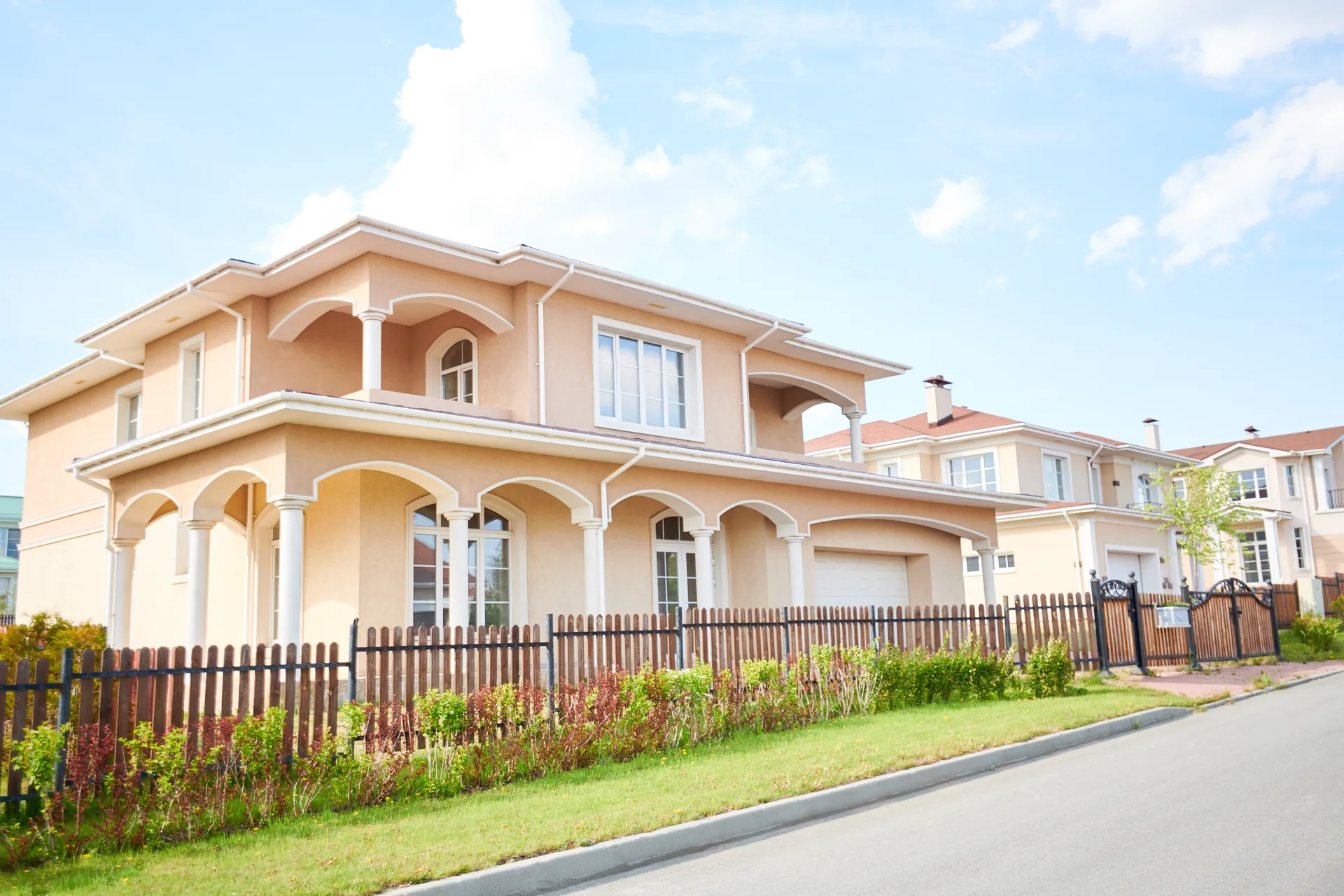
Exklusive Wohnanlagen: Sicherheit und Luxus verbinden
In recent years, the real estate landscape has witnessed a significant transformation, marked by the emergence of exclusive residential complexes.……
Tipps für eine erfolgreiche Immobilienpräsentation auf Messen
To effectively engage potential clients at a trade show or real estate exhibition, it is crucial to have a deep understanding of your audience. This……