Tipps für Planung und Umsetzung von Garten- und Landschaftsgestaltung
Before embarking on any landscaping project, it is crucial to conduct a thorough assessment of your space and specific needs. This initial evaluation……

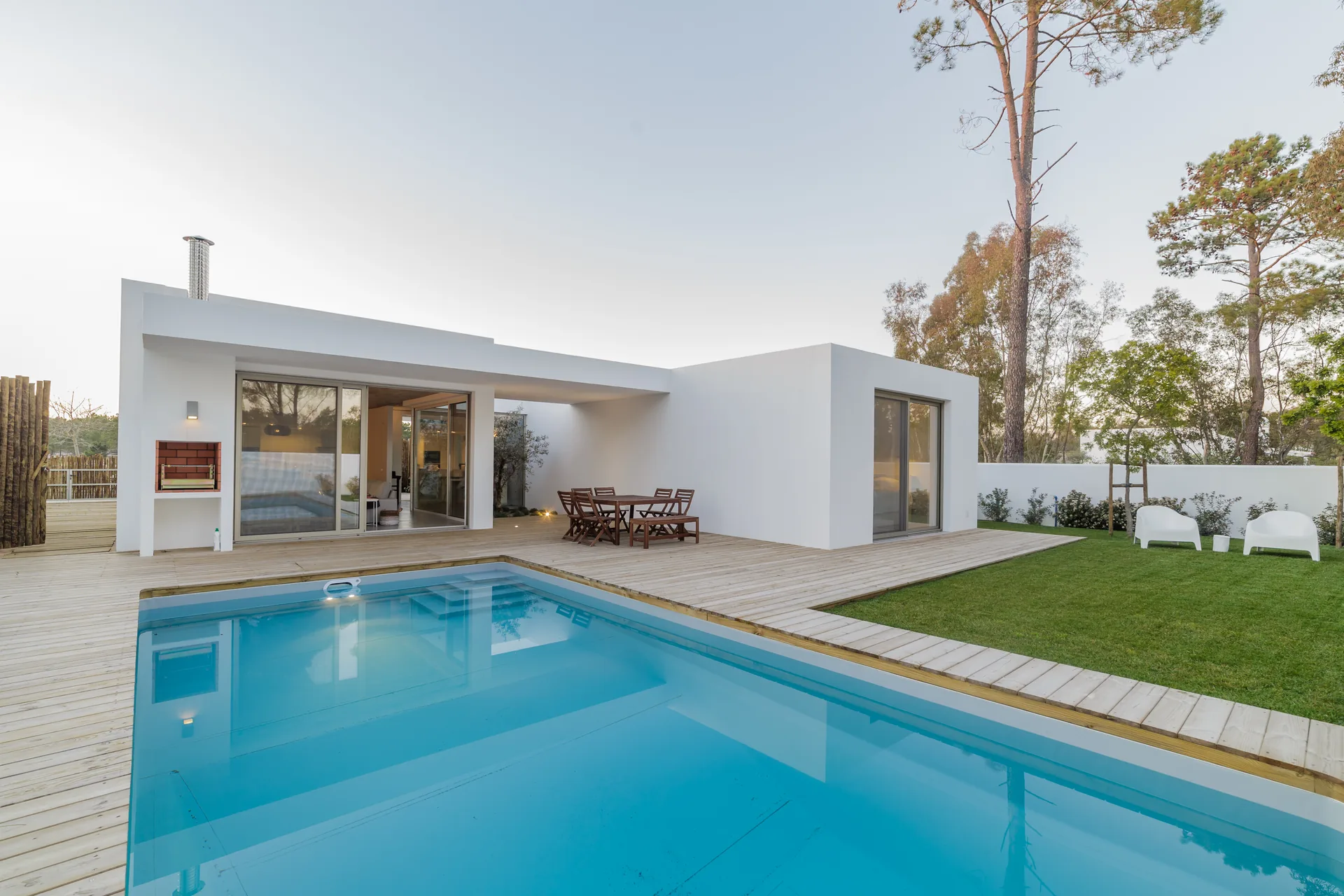
- Die verfügbare Fläche und die individuellen Anforderungen an Garten oder Außenbereich bewerten
- Ein Budget festlegen und die wichtigsten Elemente der Gestaltung priorisieren
- Recherche betreiben und Inspiration aus verschiedenen Quellen wie Zeitschriften, Websites und Gartenbesichtigungen sammeln
- Die passenden Pflanzen und Materialien für Klima und gewünschten Pflegeaufwand auswählen
- Die langfristige Pflege und Nachhaltigkeit der Gestaltung berücksichtigen, einschließlich Wasserverbrauch und umweltfreundlicher Praktiken
- Einen detaillierten Plan mit Layout erstellen, einschließlich konkreter Pflanzenstandorte und baulicher Elemente
- Die Gestaltung umsetzen und dabei genau dem Plan und Layout folgen
- Garten oder Außenbereich regelmäßig pflegen und aktualisieren, damit er dauerhaft gepflegt aussieht und gedeiht
Bevor man ein Gartenprojekt beginnt, ist eine gründliche Bestandsaufnahme der Fläche und der eigenen Anforderungen entscheidend. Diese erste Bewertung bildet die Grundlage für alle weiteren Entscheidungen und stellt sicher, dass die Gestaltung sowohl den ästhetischen Wünschen als auch den praktischen Anforderungen entspricht. Beginnen Sie damit, die physischen Eigenschaften Ihres Grundstücks zu prüfen, darunter Größe, Zuschnitt und Geländeform des Gartens.
Bestehende Elemente wie Bäume, Sträucher, Wege und bauliche Strukturen, die die Gestaltung beeinflussen können, sollten dabei erfasst werden. Auch das Verständnis der Mikroklimazonen innerhalb der Fläche, also Bereiche mit unterschiedlicher Sonneneinstrahlung, Schatten oder Wind, spielt eine wichtige Rolle dabei, welche Pflanzen gut gedeihen. Neben den physischen Eigenschaften der Fläche sollte auch die geplante Nutzung berücksichtigt werden.
Soll ein ruhiger Rückzugsort zur Entspannung entstehen, ein Bereich für Geselligkeit und Feiern, oder vielleicht ein funktionaler Nutzgarten für den Gemüseanbau? Die Definition der wichtigsten Ziele erleichtert den weiteren Gestaltungsprozess. Sind beispielsweise Grillabende im Freien geplant, empfiehlt es sich, offene Flächen und Sitzgelegenheiten in den Vordergrund zu stellen.
Steht hingegen eine ruhige Atmosphäre im Vordergrund, bieten sich Wasserelemente oder abgeschiedene Sitzecken an. Durch eine klare Definition der Anforderungen und Wünsche lässt sich eine Gartengestaltung schaffen, die nicht nur die Schönheit der Immobilie steigert, sondern auch dem jeweiligen Lebensstil gerecht wird.
Budget festlegen und Prioritäten setzen
Sobald ein klares Verständnis der Fläche und der Anforderungen vorliegt, besteht der nächste Schritt darin, ein Budget festzulegen. Die Gartengestaltung kann je nach Umfang des Projekts von einer bescheidenen Investition bis zu einem erheblichen finanziellen Aufwand reichen. Zunächst sollte festgelegt werden, wie viel Budget zur Verfügung steht, und alle möglichen Kosten sollten berücksichtigt werden.
Dazu zählen nicht nur der Kauf von Pflanzen und Material, sondern auch die Kosten für die Beauftragung von Fachleuten, sofern deren Unterstützung gewünscht ist. Zudem sollten laufende Pflegekosten eingeplant werden, die nach der ersten Anlage entstehen können. Ein klar definiertes Budget erleichtert fundierte Entscheidungen während des gesamten Gestaltungsprozesses.
Bei der Arbeit mit einem festgelegten Budget ist die Priorisierung entscheidend. Es sollte festgelegt werden, welche Elemente der Gartengestaltung am wichtigsten sind, und die Mittel entsprechend verteilt werden. Steht beispielsweise ein lebendiger Blumengarten im Vordergrund, kann mehr in hochwertige Erde und Pflanzen investiert werden, während bei baulichen Elementen auf kostengünstigere Optionen wie Kieswege statt Natursteinplatten zurückgegriffen wird.
Steht hingegen Nachhaltigkeit im Vordergrund, empfiehlt sich die Investition in heimische Pflanzen, die langfristig weniger Wasser und Pflege benötigen. Durch eine an den eigenen Zielen und Werten orientierte Ausgabenpriorisierung lässt sich eine stimmige Gestaltung erreichen, die sowohl ästhetischen als auch finanziellen Erwartungen entspricht.
Recherche betreiben und Inspiration sammeln
Steht das Budget fest, geht es an die Recherche und das Sammeln von Inspiration für das Gartenprojekt. Das Internet bietet eine Fülle an Ressourcen, von Garten-Blogs über soziale Netzwerke wie Pinterest und Instagram bis hin zu Onlineforen, in denen sich Enthusiasten über Erfahrungen und Ideen austauschen. Verschiedene Stile wie moderner Minimalismus, rustikales Cottage oder tropische Oase können erkundet werden, um den passenden Ansatz zu finden.
Besondere Aufmerksamkeit verdienen Farbpaletten, Pflanzenkombinationen und Layouts, die ins Auge fallen. Ein Moodboard kann eine wirkungsvolle Methode sein, um Ideen zu visualisieren und die eigene Vorstellung zu verfeinern. Neben Online-Ressourcen liefern Besuche botanischer Gärten oder gestalteter Parks in der Umgebung wertvolle Erkenntnisse darüber, was im jeweiligen Klima und in der jeweiligen Region gut funktioniert.
Die Beobachtung, wie verschiedene Pflanzen in der Praxis miteinander harmonieren, kann zu ungewöhnlichen Kombinationen inspirieren, die sonst vielleicht nicht in Betracht gezogen worden wären. Der Austausch mit lokalen Gartenclubs oder die Teilnahme an Workshops kann zudem das Verständnis für Pflanzenpflege und Gestaltungsprinzipien vertiefen. Wer sich mit verschiedenen Inspirationsquellen auseinandersetzt, ist besser gerüstet, eine Gartengestaltung zu schaffen, die den persönlichen Stil widerspiegelt und zugleich funktional und nachhaltig bleibt.
Die richtigen Pflanzen und Materialien wählen
Die Auswahl der richtigen Pflanzen und Materialien zählt zu den wichtigsten Aspekten der Gartengestaltung. Die Pflanzenwahl sollte sich an mehreren Faktoren orientieren, darunter Klimazone, Bodenart, Sonneneinstrahlung und Wasserverfügbarkeit. Heimische Pflanzen sind oft eine ausgezeichnete Wahl, da sie an die örtlichen Bedingungen angepasst sind und in der Regel weniger Pflege benötigen als nicht heimische Arten.
In trockenen Regionen bieten sich beispielsweise trockenheitsresistente Pflanzen wie Sukkulenten oder Ziergräser an, die mit wenig Wasser auskommen. Neben der Pflanzenwahl sollten auch die Materialien für bauliche Elemente wie Terrassen, Wege und Stützmauern zur Gesamtgestaltung passen und gleichzeitig widerstandsfähig genug für die örtlichen Witterungsbedingungen sein. Naturstein wirkt zeitlos, kann jedoch teurer sein als Betonplatten oder Ziegel.
Bei der Materialwahl sollten Struktur, Farbe und die Harmonie mit der umgebenden Landschaft berücksichtigt werden. Bei einem rustikalen Stil mit Holzelementen kann beispielsweise die Kombination mit Natursteinwegen einen einladenden Kontrast schaffen, der die Gesamtwirkung verstärkt.
Pflege und Nachhaltigkeit berücksichtigen
Bei der endgültigen Auswahl von Pflanzen und Materialien sollten die langfristigen Pflegeanforderungen der Gartengestaltung berücksichtigt werden. Manche Pflanzen wirken auf den ersten Blick zwar reizvoll, benötigen langfristig jedoch überdurchschnittlich viel Pflege oder Ressourcen. Pflegeleichte Pflanzen sparen Zeit und Aufwand und verleihen der Fläche dennoch Schönheit.
Stauden benötigen beispielsweise oft weniger Pflege als einjährige Pflanzen, da sie Jahr für Jahr wiederkommen, ohne neu gepflanzt werden zu müssen. Auch Nachhaltigkeit sollte bei Entscheidungen zur Gartengestaltung im Vordergrund stehen. Praktiken wie Xeriscaping, also eine Gartengestaltung, die den Bewässerungsbedarf reduziert oder überflüssig macht, können den Wasserverbrauch deutlich senken und zugleich die Umwelt schonen.
Regengärten oder wasserdurchlässige Beläge können helfen, Regenwasserabfluss wirksam zu steuern. Zudem unterdrückt organischer Mulch nicht nur Unkraut, sondern reichert beim Verrotten auch den Boden an. Wer bei der Gartengestaltung auf Nachhaltigkeit setzt, trägt positiv zur Umwelt bei und schafft zugleich einen schönen Außenbereich.
Einen detaillierten Plan und ein Layout erstellen
Sind alle Elemente berücksichtigt, also Flächenbewertung, Budgetvorgaben, Pflanzenwahl und Pflegeanforderungen, folgt der nächste Schritt: die Erstellung eines detaillierten Plans mit Layout für die Gartengestaltung. Dieser Schritt umfasst das Skizzieren der Ideen auf Papier oder die Nutzung digitaler Gestaltungssoftware, um zu visualisieren, wie alles zusammenwirkt. Zunächst sollten wichtige bestehende Elemente wie Bäume oder bauliche Strukturen im Plan markiert werden, bevor neue Elemente wie Blumenbeete, Wege oder Sitzbereiche hinzugefügt werden.
Bei der Layoutgestaltung sollten Bewegungsabläufe und Zugänglichkeit berücksichtigt werden.
Wege sollten breit genug für ein komfortables Fortbewegen sein, und Sitzbereiche sollten so platziert werden, dass sie Ausblicke oder den Schatten von Bäumen nutzen.
Eine Staffelung der Pflanzen nach Höhe empfiehlt sich: Höhere Pflanzen sollten im hinteren Bereich der Beete stehen, niedrigere Pflanzen weiter vorne, damit sie sichtbar bleiben.
Dies steigert nicht nur die optische Wirkung, sondern stellt auch sicher, dass alle Pflanzen ausreichend Sonnenlicht erhalten, ohne von höher wachsenden Nachbarpflanzen beschattet zu werden.
Ein durchdachter Plan dient während der Umsetzung als Leitfaden und hilft, kostspielige Fehler zu vermeiden.
Die Gestaltung umsetzen
Sobald der detaillierte Plan fertiggestellt ist, kann die Vision durch Umsetzung und Anlage Wirklichkeit werden. Je nach Komplexität der Gestaltung und eigenem Erfahrungsstand kann das Projekt in Eigenregie umgesetzt oder können Fachleute für einzelne Aufgaben wie bauliche Elemente oder das Pflanzen großer Bäume beauftragt werden. Bei Eigenregie sollten vor Beginn alle notwendigen Werkzeuge und Materialien bereitgestellt werden, um einen reibungslosen Ablauf zu gewährleisten.
Zunächst sollten bauliche Elemente wie Wege oder Stützmauern angelegt werden, bevor mit der Bepflanzung der Beete begonnen wird. Diese Reihenfolge verhindert, dass frisch bepflanzte Bereiche während der Bauarbeiten beschädigt werden. Beim Pflanzen empfiehlt es sich, bewährte Methoden anzuwenden, etwa Pflanzlöcher für Bäume und Sträucher doppelt so breit wie den Wurzelballen auszuheben und für ausreichenden Abstand zwischen den Pflanzen zu sorgen, damit Luftzirkulation und Wachstum gewährleistet sind.
Nach dem Pflanzen sollte gründlich gewässert werden, damit sich die Wurzeln in der neuen Umgebung gut entwickeln können. Während die einzelnen Elemente zusammenwachsen, lohnt es sich, regelmäßig einen Schritt zurückzutreten und zu prüfen, wie gut das Ergebnis der ursprünglichen Vision entspricht.
Regelmäßige Pflege und Aktualisierungen
Der Abschluss des Gartenprojekts markiert erst den Beginn eines fortlaufenden Prozesses, um Schönheit und Funktionalität zu erhalten. Regelmäßige Pflege ist entscheidend, damit die Pflanzen gesund bleiben und bauliche Elemente dauerhaft in gutem Zustand bleiben. Ein Pflegeplan mit Aufgaben wie Gießen, Rückschnitt, Mulchen, Unkrautentfernung und Düngen sollte sich an den spezifischen Bedürfnissen der Pflanzen orientieren.
Neben der routinemäßigen Pflege können bei Bedarf im Laufe der Zeit auch Anpassungen oder Änderungen sinnvoll sein. Mit dem Wechsel der Jahreszeiten oder wenn bestimmte Pflanzen heranwachsen, ergeben sich oft Gelegenheiten, die Gartengestaltung durch neue Elemente aufzufrischen oder weniger gut gedeihende Pflanzen durch besser geeignete zu ersetzen. Auch saisonale Farbwechsel können neue Bepflanzungen inspirieren: Frühlingsblühende Zwiebelpflanzen oder herbstlich gefärbte Stauden können den Garten das ganze Jahr über lebendig halten.
Durch kontinuierliche Beschäftigung mit dem Garten in Form regelmäßiger Pflege und durchdachter Anpassungen lässt sich sicherstellen, dass er sich über die Jahre weiterhin schön entwickelt und den eigenen Bedürfnissen gerecht wird.
Mehr aus Mallorca
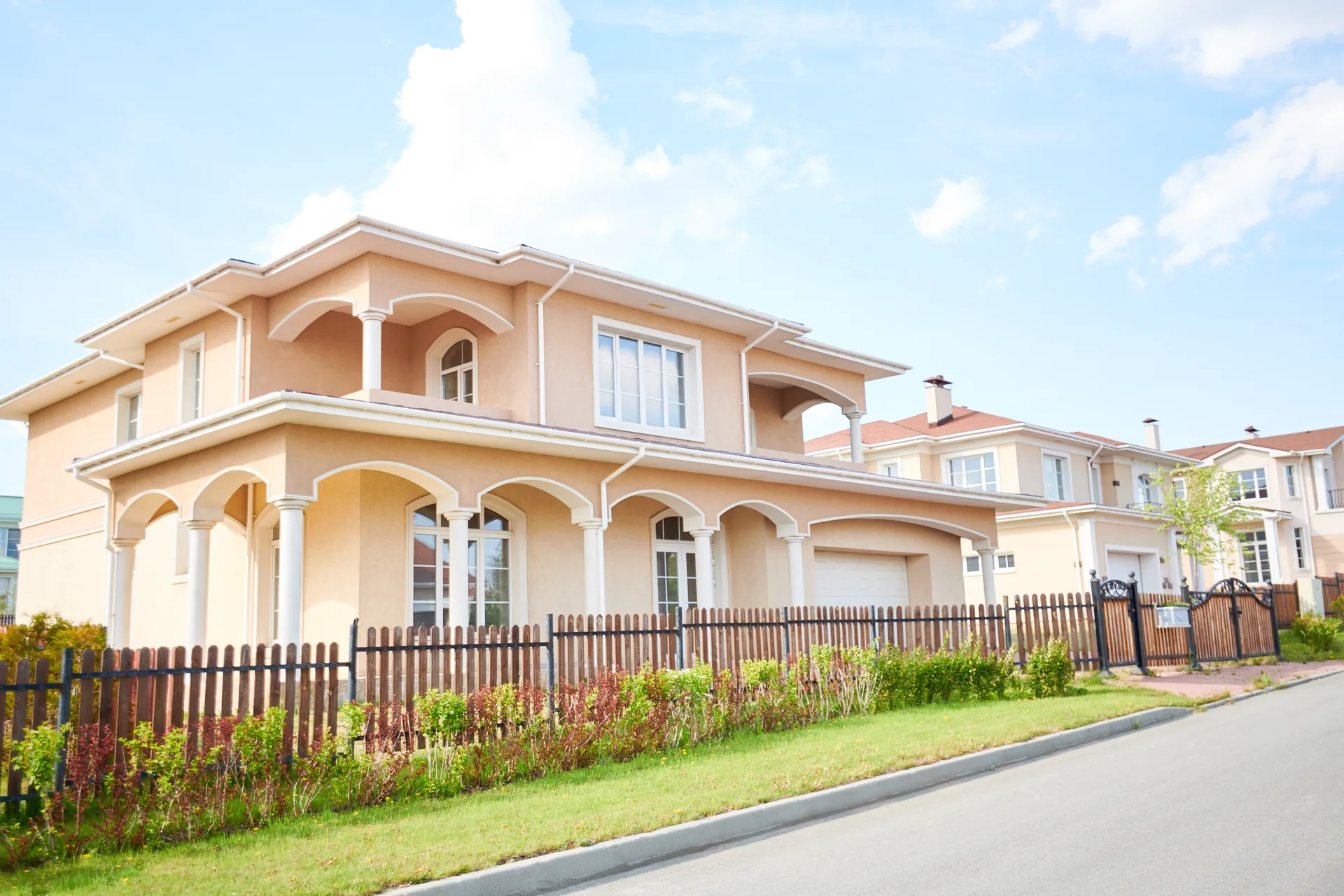
Exklusive Wohnanlagen: Sicherheit und Luxus verbinden
In recent years, the real estate landscape has witnessed a significant transformation, marked by the emergence of exclusive residential complexes.……
Tipps für eine erfolgreiche Immobilienpräsentation auf Messen
To effectively engage potential clients at a trade show or real estate exhibition, it is crucial to have a deep understanding of your audience. This……
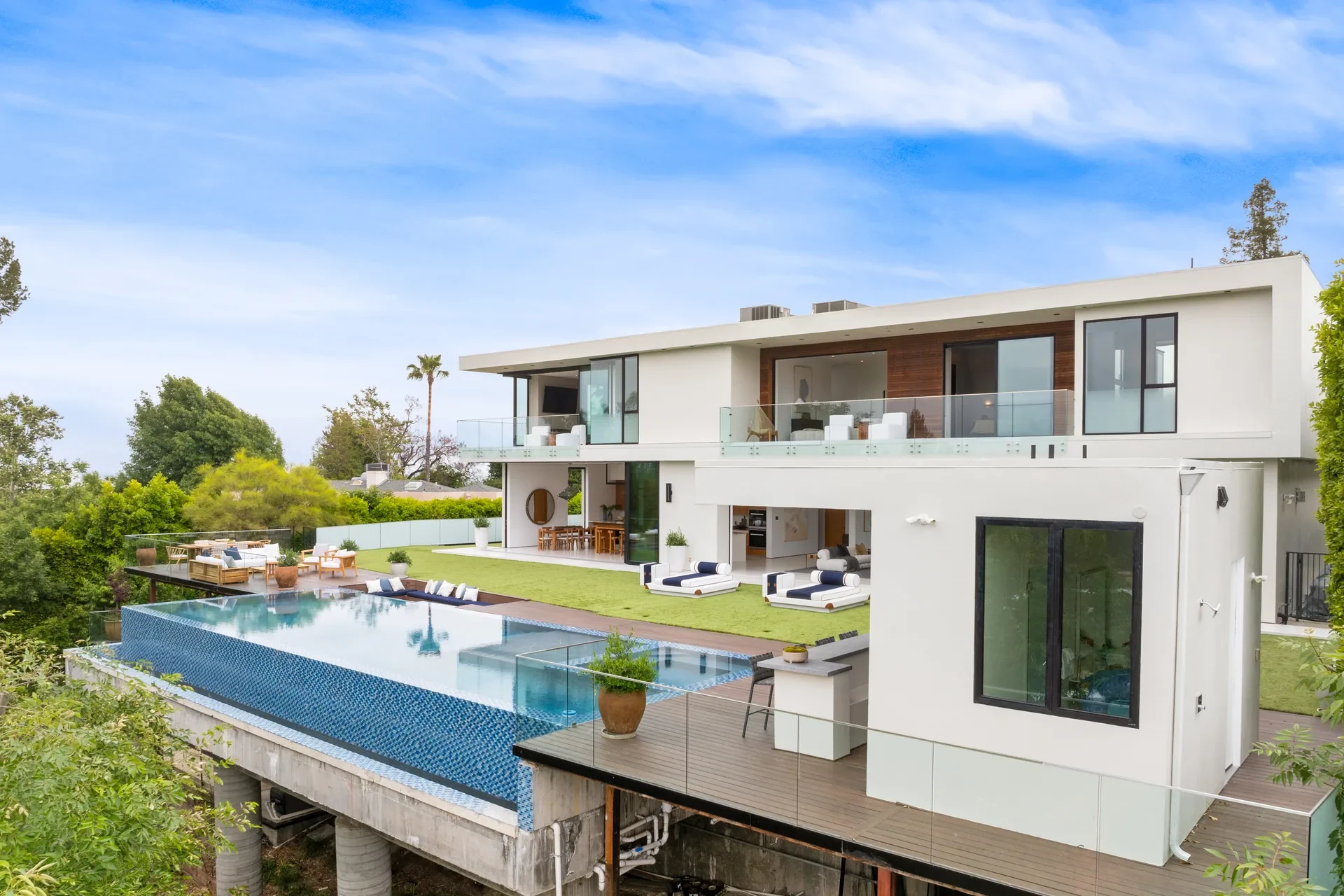
Die Vorteile von Immobilien mit privatem Strandzugang
In an increasingly interconnected world, the desire for privacy and exclusivity has become paramount for many individuals seeking a retreat from the……