Top-Tipps für gelungene Immobilienfotografie in Verkaufsanzeigen
Lighting and composition are fundamental elements in real estate photography that can significantly influence the perception of a property. Natural……

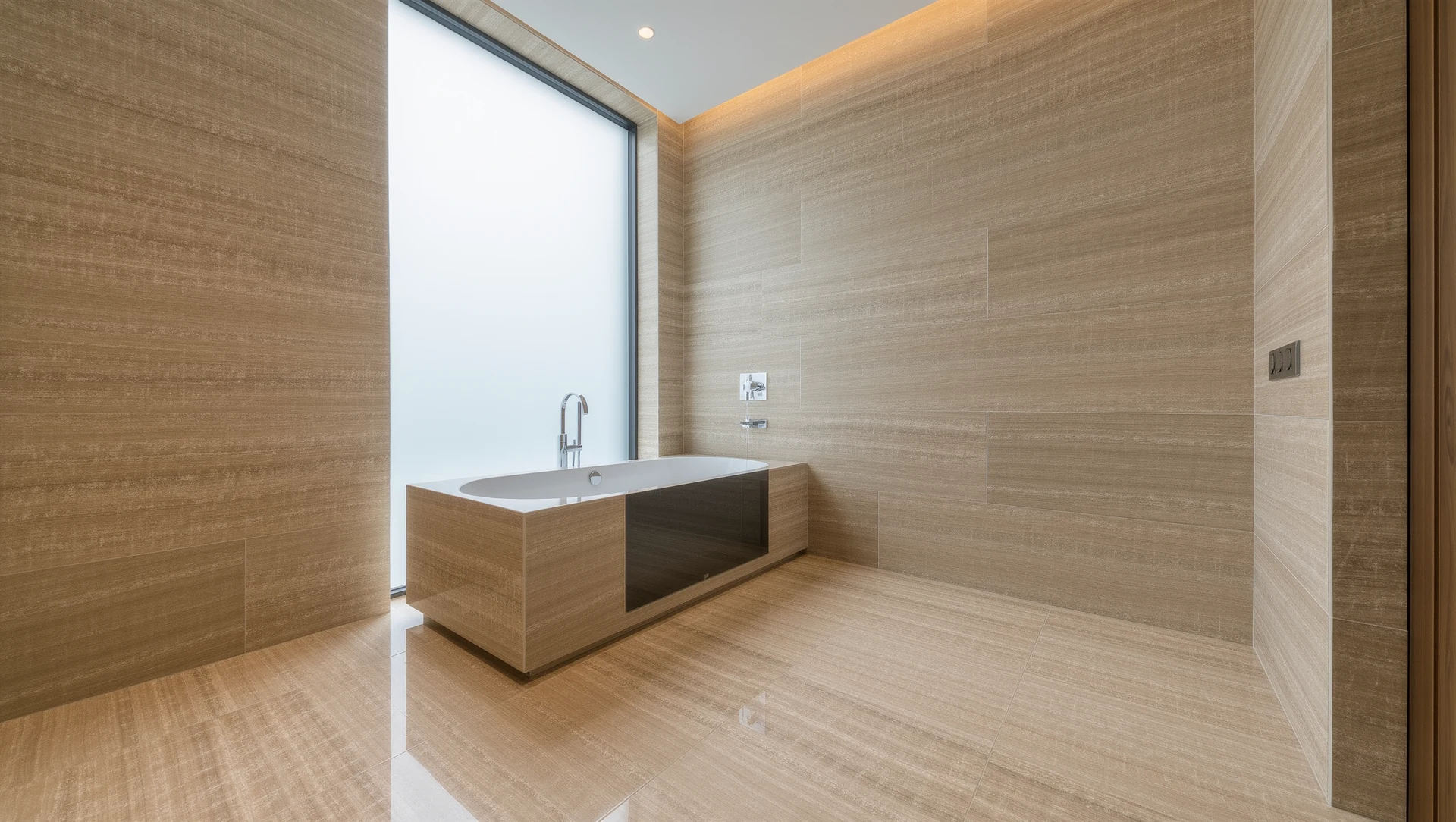
- Das richtige Licht und ein durchdachter Bildaufbau sind entscheidend, um die besten Immobilienfotos zu erzielen.
- Die Wahl der richtigen Ausrüstung und Einstellungen kann einen erheblichen Unterschied für die Qualität der Fotos ausmachen.
- Das Herrichten der Immobilie (Home Staging) ist entscheidend, um die besten Aufnahmen zu erzielen und eine einladende Atmosphäre zu schaffen.
- Das Hervorheben zentraler Merkmale und Verkaufsargumente kann helfen, potenzielle Käufer anzuziehen.
- Bearbeitungs- und Retuschetechniken können die Gesamtqualität der Fotos verbessern.
Licht und Bildaufbau sind grundlegende Elemente der Immobilienfotografie und können die Wahrnehmung einer Immobilie erheblich beeinflussen. Natürliches Licht kann, richtig eingesetzt, eine einladende Atmosphäre schaffen, die die besten Eigenschaften eines Hauses zur Geltung bringt. Fotografiert man etwa zur goldenen Stunde, kurz nach Sonnenaufgang oder vor Sonnenuntergang, wird die Immobilie in warmes, weiches Licht getaucht, was ihre Wirkung steigert.
Diese Tageszeit sorgt nicht nur für ein vorteilhaftes Licht, sondern wirft auch lange Schatten, die den Bildern Tiefe und Dimension verleihen können. Umgekehrt können grelles Mittagslicht unvorteilhafte Kontraste und Schatten erzeugen, weshalb Fotografen ihre Aufnahmezeiten strategisch wählen sollten. Der Bildaufbau spielt eine entscheidende Rolle dabei, den Blick des Betrachters durch das Bild zu lenken.
Die Drittel-Regel ist eine klassische Richtlinie, die dabei hilft, ausgewogene und ansprechende Fotografien zu schaffen. Indem der Bildausschnitt in ein Raster aus neun gleich großen Teilen unterteilt wird und zentrale Elemente entlang dieser Linien oder an ihren Schnittpunkten platziert werden, entsteht ein dynamischeres Bild. Zudem können Führungslinien wie Wege, Treppen oder architektonische Merkmale die Aufmerksamkeit auf Blickpunkte innerhalb der Immobilie lenken.
Ein gut komponiertes Foto hebt nicht nur die Merkmale der Immobilie hervor, sondern weckt bei potenziellen Käufern auch eine emotionale Reaktion und lässt sie sich vorstellen, selbst in diesem Raum zu leben.
Die richtige Ausrüstung und Einstellungen wählen
Die Wahl der passenden Ausrüstung ist entscheidend, um hochwertige Immobilienfotos zu erzielen. Für Innenaufnahmen wird häufig eine DSLR- oder spiegellose Kamera mit Weitwinkelobjektiv bevorzugt, da sich damit mehr vom Raum in einem einzigen Bild erfassen lässt.
Ein Objektiv mit einer Brennweite zwischen 16 mm und 24 mm eignet sich ideal, um Räume ohne Verzerrung darzustellen und natürliche Proportionen zu gewährleisten.
Zudem ist die Verwendung eines Stativs wichtig, um bei Langzeitbelichtungen Stabilität zu gewährleisten, besonders bei schwachem Licht. Das verhindert nicht nur Verwacklungen, sondern ermöglicht auch einen einheitlichen Bildausschnitt über mehrere Aufnahmen hinweg. Auch die Kameraeinstellungen spielen eine wichtige Rolle für optimale Ergebnisse.
Eine niedrigere ISO-Einstellung (100-400) wird empfohlen, um Bildrauschen zu minimieren und die Bildschärfe zu erhalten, besonders in gut beleuchteten Umgebungen. Die Blendeneinstellung sollte so gewählt werden, dass ein Gleichgewicht zwischen Schärfentiefe und Bildschärfe entsteht: Eine Blende von f/8 bis f/11 eignet sich oft ideal für die Immobilienfotografie, da sie eine ausreichende Schärfentiefe bietet und den Großteil des Bildes scharf hält. Darüber hinaus ermöglicht der manuelle Modus den Fotografen die volle Kontrolle über die Belichtungseinstellungen, sodass sie sich an unterschiedliche Lichtverhältnisse anpassen und die Immobilie im besten Licht festhalten können.
Die Immobilie für die besten Aufnahmen herrichten
Home Staging ist ein wesentlicher Aspekt der Immobilienfotografie, der die optische Wirkung einer Immobilie erheblich steigern kann. Ein gut hergerichtetes Zuhause ermöglicht es potenziellen Käufern, sich vorzustellen, selbst in diesem Raum zu leben, weshalb es entscheidend ist, jeden Raum im besten Licht zu präsentieren. Dieser Prozess umfasst häufig das Entrümpeln und Neutralisieren des Raums, um eine neutrale Umgebung zu schaffen, die ein breites Publikum anspricht.
Das Entfernen persönlicher Gegenstände wie Familienfotos oder übermäßiger Dekoration hilft potenziellen Käufern, sich auf die Immobilie selbst zu konzentrieren, statt von den Besitztümern des aktuellen Eigentümers abgelenkt zu werden. Neben dem Entrümpeln kann eine strategische Möblierung den Ablauf und die Funktionalität jedes Raums optimieren. Die Anordnung von Sofas und Sesseln zu einladenden Sitzgruppen kann Wohnräume beispielsweise einladender wirken lassen.
Geschmackvolle Dekorationselemente wie frische Blumen, Kunstgegenstände oder sorgfältig ausgewählte Accessoires können die ästhetische Wirkung zusätzlich steigern, ohne den Betrachter zu überfordern. Auch die Beleuchtung spielt beim Home Staging eine zentrale Rolle: Wenn während der Aufnahme alle Lichter eingeschaltet sind, entsteht eine warme und einladende Atmosphäre, die die besten Merkmale der Immobilie hervorhebt.
Zentrale Merkmale und Verkaufsargumente hervorheben
Jede Immobilie verfügt über einzigartige Merkmale, die sie von anderen auf dem Markt abheben, und eine wirksame Immobilienfotografie sollte diese Verkaufsargumente betonen. Ob ein atemberaubender Blick vom Balkon, kunstvolle architektonische Details oder hochwertige Küchengeräte: Das Einfangen solcher Elemente kann einen erheblichen Unterschied dabei machen, potenzielle Käufer anzuziehen. Nahaufnahmen einzigartiger Merkmale, etwa maßgefertigter Schränke oder luxuriöser Badarmaturen, vermitteln dem Betrachter ein Gefühl von Qualität und Handwerkskunst, das in Weitwinkelaufnahmen möglicherweise nicht erkennbar ist.
Neben der Präsentation einzelner Merkmale ist es wichtig, auch den mit der Immobilie verbundenen Lebensstil insgesamt zu vermitteln. Verfügt ein Haus beispielsweise über einen großzügigen Außenbereich, der sich perfekt zum Entertaining eignet, können Aufnahmen von Sitzbereichen im Freien oder Feuerstellen Gefühle von Entspannung und Genuss wecken.
Befindet sich die Immobilie in der Nähe von Einrichtungen wie Parks oder Einkaufszentren, können Aufnahmen, die diese nahegelegenen Attraktionen hervorheben, Käufer zusätzlich anlocken.
Durch das durchdachte Hervorheben zentraler Merkmale und Verkaufsargumente können Fotografen eine überzeugende Geschichte erzählen, die bei potenziellen Käufern Anklang findet.
Bearbeitungs- und Retuschetechniken
Die Nachbearbeitung ist ein fester Bestandteil der Immobilienfotografie, mit der Fotografen ihre Bilder weiter verbessern und Unvollkommenheiten korrigieren können. Software wie Adobe Lightroom oder Photoshop bietet leistungsstarke Werkzeuge zur Anpassung von Belichtung, Kontrast, Sättigung und Schärfe. Die Korrektur von Objektivverzerrungen ist beispielsweise bei der Verwendung von Weitwinkelobjektiven entscheidend: Diese Anpassung sorgt dafür, dass Linien gerade bleiben und Proportionen natürlich wirken.
Darüber hinaus können verstärkte Farben Bilder lebendiger und ansprechender wirken lassen, ohne sich zu weit von der Realität zu entfernen. Retuschetechniken können außerdem eingesetzt werden, um störende Elemente aus Bildern zu entfernen. Das kann das Entfernen unerwünschter Objekte aus einer Szene oder die Korrektur kleiner Mängel an Wänden oder Oberflächen umfassen.
Dabei ist es jedoch wichtig, eine Balance zwischen Verbesserung und Authentizität zu wahren: Übermäßig bearbeitete Bilder können potenzielle Käufer in die Irre führen und bei Besichtigungen zu Enttäuschungen führen. Realistische Darstellungen der Räume zu bewahren und zugleich ihre Wirkung zu steigern, ist der Schlüssel zu erfolgreicher Immobilienfotografie.
Die Zielgruppe verstehen
Ein tiefes Verständnis der Zielgruppe ist entscheidend, um die Immobilienfotografie auf deren Vorlieben und Erwartungen abzustimmen. Unterschiedliche Zielgruppen können bei der Ästhetik eines Zuhauses verschiedene Geschmäcker haben: Junge Berufstätige fühlen sich beispielsweise eher zu modernem Design mit klaren Linien und minimalistischer Dekoration hingezogen, während Familien gemütliche Räume mit traditionellen Elementen bevorzugen könnten. Durch die Identifikation des Zielmarktes für eine Immobilie können Fotografen ihren Aufnahmestil und ihre Staging-Entscheidungen entsprechend anpassen.
Darüber hinaus kann das Verständnis der Lebensstil-Wünsche potenzieller Käufer beeinflussen, wie Immobilien fotografisch präsentiert werden. Wird beispielsweise ein Luxusanwesen vermarktet, können die Betonung hochwertiger Ausstattung und exklusiver Annehmlichkeiten wie Heimkinos oder Weinkeller bei wohlhabenden Käufern, die Opulenz suchen, Anklang finden. Richtet sich die Vermarktung hingegen an Erstkäufer, sind praktische Merkmale wie Energieeffizienz oder die Nähe zu Schulen oft ansprechender.
Indem sie ihre fotografischen Entscheidungen an den Erwartungen der Zielgruppe ausrichten, können Immobilienprofis überzeugende visuelle Geschichten schaffen, die Interesse wecken.
Drohnen und Luftaufnahmen einsetzen
Der Aufstieg der Drohnentechnologie hat die Immobilienfotografie revolutioniert, da sie einzigartige Perspektiven ermöglicht, die zuvor unerreichbar waren. Luftaufnahmen erlauben beeindruckende Aufnahmen von oben, die nicht nur die Immobilie selbst, sondern auch ihre Umgebung zeigen. Diese Vogelperspektive kann zentrale Aspekte wie Grundstücksgröße, Gartengestaltung und die Nähe zu Einrichtungen oder Naturattraktionen hervorheben.
Bei Immobilien in landschaftlich reizvoller Lage, etwa Häusern direkt am Wasser oder mit weitem Ausblick, können Drohnenaufnahmen atemberaubende Panoramen einfangen, die ihre Wirkung steigern. Neben der Darstellung von Immobilien aus der Luft können Drohnen auch dynamisches Videomaterial liefern, das virtuelle Rundgänge durch Häuser und Wohngegenden ermöglicht. Dieses immersive Erlebnis erlaubt es potenziellen Käufern, Immobilien aus der Ferne zu erkunden, was im heutigen digitalen Zeitalter, in dem Online-Anzeigen oft der erste Kontaktpunkt für Kaufinteressenten sind, besonders wertvoll ist.
Dabei ist es für Fotografen jedoch wichtig, die örtlichen Vorschriften zur Drohnennutzung einzuhalten und sicherzustellen, dass sie über die erforderlichen Genehmigungen verfügen, bevor sie Luftaufnahmen erstellen.
Rechtliche und ethische Aspekte der Immobilienfotografie
Der sichere Umgang mit rechtlichen und ethischen Aspekten ist in der Immobilienfotografie von größter Bedeutung, um Vorschriften einzuhalten und die professionelle Integrität zu wahren. Ein entscheidender Aspekt ist die Einholung der Erlaubnis der Eigentümer, bevor ihr Zuhause fotografiert wird: Dies respektiert nicht nur deren Privatsphäre, sondern schafft auch Vertrauen zwischen Fotografen und Kunden. Bei der Verwendung von Drohnentechnologie für Luftaufnahmen ist es zudem wichtig, die Vorschriften der Federal Aviation Administration (FAA) zu Luftraumbeschränkungen und Lizenzanforderungen einzuhalten.
Ethische Aspekte gehen über die rechtliche Einhaltung hinaus: Fotografen sollten in ihrer Darstellung von Immobilien nach Ehrlichkeit streben. Irreführende Bilder, etwa solche, die Merkmale übermäßig verbessern oder Mängel auslassen, können bei Besichtigungen zu Unzufriedenheit bei Käufern führen und dem Ruf innerhalb der Branche schaden. Transparenz bei der Bildbearbeitung und realistische Darstellungen von Immobilien fördern das Vertrauen von Kunden und potenziellen Käufern gleichermaßen.
Indem Immobilienfotografen ethische Standards neben der rechtlichen Einhaltung priorisieren, können sie dauerhafte Beziehungen innerhalb der Branche aufbauen und zugleich hochwertige Arbeit liefern, die den Erwartungen der Kunden entspricht.
Mehr aus Mallorca
Tipps für erfolgreiches Immobilienmarketing in sozialen Medien
To effectively communicate and connect with your audience, it is essential to have a deep understanding of who they are. This involves not only……
Die Rolle von Immobilienportalen bei der Immobiliensuche
In the digital age, the way individuals buy, sell, and rent properties has undergone a significant transformation, largely due to the emergence of rea…
Nachhaltiges Bauen: Umweltfreundliche Immobilien auf Mallorca
In recent years, Mallorca has witnessed a significant shift towards sustainable building practices, driven by a growing awareness of environmental……