Top-Regionen für den Immobilienkauf auf Mallorca
Mallorca, the largest of the Balearic Islands, is a Mediterranean paradise that has captivated travelers for centuries. Known for its stunning……

- Mallorca ist eine wunderschöne Insel im Mittelmeer, bekannt für ihre beeindruckenden Strände, malerischen Dörfer und reiche Geschichte.
- Palma de Mallorca ist die Hauptstadt der Insel mit einer wunderschönen historischen Altstadt, einer beeindruckenden Kathedrale und einem lebendigen Nachtleben.
- Die Serra de Tramuntana ist ein Gebirgszug im Nordwesten Mallorcas mit atemberaubenden Landschaften, Wanderwegen und malerischen Dörfern.
- Die Ostküste Mallorcas ist bekannt für ihre unberührten Strände, das kristallklare Wasser und lebendige Urlaubsorte wie Cala Millor und Cala Ratjada.
- Die Südküste Mallorcas beherbergt beliebte Strandziele wie Magaluf und Palma Nova sowie ruhigere Buchten und Fischerdörfer.
- Die Nordküste Mallorcas ist geprägt von schroffen Klippen, versteckten Buchten und charmanten Orten wie Alcudia und Pollensa.
- Die Inselmitte Mallorcas ist eine Region traditioneller Dörfer, sanfter Landschaften und historischer Sehenswürdigkeiten wie des Klosters Santuari de Lluc.
- Zusammenfassend bietet Mallorca eine Vielzahl an Attraktionen, von beeindruckenden Stränden bis hin zu Berglandschaften, und ein Besuch verschiedener Regionen lohnt sich, um die Insel vollständig zu erleben.
Mallorca, die größte der Balearen-Inseln, ist ein mediterranes Paradies, das Reisende seit Jahrhunderten in seinen Bann zieht. Bekannt für ihre beeindruckenden Landschaften, ihre reiche Geschichte und ihre lebendige Kultur, bietet diese spanische Insel eine große Bandbreite an Erlebnissen für Besucher jeder Art. Von sonnenverwöhnten Stränden bis zu schroffen Bergen verbindet Mallorca Naturschönheit und historische Bedeutung auf mühelose Weise.
Die strategische Lage der Insel im Mittelmeer hat sie zu einem Knotenpunkt verschiedener Kulturen gemacht, was sich in ihrer Architektur, Küche und ihren Traditionen widerspiegelt. Der Reiz Mallorcas geht über seine malerische Landschaft hinaus. Die Insel verfügt über ein mildes Klima und ist dadurch ein attraktives Ganzjahresziel.
Mit über 300 Sonnentagen im Jahr lassen sich unabhängig von der Jahreszeit Aktivitäten im Freien genießen und die zahlreichen Attraktionen der Insel entdecken. Mallorcas einzigartige Mischung aus traditionellen und modernen Einflüssen schafft eine lebendige Atmosphäre, die zum Erkunden einlädt. Ob Abenteuer in der Natur oder ein gemütlicher Tag im Café, Mallorca hat für jeden etwas zu bieten.
Palma de Mallorca
Palma de Mallorca, die Hauptstadt der Insel, ist das pulsierende Herz Mallorcas. Diese lebendige Stadt ist ein geschäftiges Zentrum, in dem Geschichte und Moderne harmonisch nebeneinander bestehen. Die ikonische Kathedrale La Seu mit ihrer beeindruckenden gotischen Architektur prägt die Skyline und zählt zu den unbedingt sehenswerten Wahrzeichen.
Dieses über mehrere Jahrhunderte erbaute architektonische Meisterwerk dient nicht nur als Gotteshaus, sondern auch als Symbol des reichen Erbes der Stadt. Besucher können die kunstvoll gestalteten Innenräume erkunden und von ihrem Glockenturm aus einen atemberaubenden Ausblick genießen. Neben der Kathedrale beherbergt Palma zahlreiche Museen, Galerien und Kultureinrichtungen, die das künstlerische Erbe der Insel präsentieren.
Das Es Baluard Museum für moderne und zeitgenössische Kunst zeigt Werke lokaler und internationaler Künstler, während das Museu de Mallorca durch seine umfangreiche Sammlung an Exponaten Einblicke in die Geschichte der Insel bietet.
Beim Bummeln durch die engen Gassen der Altstadt entdeckt man charmante Plätze, kleine Boutiquen und lebendige Tapas-Bars, in denen sich die traditionelle mallorquinische Küche genießen lässt.
Straßenkünstler und lokale Märkte tragen zusätzlich zur lebendigen Atmosphäre und zum Charme der Stadt bei.
Serra de Tramuntana
Der Gebirgszug der Serra de Tramuntana erstreckt sich entlang der Nordwestküste Mallorcas und ist als UNESCO-Weltkulturerbe für seine Kulturlandschaft anerkannt. Dieser eindrucksvolle Gebirgszug ist geprägt von steilen Klippen, terrassierten Feldern und malerischen Dörfern, die sich an die Berghänge schmiegen. Das Gebiet ist nicht nur ein Paradies für Wanderer und Naturliebhaber, sondern bietet auch Einblicke in das traditionelle mallorquinische Leben.
Die Trockenmauern und alten Olivenhaine, die die Landschaft prägen, zeugen von jahrhundertelangen landwirtschaftlichen Praktiken, die die Region geformt haben. Einer der beliebtesten Wanderwege in der Serra de Tramuntana ist der GR221, auch als Trockenmauerweg bekannt. Dieser Wanderweg führt durch atemberaubende Landschaften, darunter Panoramablicke auf das Mittelmeer und üppige Täler.
Unterwegs entdecken Wanderer charmante Dörfer wie Valldemossa und Deià, jedes mit seinem eigenen Charakter und seiner eigenen Geschichte. Valldemossa ist bekannt für sein Kartäuserkloster, in dem der Komponist Frédéric Chopin einen Winter verbrachte, während Deià seit langem ein Rückzugsort für Künstler ist und Kreative aus aller Welt anzieht. Die Verbindung aus Naturschönheit und kultureller Vielfalt macht die Serra de Tramuntana zu einem wesentlichen Bestandteil jedes Mallorca-Besuchs.
Ostküste
Die Ostküste Mallorcas ist bekannt für ihre beeindruckenden Strände und das kristallklare Wasser und damit ein beliebtes Ziel sowohl für Sonnenanbeter als auch für Wassersportfans. Orte wie Cala d'Or und Portocolom bieten idyllische Kulissen mit charmanten Häfen und sandigen Buchten. Cala d'Or ist besonders bekannt für seine malerische Marina mit gehobenen Restaurants und Geschäften, die einen perfekten Rahmen für gemütliche Spaziergänge oder Abendessen bei Sonnenuntergang bieten.
Neben ihren wunderschönen Stränden beherbergt die Ostküste mehrere Naturparks und Schutzgebiete, die die vielfältigen Ökosysteme Mallorcas zeigen. Der Naturpark Mondragó bietet Wanderwege, die durch üppige Landschaften voller einheimischer Flora und Fauna führen. Vogelbeobachter freuen sich in dieser ruhigen Umgebung über zahlreiche Arten.
Die nahegelegenen Drachenhöhlen sind ein weiteres Highlight, diese beeindruckenden unterirdischen Höhlen beherbergen einen der größten unterirdischen Seen der Welt. Geführte Touren führen Besucher durch beeindruckende Felsformationen und geben Einblicke in die geologische Geschichte der Insel.
Südküste
Die Südküste Mallorcas ist geprägt von lebendigen Badeorten und einem regen Nachtleben und damit ein ideales Ziel für alle, die sowohl Unterhaltung als auch Entspannung suchen. Gebiete wie Magaluf und Palmanova sind besonders bei jüngeren Reisenden beliebt, die eine lebendige Atmosphäre mit Bars, Clubs und Unterhaltungsangeboten suchen. Diese Orte bieten tagsüber vielfältige Wassersportaktivitäten, von Jetski bis Parasailing, sodass Besucher ihre Zeit in der Sonne optimal nutzen können.
Abseits der belebten Urlaubsorte zeigt sich jedoch auch eine ruhigere Seite der Südküste. Die beeindruckenden Strände von Es Trenc und Cala Pi eignen sich perfekt für alle, die abseits der Menschenmengen etwas Ruhigeres suchen. Es Trenc ist bekannt für seine langen Abschnitte aus weißem Sand und türkisfarbenem Wasser, oft verglichen mit karibischen Stränden.
Zudem handelt es sich um ein Naturschutzgebiet, was den Ort ideal für Naturliebhaber macht, die unberührte Umgebung und Sonne genießen möchten.
Nordküste
Die Nordküste Mallorcas bietet ein ganz anderes Erlebnis: Ihre eindrucksvollen Klippen und abgelegenen Strände vermitteln ein Gefühl von Ruhe, fernab der stärker touristisch geprägten Gebiete. Der Ort Alcúdia ist das Tor zu dieser Region, bekannt für seine gut erhaltene mittelalterliche Stadtmauer und die charmante Altstadt mit engen Gassen und kleinen Geschäften. Der Strand von Alcúdia erstreckt sich kilometerweit entlang der Küste und bietet feinen Sand und flaches Wasser, ideal für Familien.
Weiter entlang der Küste liegt Cap de Formentor, eine atemberaubende Halbinsel mit einigen der schönsten Ausblicke Mallorcas. Die kurvenreichen Straßen zum Leuchtturm von Cap de Formentor bieten Panoramablicke auf die schroffe Küste und das azurblaue Meer darunter. Das Gebiet bietet zudem mehrere Wanderwege, auf denen sich versteckte Buchten entdecken und die Natur in ihrer schönsten Form genießen lassen.
Der abgelegene Strand von Cala Figuera ist eines dieser Kleinode, nur zu Fuß oder mit dem Boot erreichbar, bietet er einen idyllischen Rückzugsort für alle, die in ruhiger Umgebung entspannen möchten.
Die Inselmitte Mallorcas
Die Inselmitte Mallorcas zeigt eine andere Facette des Insellebens, geprägt von sanften Hügeln, fruchtbaren Ebenen und charmanten Dörfern, die die traditionelle mallorquinische Kultur widerspiegeln. Besonders erwähnenswert ist der Ort Sineu, wo jeden Mittwoch einer der ältesten Märkte der Insel stattfindet, auf dem Einheimische frische Erzeugnisse, Kunsthandwerk und handgefertigte Waren verkaufen.
Diese lebendige Marktatmosphäre bietet Besuchern einen authentischen Einblick in das lokale Leben und die Gelegenheit, traditionelle Spezialitäten wie ensaimada oder sobrasada zu probieren.
Die Inselmitte beherbergt zudem mehrere Weingüter, die einige der besten Weine Mallorcas erzeugen. Die Weinregion Binissalem ist bekannt für ihre Rotweine aus einheimischen Rebsorten wie Manto Negro und Callet. Viele Weingüter bieten Führungen und Verkostungen an, bei denen Besucher mehr über den Weinherstellungsprozess erfahren und dabei den Blick auf die Weinberge vor der Kulisse des Tramuntana-Gebirges genießen können.
Eine Erkundung dieser Region gewährt Einblicke in das landwirtschaftliche Erbe Mallorcas und bietet zugleich Gelegenheit, kulinarische Genüsse zu entdecken.
Fazit und abschließende Tipps
Mallorca ist eine Insel, die für jeden Reisenden eine Fülle an Erlebnissen bereithält. Von der Erkundung historischer Stätten in Palma de Mallorca über Wanderungen in der Serra de Tramuntana bis hin zur Entspannung an unberührten Stränden entlang der Küste gibt es keinen Mangel an Aktivitäten. Bei der Planung eines Besuchs dieses bezaubernden Reiseziels lohnt sich die Berücksichtigung der Jahreszeit: Während die Sommermonate von Touristen auf der Suche nach Sonne und Spaß geprägt sind, bieten Frühling und Herbst milderes Wetter und weniger Menschenmengen.
Reisende sollten zudem die auf der Insel verfügbaren öffentlichen Verkehrsmittel nutzen: Busse verbinden die wichtigsten Orte und Sehenswürdigkeiten und ermöglichen eine einfache Erkundung ohne eigenes Auto. Auch das Mieten eines Fahrrads eignet sich hervorragend, um versteckte Schätze entlang malerischer Strecken zu entdecken und dabei frische Luft und schöne Landschaften zu genießen. Ob kulturelle Erlebnisse oder Naturschönheit im Vordergrund stehen, Mallorca verspricht unvergessliche Erinnerungen, die noch lange nach dem Besuch nachwirken.
Mehr aus Mallorca
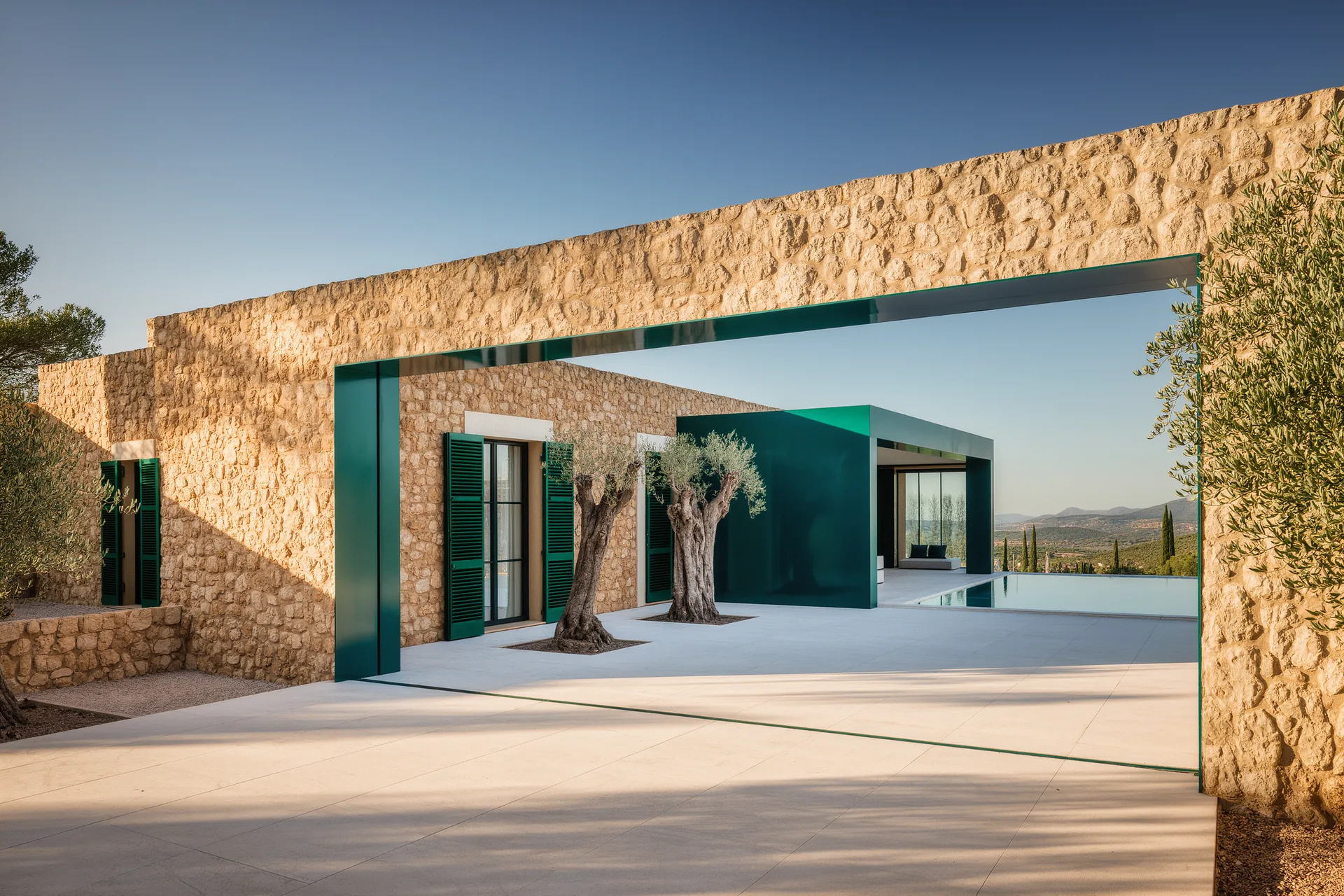
Freizeit für Immobilienbesitzer auf Mallorca: Golf, Yachting und Strand
Mallorca, the largest of the Balearic Islands, is not only renowned for its stunning beaches and vibrant culture but also for its exceptional golfing……
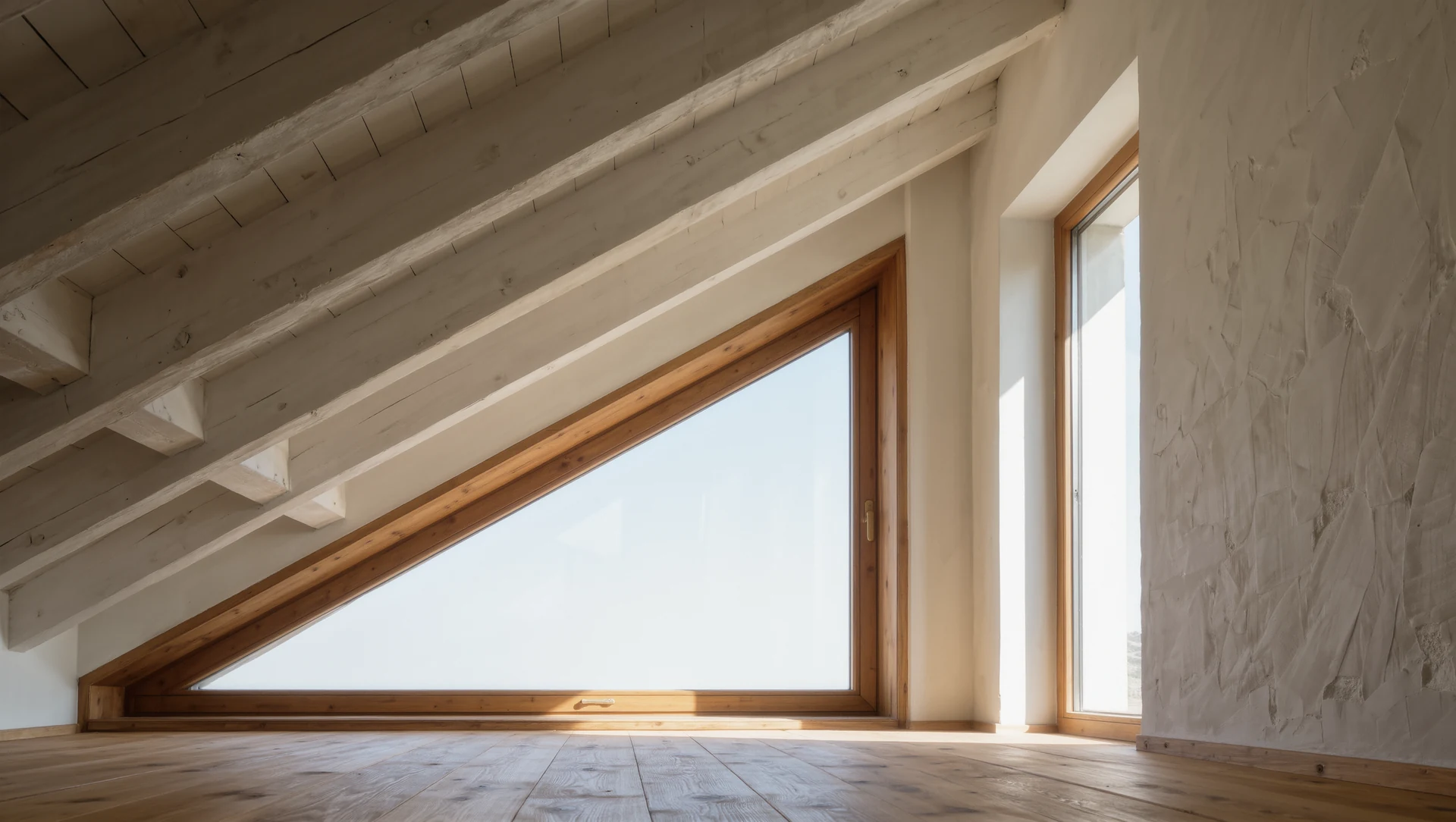
Die Vorteile von Neubauprojekten vs. Bestandsimmobilien
Die Wertsteigerung von Immobilien ist ein zentrales Anliegen für Eigentümer und Investoren. In der heutigen Zeit, in der sich die Anforderungen an……
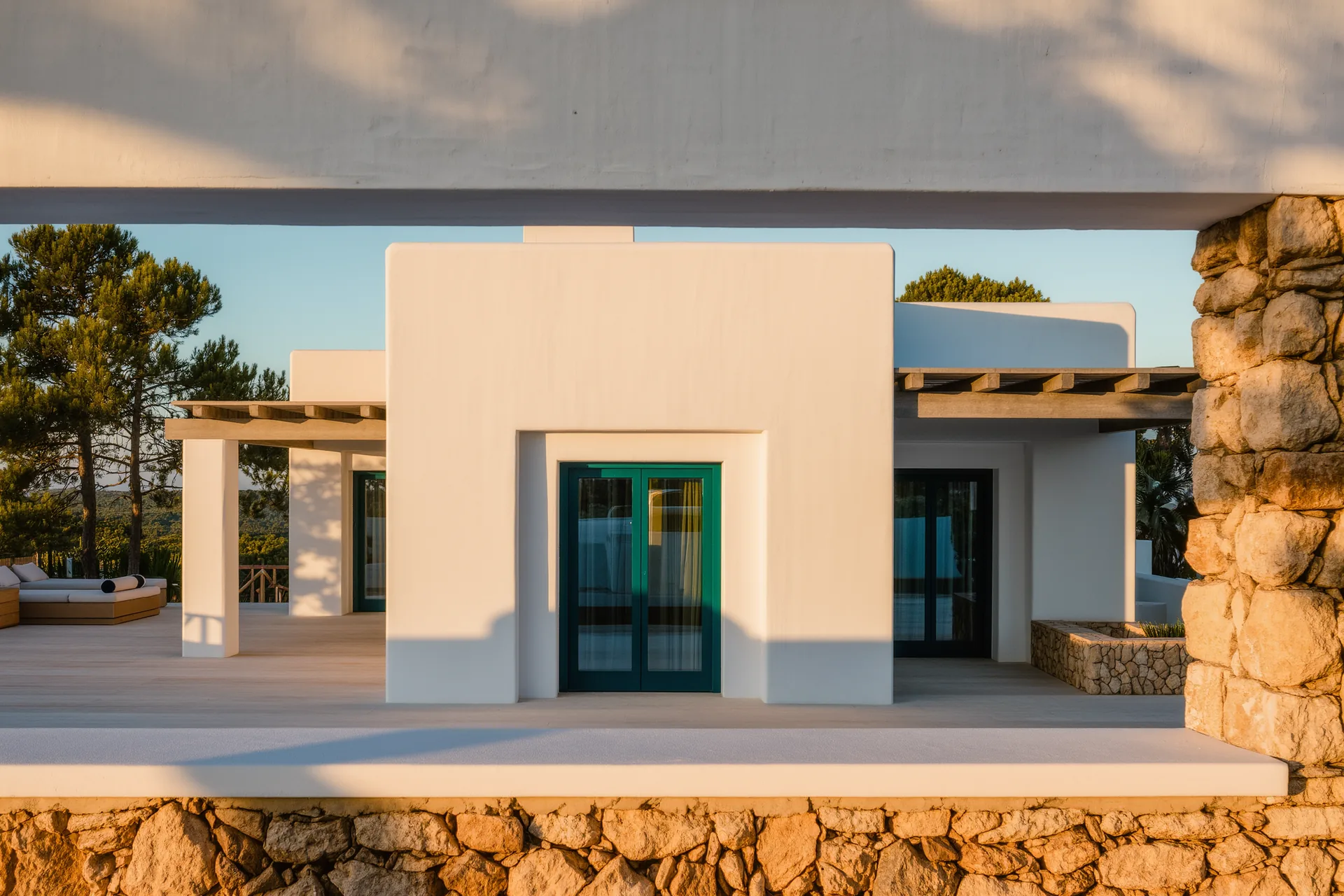
Die Wichtigkeit von Außenbereichen: Gärten, Terrassen und Pools
Außenbereiche spielen eine entscheidende Rolle für die Lebensqualität der Menschen. Sie bieten nicht nur Raum für Erholung und Freizeitaktivitäten,……