Die Bedeutung der Gemeinschaftskosten in Wohnanlagen
Common area costs refer to the expenses associated with the maintenance and operation of shared spaces within a property, particularly in multi-unit……

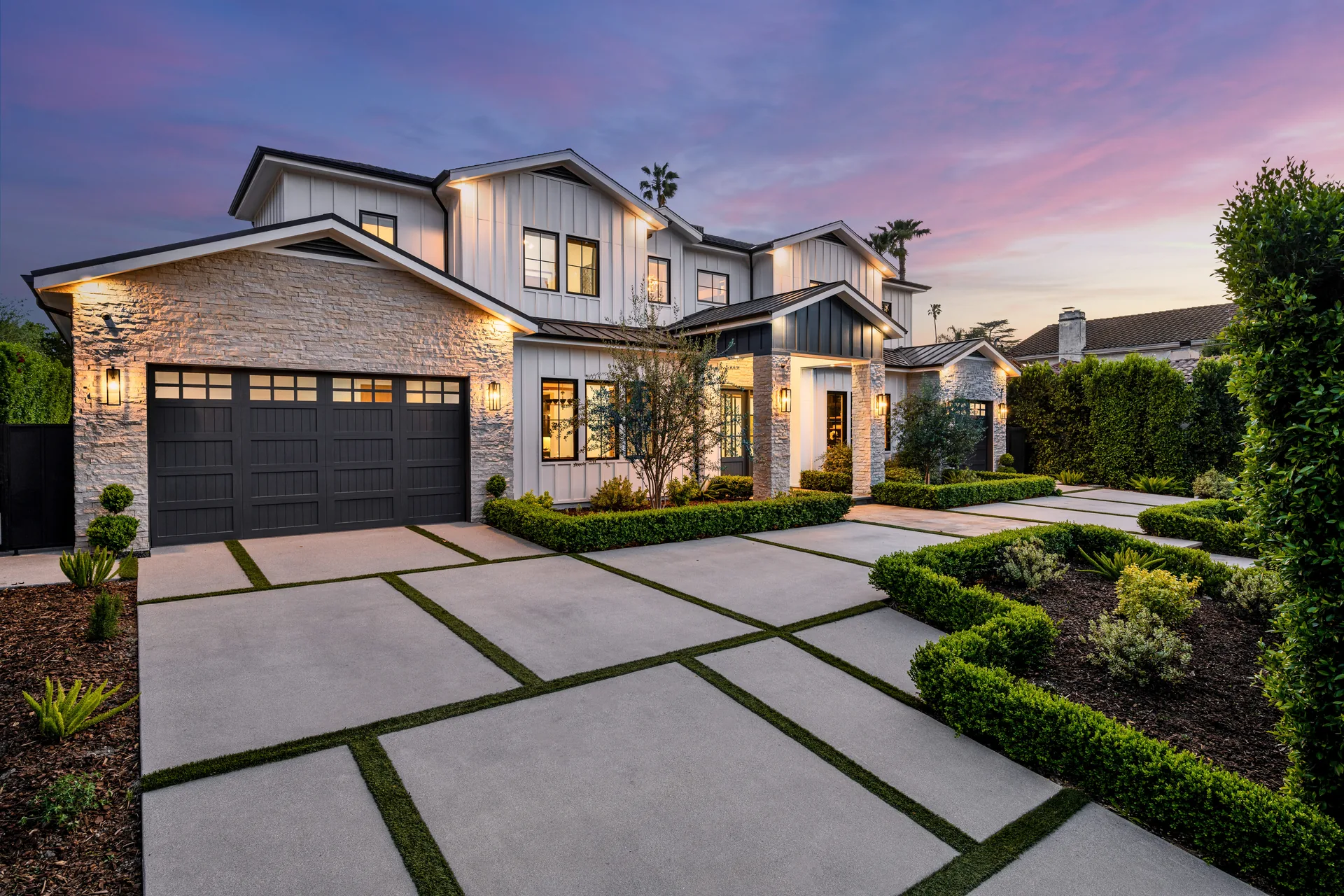
- Zu den Gemeinschaftskosten zählen Ausgaben für den Unterhalt gemeinsam genutzter Flächen einer Immobilie, etwa für Grünpflege, Sicherheit und Versorgungsleistungen.
- Gut gepflegte Gemeinschaftsflächen können den Immobilienwert steigern und potenzielle Käufer oder Mieter anziehen.
- Die regelmäßige Pflege von Gemeinschaftsflächen ist entscheidend, um ein positives Wohnumfeld zu schaffen und den Immobilienwert zu erhalten.
- Eine faire Aufteilung der Gemeinschaftskosten unter Eigentümern oder Mietern ist entscheidend, um Streitigkeiten zu vermeiden und Gerechtigkeit zu gewährleisten.
- Zu den Vorteilen gut gepflegter Gemeinschaftsflächen für die Gemeinschaft zählen mehr Sicherheit, ein gepflegtes Erscheinungsbild und eine insgesamt höhere Lebensqualität für die Bewohner.
Gemeinschaftskosten bezeichnen die Aufwendungen für Unterhalt und Betrieb gemeinsam genutzter Flächen einer Immobilie, besonders in Mehrfamilienhäusern, Eigentumswohnanlagen und geplanten Wohnquartieren. Diese Kosten umfassen ein breites Spektrum an Leistungen und Einrichtungen, von denen alle Bewohner profitieren, darunter Grünpflege, Reinigung, Sicherheit, Versorgung und Reparaturen. In einer Eigentumswohnanlage etwa können die Gemeinschaftskosten die Instandhaltung von Swimmingpool, Fitnessräumen, Parkplätzen und Fluren abdecken.
Das Verständnis dieser Kosten ist für Bewohner und Eigentümer gleichermaßen wichtig, da sie sich unmittelbar auf die monatlichen Gebühren und die gesamte Finanzplanung auswirken. Die Aufteilung der Gemeinschaftskosten kann je nach den maßgeblichen Dokumenten der Gemeinschaft, etwa der Gemeinschaftsordnung oder Teilungserklärung, erheblich variieren. Diese Dokumente legen in der Regel fest, wie die Kosten unter den Bewohnern aufgeteilt werden, oft nach der Größe der einzelnen Einheiten oder zu gleichen Teilen unter allen Eigentümern.
Diese Regelung soll sicherstellen, dass sich alle fair am Unterhalt der Gemeinschaftseinrichtungen beteiligen. Sie kann jedoch zu Streitigkeiten führen, wenn Bewohner das Gefühl haben, dass die Kosten nicht wirksam oder gerecht verwaltet werden. Ein klares Verständnis davon, was Gemeinschaftskosten umfassen und wie sie berechnet werden, ist daher entscheidend für ein harmonisches Wohnumfeld.
Auswirkungen auf den Immobilienwert
Die Verwaltung der Gemeinschaftskosten hat erhebliche Auswirkungen auf die Immobilienwerte innerhalb einer Wohnanlage. Gut gepflegte Gemeinschaftsflächen können die optische Wirkung einer Immobilie steigern und sie für potenzielle Käufer oder Mieter attraktiver machen. Ein gepflegter Garten oder ein sauberes, einladendes Foyer können beispielsweise einen positiven ersten Eindruck schaffen, der Kaufentscheidungen erheblich beeinflusst.
Vernachlässigte Gemeinschaftsflächen können hingegen den Immobilienwert mindern und zu geringerer Nachfrage und niedrigeren Verkaufspreisen führen. Dieser Zusammenhang unterstreicht, wie wichtig Investitionen in den Unterhalt der Gemeinschaftsflächen sind. Zudem kann auch die Wahrnehmung der Gemeinschaftskosten den Immobilienwert beeinflussen.
Wenn Bewohner das Gefühl haben, zu viel für unzureichende Leistungen oder schlecht gepflegte Einrichtungen zu zahlen, kann dies zu Unzufriedenheit und einer sinkenden Attraktivität der Immobilie führen. Ist der Swimmingpool einer Wohnanlage etwa häufig wegen Wartungsproblemen geschlossen, könnte dies potenzielle Käufer vom Erwerb einer Einheit in dieser Anlage abhalten. Eine wirksame Verwaltung der Gemeinschaftskosten erhält den Immobilienwert also nicht nur, sondern kann ihn im Lauf der Zeit auch steigern.
Die Bedeutung der Pflege von Gemeinschaftsflächen
Die Pflege von Gemeinschaftsflächen ist aus mehreren Gründen wichtig, darunter Sicherheit, äußeres Erscheinungsbild und Gemeinschaftsgefühl. Regelmäßige Pflege stellt sicher, dass die Gemeinschaftsflächen für alle Bewohner sicher sind. Die rechtzeitige Reparatur der Flurbeleuchtung oder die Ausbesserung unebener Beläge auf Parkplätzen kann beispielsweise Unfälle und Verletzungen verhindern.
Zudem tragen gut gepflegte Gemeinschaftsflächen zu einem Gefühl des Stolzes unter den Bewohnern bei und fördern eine positive Atmosphäre in der Gemeinschaft. Wer stolz auf sein Umfeld ist, tauscht sich eher mit Nachbarn aus und beteiligt sich an gemeinschaftlichen Aktivitäten. Der Unterhalt der Gemeinschaftsflächen kann zudem die allgemeine Lebensqualität innerhalb einer Wohnanlage erheblich beeinflussen.
Einrichtungen wie Parks, Pools und Freizeitanlagen bieten Bewohnern Gelegenheiten zur Erholung und zum sozialen Austausch. Sind diese Bereiche gut gepflegt, nutzen Bewohner sie eher häufiger, was einen gesunden Lebensstil fördert und den Zusammenhalt in der Gemeinschaft stärkt. Ein sauberer, einladender Spielplatz kann beispielsweise zu einem Treffpunkt für Familien werden, der Beziehungen zwischen Nachbarn fördert und ein Gefühl von Zugehörigkeit schafft.
Faire Kostenverteilung
Die faire Aufteilung der Gemeinschaftskosten ist entscheidend, um den Frieden innerhalb einer Wohnanlage zu wahren. Streitigkeiten entstehen häufig, wenn Bewohner das Gefühl haben, dass die Kostenverteilung ungerecht ist oder an Transparenz mangelt. Um dem entgegenzuwirken, sollten Eigentümergemeinschaften oder Hausverwaltungen klare, auf objektiven Kriterien beruhende Richtlinien für die Kostenverteilung festlegen.
Manche Wohnanlagen verteilen die Kosten beispielsweise nach Wohnfläche oder Anzahl der Bewohner je Einheit, sodass größere Einheiten mehr zu den Gemeinschaftskosten beitragen. Zudem können regelmäßige Überprüfungen der Verteilungsmethoden helfen, im Lauf der Zeit auftretende Bedenken zu klären. Die Einbindung der Bewohner in Diskussionen über Budgetentscheidungen fördert Transparenz und stärkt das gemeinsame Verantwortungsgefühl für finanzielle Angelegenheiten.
Jährliche Versammlungen, bei denen Bewohner ihre Meinung zu Budgetvorschlägen äußern können, ermöglichen beispielsweise einen offenen Austausch und können zu gerechteren Lösungen führen. Indem Wohnanlagen Fairness bei der Kostenverteilung priorisieren, lassen sich Spannungen verringern und ein kooperatives Wohnumfeld fördern.
Vorteile für die Gemeinschaft
Investitionen in Gemeinschaftsflächen bringen zahlreiche Vorteile für die gesamte Wohnanlage. Gut gepflegte Gemeinschaftsflächen steigern nicht nur den Immobilienwert, sondern verbessern auch die Lebensqualität der Bewohner. Ein gepflegter Garten oder Park kann beispielsweise als Ort für gemeinschaftliche Veranstaltungen wie Picknicks oder Filmabende im Freien dienen und den sozialen Austausch unter den Bewohnern fördern.
Solche Zusammenkünfte bieten Nachbarn die Gelegenheit, sich kennenzulernen und Beziehungen aufzubauen, was letztlich das Gemeinschaftsgefühl stärkt. Zudem können gut verwaltete Gemeinschaftsflächen neue Bewohner und Unternehmen in die Umgebung ziehen. Eine lebendige Wohnanlage mit attraktiven Einrichtungen weckt eher das Interesse potenzieller Käufer oder Mieter, die einen attraktiven Wohnort suchen.
Dieser Zuzug kann zu steigenden Immobilienwerten und wirtschaftlichem Wachstum in der Umgebung führen. Zudem können örtliche Unternehmen von der höheren Kundenfrequenz profitieren, die durch gemeinschaftliche Veranstaltungen auf den Gemeinschaftsflächen entsteht. Investitionen in Gemeinschaftsflächen verbessern also nicht nur das unmittelbare Wohnumfeld, sondern tragen auch zur wirtschaftlichen Dynamik der gesamten Umgebung bei.
Rechtliche und finanzielle Auswirkungen
Die Verwaltung der Gemeinschaftskosten hat erhebliche rechtliche und finanzielle Auswirkungen sowohl für Eigentümer als auch für Eigentümergemeinschaften. Rechtsverbindliche Dokumente wie die Gemeinschaftsordnung und die Teilungserklärung legen fest, wie die Kosten innerhalb der Wohnanlage verteilt und verwaltet werden. Werden diese Vorgaben nicht eingehalten, kann dies zu Streitigkeiten unter den Bewohnern oder sogar zu rechtlichen Schritten gegen die Eigentümergemeinschaft oder die Hausverwaltung führen.
Pflegt eine Eigentümergemeinschaft die Gemeinschaftsflächen etwa nicht wie in den maßgeblichen Dokumenten festgelegt, können Bewohner rechtliche Schritte in Erwägung ziehen. Finanziell kann eine mangelhafte Verwaltung der Gemeinschaftskosten zu Budgetlücken oder unerwarteten Sonderumlagen für die Bewohner führen. Kalkuliert eine Eigentümergemeinschaft die Ausgaben nicht genau oder legt keine ausreichenden Rücklagen für künftige Reparaturen und Instandhaltung zurück, muss sie möglicherweise Sonderumlagen erheben, um unerwartete Kosten zu decken.
Eine solche Situation kann Bewohner finanziell belasten und zu Unzufriedenheit innerhalb der Wohnanlage führen. Ein Verständnis des rechtlichen Rahmens rund um Gemeinschaftskosten ist daher entscheidend für eine wirksame Verwaltung und Finanzplanung.
Transparenz und Kommunikation
Transparenz und Kommunikation sind entscheidende Bausteine für die wirksame Verwaltung der Gemeinschaftskosten. Bewohner sollten über Budgetentscheidungen, anstehende Projekte und etwaige Änderungen bei der Kostenverteilung informiert werden. Regelmäßige Updates über Newsletter oder Versammlungen können das Vertrauen zwischen Bewohnern und Hausverwaltung stärken.
Detaillierte Kostenaufstellungen bei den Jahresversammlungen ermöglichen es Eigentümern beispielsweise nachzuvollziehen, wofür ihr Geld verwendet wird und warum bestimmte Entscheidungen getroffen werden. Zudem ermutigen offene Kommunikationswege Bewohner, ihre Anliegen oder Vorschläge zur Verwaltung der Gemeinschaftsflächen zu äußern. Feedback-Kanäle wie Vorschlagsboxen oder Online-Foren können Bewohnern helfen, sich aktiv an Entscheidungsprozessen zu beteiligen.
Wenn sich Bewohner gehört und wertgeschätzt fühlen, steigert dies die allgemeine Zufriedenheit und fördert eine kooperative Atmosphäre, in der alle gemeinsam auf gemeinsame Ziele hinarbeiten.
Wirksame Verwaltung und Budgetplanung
Eine wirksame Verwaltung und Budgetplanung sind entscheidend, damit die Gemeinschaftskosten effizient und transparent gehandhabt werden. Hausverwaltungen oder Eigentümergemeinschaften sollten umfassende Budgets aufstellen, die sowohl laufende Instandhaltung als auch langfristige größere Investitionen berücksichtigen. Dieser vorausschauende Ansatz hilft, unerwartete Ausgaben zu vermeiden und Mittel angemessen auf die verschiedenen Bedarfe zu verteilen.
Regelmäßige Finanzprüfungen sind wichtig, um die Ausgaben mit dem Budget abzugleichen und Bereiche zu erkennen, in denen Anpassungen nötig sein könnten. Übersteigen etwa die Kosten für die Grünpflege aufgrund unvorhergesehener Witterung oder Schädlingsbefalls die Planung, kann es nötig sein, Mittel aus anderen Budgetposten umzuschichten oder künftige Ausgabenpläne entsprechend anzupassen. Durch Flexibilität im Budget bei gleichzeitig solider Finanzpraxis können Wohnanlagen die Gemeinschaftskosten wirksam verwalten und Beeinträchtigungen für die Bewohner minimieren.
Zusammenfassend lässt sich sagen: Das Verständnis der Gemeinschaftskosten ist entscheidend für ein harmonisches Wohnumfeld in Mehrfamilienanlagen. Die Auswirkungen auf den Immobilienwert können kaum überschätzt werden: Gut gepflegte Gemeinschaftsflächen steigern die Attraktivität, während Vernachlässigung die Vermarktbarkeit mindern kann. Die Bedeutung der Pflege dieser Flächen geht über das äußere Erscheinungsbild hinaus und umfasst auch Sicherheit und Gemeinschaftsgefühl.
Eine faire Kostenverteilung sichert Gerechtigkeit unter den Bewohnern, während Transparenz durch wirksame Kommunikation Vertrauen innerhalb der Gemeinschaft schafft. Investitionen in Gemeinschaftsflächen bringen zahlreiche Vorteile, die über die einzelne Einheit hinausgehen: Sie steigern die allgemeine Lebensqualität und tragen positiv zur örtlichen Wirtschaft bei. Rechtliche Auswirkungen müssen jedoch sorgfältig zusammen mit solider Finanzpraxis berücksichtigt werden, um spätere Streitigkeiten oder unerwartete Sonderumlagen zu vermeiden.
Letztlich erfordert eine wirksame Verwaltung den fortlaufenden Austausch mit den Bewohnern, damit sie sich über Entscheidungen, die ihr Zuhause betreffen, informiert fühlen und aktiv an der Gestaltung der Zukunft ihrer Wohnanlage mitwirken können.
Mehr aus Mallorca
Die Bedeutung von Gemeinschaftseinrichtungen in Wohnanlagen
Community facilities in residential complexes serve as vital components that enhance the living experience for residents. These facilities can range……

Die Bedeutung von Nachhaltigkeit im modernen Wohnungsbau
Sustainability in modern housing has emerged as a critical focus in the face of escalating environmental challenges and the pressing need for……
Eine energieeffiziente Immobilie schaffen: Tipps und Tricks
Energy efficiency refers to the practice of using less energy to provide the same level of service or output. This concept is crucial in today's world…