Die Vorteile von Immobilien mit touristischer Vermietungslizenz
Investing in short-term rental properties has become an increasingly popular avenue for generating income, particularly in urban areas and tourist……


- Kurzzeitvermietungen können das Potenzial für Mieteinnahmen im Vergleich zu Langzeitmietverträgen erhöhen
- Die Einhaltung rechtlicher Vorschriften sorgt für Sicherheit und vermeidet mögliche rechtliche Probleme
- Kurzzeitvermietungen können mehr Touristen anziehen und die Auslastung erhöhen
- Kurzzeitvermietungen können aufgrund der gestiegenen Nachfrage zu einer Wertsteigerung der Immobilie führen
- Professionelle Hausverwaltungsdienste bieten Eigentümern Fachwissen und Komfort
Die Investition in Kurzzeitvermietung ist ein zunehmend beliebter Weg zur Einkommenserzielung geworden, besonders in städtischen Gebieten und touristischen Hotspots. Das Potenzial für höhere Mieteinnahmen ist einer der überzeugendsten Gründe für Eigentümer, dieses Modell in Betracht zu ziehen. Anders als klassische Langzeitmietverträge, die Vermieter oft über längere Zeiträume an feste Mietpreise binden, erlaubt die Kurzzeitvermietung es Eigentümern, ihre Preise dynamisch an die Nachfrage anzupassen.
Während der touristischen Hochsaison oder bei lokalen Veranstaltungen können Eigentümer beispielsweise ihre Übernachtungspreise deutlich erhöhen und so vom Besucherzustrom profitieren. Diese Flexibilität kann im Vergleich zu klassischen Mietverhältnissen zu einer erheblichen Steigerung der gesamten Mieteinnahmen führen. Zudem hat der Aufstieg von Plattformen wie Airbnb und Vrbo das Einstellen von Immobilien zur Kurzzeitvermietung erleichtert, wodurch dies für einen breiteren Kreis von Eigentümern zugänglich geworden ist.
Diese Plattformen bieten Werkzeuge zur Festlegung wettbewerbsfähiger Preise, zur Verwaltung von Buchungen und zur Kommunikation mit Gästen, was das gesamte Vermietungserlebnis verbessern kann. Eine Immobilie, die bei einem klassischen Mietvertrag beispielsweise für $1,500 pro Monat vermietet werden könnte, kann durch Kurzzeitvermietung je nach Auslastung und saisonaler Nachfrage potenziell $3,000 oder mehr im Monat erzielen. Dieses erhebliche Einnahmepotenzial ist eine treibende Kraft hinter dem wachsenden Interesse an Investitionen in Kurzzeitvermietungen.
Rechtskonformität und Sicherheit
Der rechtliche Rahmen für Kurzzeitvermietungen kann komplex wirken, doch das Verständnis und die Einhaltung der örtlichen Vorschriften sind für Eigentümer von großer Bedeutung. Viele Städte haben spezifische Gesetze für Kurzzeitvermietungen erlassen, um Sicherheit, Verantwortlichkeit und einen fairen Wettbewerb mit Hotels zu gewährleisten. Die Einhaltung dieser Vorschriften bewahrt Eigentümer nicht nur vor empfindlichen Bußgeldern, sondern gibt ihnen auch die Gewissheit, im Rahmen der geltenden Gesetze zu handeln.
Das Einholen der erforderlichen Genehmigungen und Lizenzen kann beispielsweise dazu beitragen, Vertrauen bei Gästen und Behörden gleichermaßen aufzubauen. Zudem verlangen viele Gemeinden von Vermietern die Einhaltung von Sicherheitsstandards, etwa die Installation von Rauchmeldern und die Bereitstellung von Notfallkontakten. Die Erfüllung dieser Anforderungen erhöht die Sicherheit der Gäste und schützt zugleich die eigene Investition.
Diese Rechtskonformität schafft Vertrauen zwischen Vermietern und Gästen, was in der Gastgewerbebranche von zentraler Bedeutung ist. Fühlen sich Gäste in ihrer Unterkunft sicher, hinterlassen sie eher positive Bewertungen und kehren für weitere Aufenthalte zurück, was den Ruf des Eigentümers auf dem Markt zusätzlich festigt.
Mehr Touristen anziehen
Der Reiz von Kurzzeitvermietungen geht über finanzielle Vorteile hinaus: Sie spielen auch eine bedeutende Rolle dabei, Touristen für ein Reiseziel zu gewinnen. Reisende suchen zunehmend nach einzigartigen und authentischen Erlebnissen, die klassische Hotels oft nicht bieten können. Kurzzeitvermietungen bieten häufig unverwechselbare Unterkünfte, die die lokale Kultur und Lebensart widerspiegeln, wodurch sie für Besucher, die eine echte Verbindung zu ihrem Reiseziel suchen, besonders attraktiv sind.
Ein charmantes Cottage in einem historischen Viertel oder ein modernes Loft im Stadtzentrum kann Reisenden beispielsweise ein intensives Erlebnis bieten, das ihren Aufenthalt bereichert. Zudem können Kurzzeitvermietungen unterschiedlichste Zielgruppen ansprechen, von Familien, die geräumige Unterkünfte suchen, bis hin zu Alleinreisenden, die preisgünstige Optionen bevorzugen. Diese Vielfalt ermöglicht es Eigentümern, verschiedene Segmente des Tourismusmarktes zu erschließen.
Durch wirksames Marketing und die Hervorhebung besonderer Merkmale, etwa die Nähe zu lokalen Sehenswürdigkeiten oder eine markante Architektur, können Eigentümer ein breiteres Spektrum an Touristen ansprechen.
Dieser Besucherzustrom kommt nicht nur einzelnen Eigentümern zugute, sondern stärkt auch die lokale Wirtschaft, indem er nahe gelegene Betriebe wie Restaurants, Geschäfte und Freizeiteinrichtungen unterstützt.
Wertsteigerung der Immobilie
Investitionen in Immobilien zur Kurzzeitvermietung können im Laufe der Zeit auch zu einer deutlichen Wertsteigerung führen. Da die Nachfrage nach kurzfristigen Unterkünften weiter steigt, ist bei Immobilien in gefragten Lagen tendenziell mit einer Erhöhung des Marktwerts zu rechnen. Diese Wertsteigerung lässt sich auf mehrere Faktoren zurückführen, darunter Lage, Ausstattung und der allgemeine Zustand der Immobilie.
Eine gut instand gehaltene Immobilie in einer gefragten Nachbarschaft kann beispielsweise schneller an Wert gewinnen als vergleichbare Immobilien in weniger gefragten Gebieten. Zudem investieren Eigentümer, die ihre Kurzzeitvermietung aktiv verwalten, häufig in Modernisierungen und Renovierungen, um das Gästeerlebnis zu verbessern. Diese Verbesserungen steigern nicht nur das Potenzial für Mieteinnahmen, sondern tragen auch langfristig zur Wertsteigerung bei.
Das Nachrüsten moderner Geräte, die Modernisierung von Badezimmern oder die Aufwertung von Außenbereichen kann eine Immobilie beispielsweise für künftige Käufer attraktiver machen. Mit der Weiterentwicklung des Immobilienmarktes erzielen gut gepflegte und modernisierte Immobilien beim Verkauf in der Regel höhere Preise.
Zugang zu professionellen Hausverwaltungsdiensten
Die Verwaltung einer Kurzzeitvermietung kann zeitaufwendig und komplex sein, besonders für Eigentümer ohne Vorerfahrung im Gastgewerbe oder in der Hausverwaltung. Viele Eigentümer nehmen daher die Unterstützung professioneller Hausverwaltungsdienste in Anspruch, die auf Kurzzeitvermietungen spezialisiert sind. Diese Unternehmen bieten eine Reihe von Leistungen an, die Abläufe optimieren und die Rentabilität steigern sollen.
Von der Vermarktung der Immobilie über die Buchungsabwicklung bis hin zur Gästekommunikation und Koordination der Reinigung kann eine professionelle Verwaltung einen Großteil des Aufwands abnehmen, der mit dem Betrieb einer Vermietung verbunden ist. Eine Hausverwaltungsgesellschaft kann beispielsweise moderne Technologien einsetzen, um Preisstrategien anhand von Markttrends und Auslastung zu optimieren. Zudem kann sie wertvolle Einblicke in die Vorlieben und das Verhalten der Gäste liefern, sodass Eigentümer ihr Angebot entsprechend anpassen können.
Durch die Nutzung dieser Leistungen können sich Eigentümer auf andere Bereiche ihres Lebens konzentrieren und dennoch von den finanziellen Vorteilen ihrer Investition profitieren. Zudem führt eine professionelle Verwaltung durch gleichbleibende Qualitätskontrolle und reaktionsschnellen Service häufig zu einer höheren Gästezufriedenheit.
Mögliche steuerliche Vorteile
Investitionen in Immobilien zur Kurzzeitvermietung können zudem verschiedene steuerliche Vorteile bieten, die die Gesamtrentabilität verbessern. Eigentümer können unter Umständen Betriebsausgaben wie Instandhaltungskosten, Nebenkosten, Versicherungsprämien und sogar Hypothekenzinsen steuerlich absetzen. Solche Abzüge können das zu versteuernde Einkommen erheblich senken, sodass Eigentümer mehr von ihren Vermietungseinnahmen behalten können.
Wird die Immobilie weniger als 15 Tage im Jahr vermietet, müssen die Mieteinnahmen nach bestimmten Steuervorschriften unter Umständen gar nicht angegeben werden. Zudem können Eigentümer, die ihre Kurzzeitvermietung aktiv verwalten, für geschäftsbezogene Steuerabzüge infrage kommen. Dazu können Ausgaben für Marketingmaßnahmen oder professionelle Dienstleistungen im Bereich Buchungsverwaltung und Gästekommunikation zählen.
Das Verständnis dieser möglichen steuerlichen Vorteile ist entscheidend, um die Rentabilität zu maximieren und die Einhaltung steuerlicher Vorschriften sicherzustellen. Die Beratung durch einen auf Immobilien spezialisierten Steuerexperten kann wertvolle Hinweise liefern, wie sich diese Möglichkeiten am besten nutzen lassen.
Flexibilität für die private Nutzung
Einer der besonderen Vorteile einer Immobilie zur Kurzzeitvermietung ist die Flexibilität für die private Nutzung. Eigentümer können selbst entscheiden, wann sie die Immobilie nutzen möchten, und erzielen in der übrigen Zeit weiterhin Einnahmen. Dies ermöglicht es Einzelpersonen oder Familien, Urlaub im eigenen Zuhause zu verbringen, ohne zusätzliche Übernachtungskosten zu tragen.
Eine Familie könnte beispielsweise ein Strandhaus als Kurzzeitvermietung erwerben, das sie während der Sommerferien selbst nutzt und in der Nebensaison vermietet. Diese doppelte Nutzung bringt nicht nur finanzielle Vorteile, sondern schafft auch bleibende Erinnerungen für Familien, die ihre Immobilie genießen können, ohne auf mögliche Einnahmen zu verzichten. Zudem behalten Eigentümer durch diese Flexibilität die Kontrolle über ihre Investition und profitieren zugleich von den persönlichen Vorzügen des Eigentums.
Ob es darum geht, Freunde und Familie zu empfangen oder selbst eine Auszeit zu genießen: Eigentümer können die Nutzung ganz nach ihren eigenen Vorstellungen gestalten.
Erweiterte Marketingmöglichkeiten
Im heutigen digitalen Zeitalter gibt es mehr Marketingmöglichkeiten für Kurzzeitvermietungen als je zuvor. Eigentümern stehen verschiedene Online-Plattformen zur Verfügung, mit denen sie ihre Immobilien wirkungsvoll präsentieren und potenzielle Gäste weltweit erreichen können. Hochwertige Fotografie, ansprechende Beschreibungen und eine durchdachte Preisstrategie sind wesentliche Bestandteile erfolgreicher Marketingmaßnahmen, die Auslastung und Mieteinnahmen deutlich beeinflussen können.
Zudem bieten Social-Media-Plattformen zusätzliche Möglichkeiten, Kurzzeitvermietungen über klassische Vermietungsportale hinaus zu bewerben. Eigentümer können eigene Seiten oder Profile einrichten, um ihre Immobilien zu präsentieren und lokale Sehenswürdigkeiten und Erlebnisse vorzustellen, die für potenzielle Gäste interessant sind. Der Austausch mit früheren Gästen über soziale Medien kann zudem die Kundenbindung stärken und wiederkehrende Buchungen fördern.
Durch die Nutzung dieser erweiterten Marketingmöglichkeiten können sich Eigentümer von Wettbewerbern abheben und sich im stetig wandelnden Markt für Kurzzeitvermietungen erfolgreich positionieren. Zusammenfassend lässt sich sagen, dass Investitionen in Immobilien zur Kurzzeitvermietung zahlreiche Vorteile bieten, die über den reinen finanziellen Gewinn hinausgehen. Von höherem Mieteinnahmepotenzial über Rechtssicherheit bis hin zur Anziehung von Touristen und einer Wertsteigerung der Immobilie sind die Vorteile vielfältig.
Der Zugang zu professionellen Verwaltungsdiensten und die Nutzung möglicher steuerlicher Vorteile stärken die Attraktivität dieser Investitionsstrategie zusätzlich, während Flexibilität für die private Nutzung und erweiterte Marketingmöglichkeiten unterschiedlichste Zielgruppen ansprechen. Da sich die Reisebranche stetig weiterentwickelt, bleiben Kurzzeitvermietungen sowohl für erfahrene Investoren als auch für Neueinsteiger eine attraktive Option.
Mehr aus Mallorca

Die Rolle von Versicherungen für Immobilieneigentümer
Property insurance serves as a critical safety net for homeowners, landlords, and businesses alike. It provides financial protection against a myriad……

Lohnt sich eine Investition in Immobilien auf Mallorca?
Mallorca, the largest of the Balearic Islands, has long been a coveted destination for those seeking a blend of natural beauty, cultural richness, and…
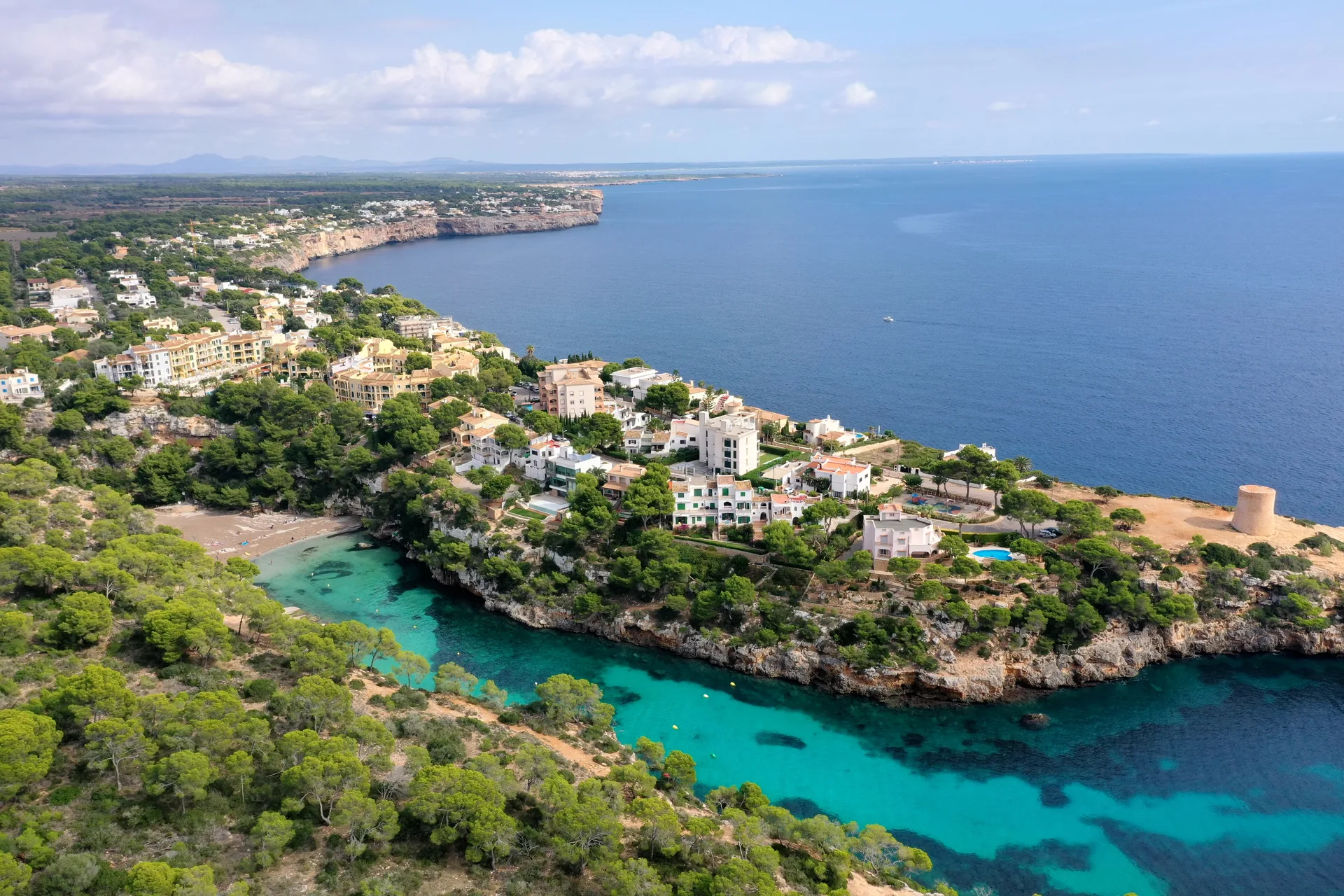
Ihre Einnahmen mit Ferienvermietung auf Mallorca maximieren
Mallorca, the largest of the Balearic Islands, has long been a favored destination for tourists seeking sun, sea, and a rich cultural experience. The……