Südwesten oder Nordosten: Welche Region auf Mallorca passt zu Ihnen?
Mallorca, the largest of the Balearic Islands, is a Mediterranean paradise that has captivated travelers for centuries. Known for its stunning……

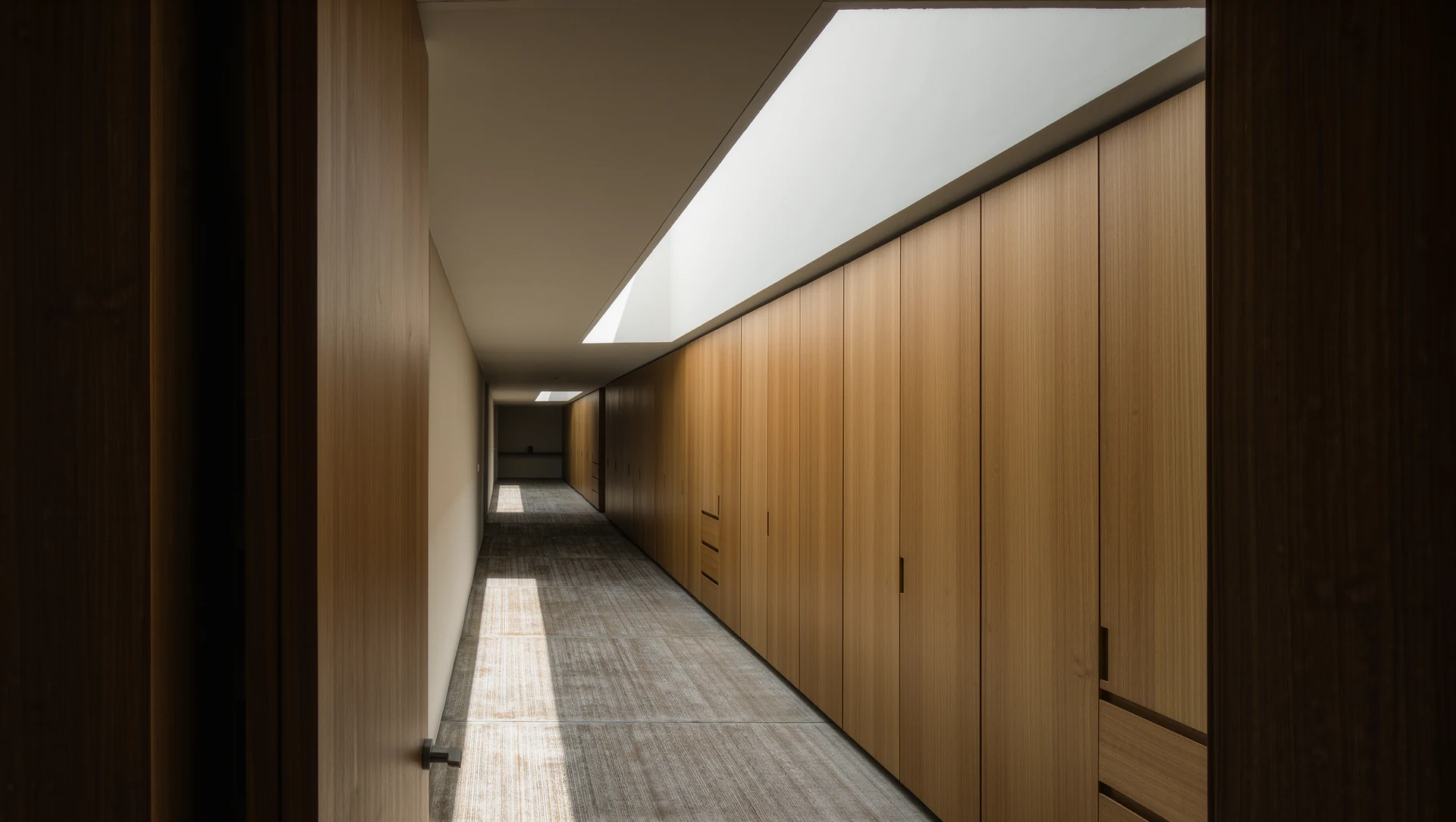
- Mallorca ist ein beliebtes Reiseziel, bekannt für seine beeindruckenden Strände, seine reiche Geschichte und seine lebendige Kultur.
- Der Südwesten Mallorcas verfügt über ein mediterranes Klima mit heißen, trockenen Sommern und milden Wintern, ideal für Strandliebhaber und Naturfreunde.
- Zu den Sehenswürdigkeiten im Südwesten Mallorcas zählen das malerische Städtchen Port d'Andratx, die beeindruckenden Strände von Cala Llamp und das historische Bellver-Schloss.
- Der Nordosten Mallorcas bietet eine vielfältigere Landschaft mit schroffen Bergen und fruchtbaren Ebenen und lädt zu Aktivitäten wie Wandern, Radfahren und der Erkundung charmanter Dörfer ein.
- Die Lebenshaltungskosten im Südwesten Mallorcas sind in der Regel höher als im Nordosten, weshalb es wichtig ist, bei der Wahl der Wohnregion Lebensstil und Budget zu berücksichtigen.
Mallorca, die größte der Balearen-Inseln, ist ein mediterranes Paradies, das Reisende seit Jahrhunderten in seinen Bann zieht. Bekannt für ihre beeindruckenden Landschaften, ihre reiche Geschichte und ihre lebendige Kultur, bietet Mallorca eine einzigartige Verbindung aus Naturschönheit und urbaner Kultiviertheit.
Die Insel zeichnet sich durch ihre vielfältige Geografie aus, die von schroffen Bergen bis zu ruhigen Stränden reicht, und ist damit ein ideales Ziel für unterschiedlichste Aktivitäten.
Mit rund 900,000 Einwohnern ist Mallorca nicht nur ein touristischer Anziehungspunkt, sondern auch eine lebendige Gemeinschaft mit einem reichen Geflecht aus Traditionen und modernen Einflüssen. Die Anziehungskraft der Insel geht über ihre malerische Landschaft hinaus. Mallorca verfügt über eine kulinarische Szene, die ihr kulturelles Erbe widerspiegelt, mit einer Vielzahl lokaler Gerichte, die frische Zutaten und traditionelle Zubereitungsmethoden hervorheben.
Von den geschäftigen Märkten Palmas bis zu den beschaulichen Dörfern in der Landschaft können Besucher in die gastronomischen Genüsse der Insel eintauchen.
Darüber hinaus geben die historischen Stätten Mallorcas, etwa alte Burgen und charmante Kirchen, Einblick in ihre bewegte Vergangenheit.
Im Folgenden werfen wir einen genaueren Blick auf die unterschiedlichen Regionen im Südwesten und Nordosten Mallorcas und beleuchten die einzigartigen Merkmale, die jedes Gebiet prägen, und was sie Bewohnern wie Besuchern gleichermaßen bieten.
Klima und Geografie des Südwestens von Mallorca
Der Südwesten Mallorcas ist bekannt für sein mildes mediterranes Klima mit heißen Sommern und milden Wintern. Die Region verzeichnet im Durchschnitt 300 Sonnentage im Jahr, was sie zu einem attraktiven Ziel für Sonnenhungrige macht. In den Sommermonaten, besonders von Juni bis September, steigen die Temperaturen auf hohe 30 Grad Celsius (über 100°F), während die Winter angenehm kühl bleiben, mit Durchschnittstemperaturen zwischen 10°C und 15°C (50°F bis 59°F).
Dieses günstige Klima ermöglicht Aktivitäten im Freien das ganze Jahr über, vom Wandern im Tramuntana-Gebirge bis zum Entspannen an den Sandstränden. Geografisch ist der Südwesten Mallorcas von seiner dramatischen Küstenlinie mit beeindruckenden Klippen und abgelegenen Buchten geprägt. Das Gebiet beherbergt einige der berühmtesten Strände der Insel, wie Playa de Palma und Cala Major, die sowohl Einheimische als auch Touristen anziehen.
Die Landschaft ist von charmanten Städten wie Andratx und Paguera durchsetzt, wo Besucher enge Gassen mit traditionellen Steinhäusern und leuchtender Bougainvillea erkunden können. Die Naturschönheit der Region wird durch die Nähe zur Sierra de Tramuntana ergänzt, einem UNESCO-Weltkulturerbe, das atemberaubende Ausblicke und zahlreiche Wanderwege bietet.
Sehenswürdigkeiten und Aktivitäten im Südwesten Mallorcas
Die Sehenswürdigkeiten im Südwesten Mallorcas sind ebenso vielfältig wie seine Landschaft. Eines der beliebtesten Ziele ist das malerische Städtchen Sóller, erreichbar mit einer historischen Holzbahn, die sich durch die Berge schlängelt. Sóller ist bekannt für seine Orangenhaine und seine beeindruckende Architektur, darunter die wunderschöne Kirche Sant Bartomeu.
Besucher können außerdem mit der Straßenbahn von Sóller zum nahegelegenen Port de Sóller fahren, wo sie frische Meeresfrüchte in Restaurants am Wasser genießen oder am Strand entspannen können. Für Abenteuerlustige bietet der Südwesten Mallorcas eine Fülle an Aktivitäten im Freien. Die Region ist ein Paradies für Wassersportbegeisterte, mit Möglichkeiten zum Segeln, Kajakfahren und Schnorcheln in kristallklarem Wasser.
Die nahegelegenen Strände bieten ideale Bedingungen für Windsurfen und Stand-up-Paddling. Darüber hinaus lädt das bergige Gelände Wanderer und Radfahrer ein, seine landschaftlich reizvollen Wege zu erkunden. Der Fernwanderweg GR221 durchquert das Tramuntana-Gebirge und bietet atemberaubende Ausblicke sowie die Gelegenheit, die Naturschönheit der Insel aus nächster Nähe zu erleben.
Klima und Geografie des Nordostens von Mallorca
Im Gegensatz zum Südwesten weist der Nordosten Mallorcas ein anderes Klima- und Landschaftsprofil auf. Diese Region erlebt aufgrund ihrer Höhenlage und der Nähe zum Tramuntana-Gebirge etwas kühlere Temperaturen. Die Sommer sind warm, aber nicht so heiß wie im Südwesten, mit durchschnittlichen Höchstwerten um 30°C (86°F), während die Winter kühler ausfallen können, mit gelegentlichen Temperaturen unter 10°C (50°F).
In den Herbstmonaten fällt in dieser Region häufiger Regen, was zu üppiger Vegetation und fruchtbarem Ackerland beiträgt. Die Geografie des Nordostens von Mallorca ist geprägt von sanften Hügeln, fruchtbaren Ebenen und beeindruckenden Küstenklippen. Das Gebiet beherbergt mehrere charmante Städte wie Artà und Capdepera, bekannt für ihre historische Bedeutung und traditionelle Architektur.
Die Küste bietet schöne Strände wie Cala Ratjada und Cala Mesquida, die weniger überlaufen sind als jene im Südwesten, aber ebenso beeindruckend. Die Naturparks dieser Region, etwa der Parc Natural de Llevant, bieten Gelegenheiten zum Wandern und zur Tierbeobachtung inmitten vielfältiger Ökosysteme.
Sehenswürdigkeiten und Aktivitäten im Nordosten Mallorcas
Der Nordosten Mallorcas ist reich an kulturellem Erbe und bietet vielfältige Sehenswürdigkeiten für unterschiedliche Interessen. Eines der Highlights ist die historische Burg von Capdepera, die bis ins 13. Jahrhundert zurückreicht. Besucher können ihre gut erhaltenen Mauern erkunden und einen Panoramablick auf die umliegende Landschaft und Küste genießen.
Artà ist ein weiteres Juwel dieser Region, bekannt für seinen lebendigen Markt, der jeden Dienstag stattfindet und auf dem Einheimische frische Erzeugnisse, Handwerk und traditionelle Waren verkaufen. Auch Naturliebhaber finden im Nordosten Mallorcas viel zu entdecken. Die Naturparks der Region bieten reichlich Gelegenheit zum Wandern und zur Erkundung vielfältiger Landschaften.
Die Küstenwege bieten atemberaubende Ausblicke auf das Mittelmeer und eignen sich perfekt für gemütliche Spaziergänge oder anspruchsvollere Wanderungen. Darüber hinaus sind Wassersportarten wie Schnorcheln und Tauchen in dieser Gegend aufgrund des klaren Wassers und der reichen Meeresfauna beliebt. Die Strände sind oft weniger überlaufen als im Südwesten, was ein ruhigeres Erlebnis ermöglicht.
Vergleich der Lebenshaltungskosten im Südwesten und Nordosten Mallorcas
Bei einem Umzug oder längeren Aufenthalt auf Mallorca ist es entscheidend, die Lebenshaltungskosten in den verschiedenen Regionen zu kennen. Der Südwesten Mallorcas ist aufgrund seiner Beliebtheit bei Touristen und Expatriates in der Regel teurer als der Nordosten. Gebiete wie Palma de Mallorca und Puerto Andratx sind bekannt für ihre gehobenen Immobilien und Annehmlichkeiten, die die Wohnkosten deutlich in die Höhe treiben können.
Die Mietpreise in diesen Gebieten können deutlich höher sein als in Städten im Nordosten. Der Nordosten Mallorcas bietet dagegen erschwinglichere Wohnmöglichkeiten, ohne dabei an Lebensqualität einzubüßen. Städte wie Artà und Capdepera bieten charmante Unterkünfte zu niedrigeren Preisen im Vergleich zu ihren südwestlichen Pendants.
Auch die Lebensmittelpreise können variieren: Beide Regionen bieten frische lokale Erzeugnisse, doch die Märkte im Nordosten haben aufgrund geringerer touristischer Nachfrage oft niedrigere Preise. Es ist jedoch wichtig zu bedenken, dass der Zugang zu bestimmten Einrichtungen oder Dienstleistungen im Nordosten trotz niedrigerer Lebenshaltungskosten im Vergleich zum geschäftigen Südwesten eingeschränkter sein kann.
Die richtige Region für den eigenen Lebensstil wählen
Die Entscheidung zwischen dem Südwesten und dem Nordosten Mallorcas hängt letztlich von individuellen Lebensstilpräferenzen und Prioritäten ab. Für alle, die in lebendigen städtischen Umgebungen mit einer Fülle an Restaurants, Nachtleben und kulturellen Veranstaltungen aufblühen, dürfte der Südwesten Mallorcas reizvoller sein. Die geschäftigen Städte der Region bieten eine lebendige Atmosphäre, in der man leicht mit Einheimischen wie mit anderen Expatriates in Kontakt kommt.
Sind hingegen Ruhe und ein langsameres Lebenstempo wichtiger, bietet der Nordosten Mallorcas eine idyllische Umgebung. Diese Region eignet sich ideal für alle, die Natur, Geschichte und ein enges Gemeinschaftsgefühl schätzen. Mit seinen charmanten Dörfern und beeindruckenden Landschaften ermöglicht der Nordosten Mallorcas Bewohnern, Aktivitäten im Freien zu genießen und dabei zugleich mit lokalen Traditionen verbunden zu bleiben.
Fazit und abschließende Überlegungen
Die vielfältigen Regionen Mallorcas bieten für jeden etwas, ob man Abenteuer oder Entspannung sucht. Jedes Gebiet hat seinen eigenen Charme, geprägt von Geografie, Klima, Kultur und Lebensstiloptionen. Das Verständnis dieser Unterschiede kann potenziellen Bewohnern oder Besuchern helfen, fundierte Entscheidungen darüber zu treffen, wo sie ihre Zeit auf dieser wunderschönen Insel verbringen möchten.
Ob man sich für den lebendigen Südwesten oder den ruhigen Nordosten entscheidet: Mallorca verspricht ein bereicherndes Erlebnis voller unvergesslicher Erinnerungen inmitten atemberaubender Landschaften.
Mehr aus Mallorca
Tipps für ein effektives Immobilienexposé
Ein ansprechendes Immobilienexposé spielt eine entscheidende Rolle im Verkaufsprozess von Immobilien. Es fungiert nicht nur als Informationsquelle,……
Mallorcas Luxusmietobjekte: Der Immobilienmarkt
Der Immobilienmarkt auf Mallorca hat in den letzten zwei Jahrzehnten eine bemerkenswerte Transformation durchlaufen. Ursprünglich als Ziel für……
Entdecken Sie den lebendigen Immobilienmarkt in Palma de Mallorca
Palma de Mallorca, the vibrant capital of the Balearic Islands, is a city that seamlessly blends rich history with modern living.…