Pflege von Luxusimmobilien: Tipps für Wartung und Instandhaltung
Regular maintenance is a cornerstone of property management that cannot be overstated. It serves as a proactive approach to preserving the value and……

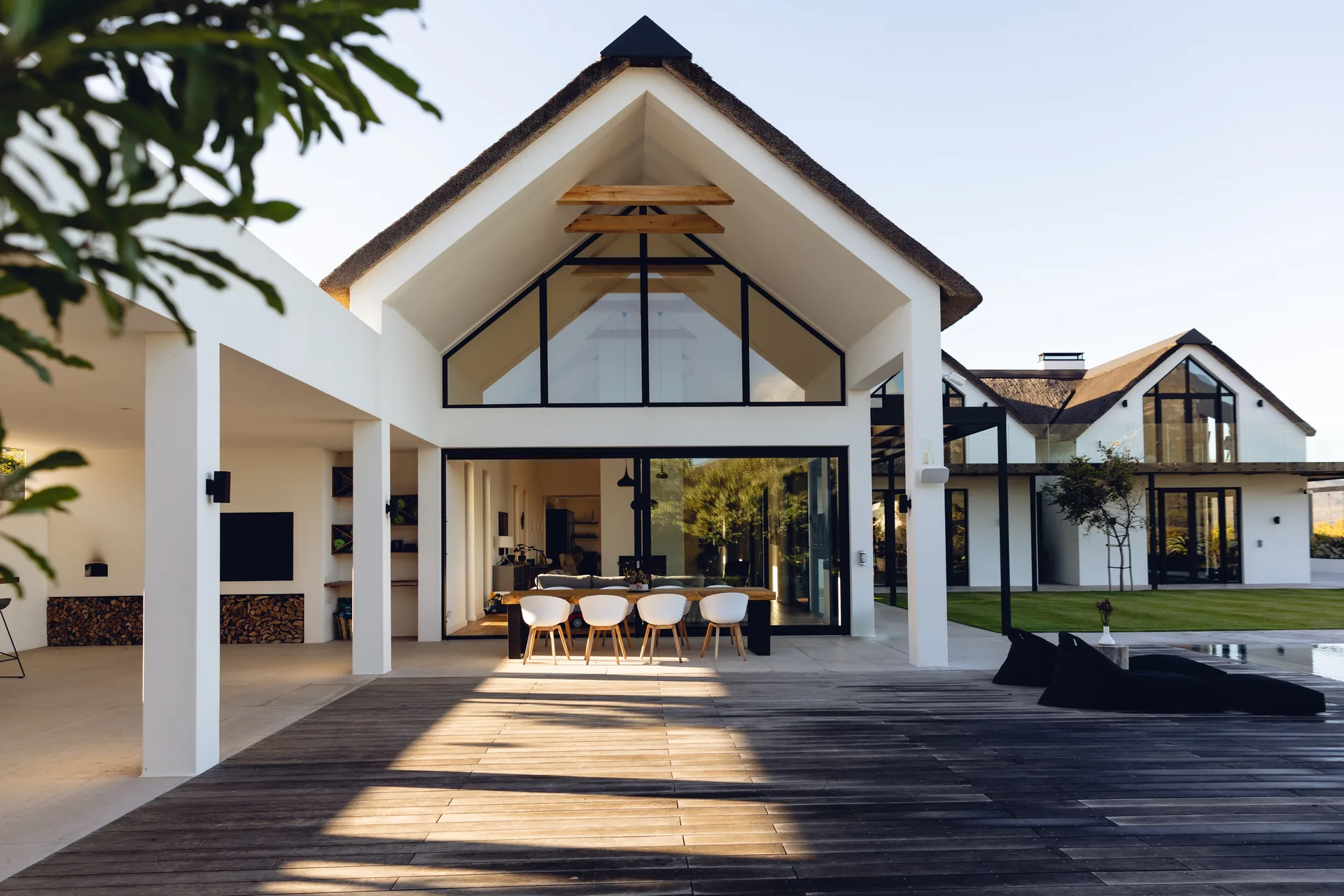
- Regelmäßige Instandhaltung ist entscheidend, um Wert und Funktionsfähigkeit einer Immobilie zu erhalten.
- Gartenpflege und Außeninstandhaltung steigern die äußere Wirkung und schaffen ein einladendes Umfeld.
- Innenpflege und Instandhaltung sorgen für ein komfortables und sicheres Wohnumfeld für Mieter.
- Schädlingsbekämpfung und Vorbeugung sind unerlässlich, um die Immobilie und ihre Bewohner zu schützen.
- Regelmäßige Besichtigungen und Reparaturen helfen, Probleme zu erkennen und zu beheben, bevor sie zu größeren Schwierigkeiten werden.
- Sicherheitsmaßnahmen sind wichtig, um die Immobilie und ihre Bewohner zu schützen.
- Maßnahmen für Energieeffizienz und Nachhaltigkeit können Kosten und Umweltauswirkungen verringern.
- Die Beauftragung einer professionellen Hausverwaltung kann sicherstellen, dass alle Instandhaltungsanforderungen effizient und wirksam erfüllt werden.
Regelmäßige Instandhaltung ist ein Eckpfeiler der Immobilienverwaltung, dessen Bedeutung kaum zu überschätzen ist. Sie ist ein vorausschauender Weg, den Wert und die Funktionsfähigkeit einer Immobilie zu erhalten, ob privat oder gewerblich genutzt. Durch regelmäßige Wartung können Eigentümer mögliche Probleme erkennen und beheben, bevor daraus kostspielige Reparaturen werden.
Ein kleines Leck im Dach kann beispielsweise zu erheblichen Wasserschäden führen, wenn es unbeachtet bleibt, was teure Reparaturen und mögliche Gesundheitsrisiken durch Schimmelbildung zur Folge haben kann. Regelmäßige Besichtigungen und Instandhaltung helfen, diese Risiken zu mindern und stellen sicher, dass Immobilien sicher und bewohnbar bleiben. Darüber hinaus trägt regelmäßige Instandhaltung zur Zufriedenheit und zum Verbleib der Mieter bei.
Eine gut instand gehaltene Immobilie steigert nicht nur die optische Wirkung, sondern stärkt auch das Zugehörigkeitsgefühl der Mieter. Sehen Mieter, dass ihr Wohn- oder Arbeitsumfeld gepflegt wird, verlängern sie ihre Mietverträge eher und empfehlen die Immobilie auch anderen weiter. Das kann zu geringerem Leerstand und höheren Einnahmen für Eigentümer führen.
Darüber hinaus kann eine Immobilie in gutem Zustand ihren Marktwert steigern und sie so langfristig zu einer attraktiveren Investition machen.
Gartenpflege und Außeninstandhaltung
Gartenpflege und Außeninstandhaltung spielen eine entscheidende Rolle dabei, eine einladende Atmosphäre für jede Immobilie zu schaffen. Das Äußere eines Gebäudes ist der erste Eindruck, den Besucher und potenzielle Mieter erhalten, weshalb es wichtig ist, Zeit und Mittel in dessen Pflege zu investieren. Regelmäßige Rasenpflege, einschließlich Mähen, Düngen und Belüften, sorgt dafür, dass das Grün üppig und gesund bleibt.
Darüber hinaus können saisonale Bepflanzungen Farbe und Lebendigkeit in die Landschaft bringen und die äußere Wirkung erheblich steigern. Saisonale Blumen etwa schaffen ein einladendes Umfeld, das sich mit den Jahreszeiten verändert und Aufmerksamkeit sowie Bewunderung weckt. Neben ästhetischen Aspekten umfasst die Außeninstandhaltung auch praktische Aufgaben wie Baumschnitt, Dachrinnenreinigung und Reparaturen der Einfahrt.
Überwucherte Bäume können sowohl für die Immobilie als auch für ihre Bewohner ein Risiko darstellen, besonders bei Stürmen, wenn Äste herabfallen können. Regelmäßiger Baumschnitt verhindert nicht nur mögliche Schäden, sondern fördert auch gesundes Wachstum. Ebenso können verstopfte Dachrinnen zu Wasserschäden und Problemen am Fundament führen, wenn sie nicht rechtzeitig behoben werden.
Indem Eigentümer für gut gepflegte Außenbereiche sorgen, schaffen sie ein sicheres und angenehmes Umfeld für Mieter und schützen zugleich ihre Investition.
Innenpflege und Instandhaltung
Innenpflege ist ebenso entscheidend, um die Substanz einer Immobilie zu bewahren. Dazu zählen laufende Aufgaben wie Streichen, Reparaturen des Bodenbelags und die Wartung von Geräten. Regelmäßiges Streichen frischt nicht nur die Optik eines Raums auf, sondern schützt auch die Wände vor Abnutzung.
Hochwertige Farbe kann beispielsweise Feuchtigkeitsschäden in Bereichen wie Küche und Bad verhindern, wo die Luftfeuchtigkeit höher ist. Darüber hinaus sorgt die Pflege von Bodenbelägen, ob Parkett, Teppich oder Fliesen, dafür, dass diese sicher und optisch ansprechend bleiben. Regelmäßige Reinigung und zeitnahe Reparatur von Schäden können die Lebensdauer von Bodenbelägen erheblich verlängern.
Ein weiterer wichtiger Aspekt der Innenpflege ist die Instandhaltung zentraler Systeme wie Heizung, Lüftung und Klimatisierung (HLK). Regelmäßige Wartung von HLK-Systemen kann die Energieeffizienz und die Raumluftqualität verbessern und unerwartete Ausfälle bei extremen Wetterbedingungen verhindern. Der regelmäßige Wechsel der Luftfilter etwa kann den Luftstrom verbessern und Allergene im Haus reduzieren.
Darüber hinaus kann die Behebung kleinerer Sanitärprobleme, etwa tropfender Wasserhähne oder laufender Toiletten, größere Probleme wie Wasserschäden oder höhere Nebenkosten verhindern.
Schädlingsbekämpfung und Vorbeugung
Schädlingsbekämpfung ist ein oft übersehener Aspekt der Immobilieninstandhaltung, der erhebliche Auswirkungen auf Gesundheit und Immobilienwert haben kann. Regelmäßige Schädlingskontrollen können helfen, mögliche Befälle zu erkennen, bevor sie sich ausweiten. Häufige Schädlinge wie Nagetiere, Termiten und Kakerlaken stellen nicht nur ein Gesundheitsrisiko dar, sondern können auch erhebliche Schäden an der Bausubstanz verursachen, wenn sie unbeachtet bleiben.
Termiten können beispielsweise die Statik von Holzkonstruktionen beeinträchtigen, was zu kostspieligen Reparaturen führt, die durch frühzeitiges Eingreifen vermeidbar gewesen wären. Vorbeugende Maßnahmen sind bei Strategien zur Schädlingsbekämpfung ebenso wichtig. Dazu zählen das Abdichten von Rissen und Spalten in Wänden, eine ordnungsgemäße Entwässerung rund um die Immobilie sowie Sauberkeit in Innen- und Außenbereichen.
Werden Lebensmittel beispielsweise in luftdichten Behältern aufbewahrt, hält das Schädlinge davon ab, in die Küche einzudringen. Darüber hinaus können Gartenpflegemaßnahmen wie das Zurückschneiden von Sträuchern in gebäudefernem Abstand Verstecke für Schädlinge verringern. Mit einem umfassenden Plan zur Schädlingsbekämpfung, der sowohl Kontrollen als auch vorbeugende Maßnahmen umfasst, können Eigentümer ihre Investition schützen und zugleich ein gesundes Wohnumfeld für Mieter gewährleisten.
Regelmäßige Besichtigungen und Reparaturen
Regelmäßige Besichtigungen sind eine wesentliche Praxis für eine wirksame Immobilienverwaltung. Sie ermöglichen es Eigentümern, den Zustand verschiedener Systeme und Bauteile im Gebäude zu bewerten und Bereiche zu erkennen, die Aufmerksamkeit benötigen, bevor daraus größere Probleme entstehen. Die Prüfung des Dachs auf fehlende Schindeln oder Verschleißanzeichen kann beispielsweise Lecks bei starkem Regen verhindern.
Ebenso kann die Prüfung von Sanitärsystemen auf Korrosion oder Lecks Wasserschäden und teure Reparaturen verhindern. Reparaturen sollten nach Besichtigungen zeitnah durchgeführt werden, um die Substanz der Immobilie zu erhalten. Verzögerte Reparaturen können im Laufe der Zeit zu größeren Schäden führen: Ein kleiner Riss im Fundament etwa kann bei Vernachlässigung zu statischen Problemen führen, die umfangreiche Sanierungen erfordern.
Ein fester Besichtigungsplan, ob vierteljährlich oder halbjährlich, kann helfen sicherzustellen, dass alle Aspekte der Immobilie kontinuierlich überwacht werden.
Dieser vorausschauende Ansatz bewahrt nicht nur den Wert der Immobilie, sondern steigert auch die Zufriedenheit der Mieter, indem er ein sicheres und gepflegtes Wohnumfeld bietet.
Sicherheitsmaßnahmen
Sicherheit ist für jeden Eigentümer oder jede Hausverwaltung von größter Bedeutung. Wirksame Sicherheitsmaßnahmen schützen sowohl Mieter als auch die Immobilie selbst vor möglichen Gefahren. Dazu gehört, dass im gesamten Gebäude Rauchmelder installiert sind und ordnungsgemäß funktionieren.
Die regelmäßige Prüfung dieser Geräte ist unerlässlich: Der jährliche Batteriewechsel oder der Austausch der Geräte alle zehn Jahre kann im Brandfall Leben retten. Neben Brandschutzmaßnahmen spielen auch Sicherheitssysteme eine entscheidende Rolle beim Schutz von Immobilien vor Diebstahl oder Vandalismus. Überwachungskameras, Bewegungsmelderleuchten und sichere Zugangssysteme können kriminelle Aktivitäten abschrecken und Mietern zugleich ein sicheres Gefühl geben.
Immobilien mit schlüssellosen Zugangssystemen erhöhen beispielsweise nicht nur die Sicherheit, sondern erleichtern auch den Zugang für Bewohner. Darüber hinaus kann die Aufklärung der Mieter über Sicherheitsprotokolle, etwa das Abschließen von Türen und das Melden verdächtiger Aktivitäten, einen gemeinschaftsorientierten Sicherheitsansatz fördern.
Energieeffizienz und Nachhaltigkeit
In der heutigen umweltbewussten Gesellschaft sind Energieeffizienz und Nachhaltigkeit zu entscheidenden Faktoren der Immobilienverwaltung geworden. Energieeffiziente Praktiken senken nicht nur die Nebenkosten, sondern tragen auch zum Umweltschutz bei. Einfache Maßnahmen wie der Einbau von LED-Beleuchtung oder energieeffizienten Geräten können den Energieverbrauch deutlich senken und Eigentümern langfristige Einsparungen bieten.
Nachhaltigkeit geht über Energieeffizienz hinaus: Sie umfasst auch Maßnahmen zur Wassereinsparung wie den Einbau wassersparender Armaturen oder Regenwassersammelsysteme.
Immobilien mit trockenheitsresistenter Gartengestaltung senken beispielsweise den Wasserverbrauch und bleiben dabei optisch ansprechend. Darüber hinaus fördert die Einführung von Recyclingprogrammen in Wohnanlagen die aktive Beteiligung der Mieter an nachhaltigen Praktiken.
Indem Eigentümer Energieeffizienz und Nachhaltigkeitsinitiativen priorisieren, steigern sie nicht nur die Vermarktbarkeit ihrer Immobilien, sondern leisten auch einen positiven Beitrag zur Umwelt.
Eine professionelle Hausverwaltung beauftragen
Viele Eigentümer versuchen zwar, ihre Immobilien eigenständig zu verwalten, doch die Beauftragung einer professionellen Hausverwaltung bietet zahlreiche Vorteile, die Abläufe vereinfachen und die Gesamteffizienz steigern. Professionelle Verwalter bringen Fachwissen in verschiedenen Bereichen der Instandhaltung mit, von der Mieterbetreuung bis zur Einhaltung rechtlicher Vorgaben. Ihre Erfahrung ermöglicht es ihnen, komplexe Vorschriften wirksam zu bewältigen und sicherzustellen, dass Immobilien alle erforderlichen Standards erfüllen.
Darüber hinaus verfügen professionelle Hausverwaltungen häufig über etablierte Netzwerke zuverlässiger Handwerker für Instandhaltung und Reparaturen. Dieser Zugang kann durch ausgehandelte Konditionen Kosten sparen und zugleich sicherstellen, dass hochwertige Arbeit zeitnah ausgeführt wird. Ist beispielsweise eine dringende Reparatur nötig, etwa bei einem Sanitärproblem, kann ein vertrauenswürdiger, jederzeit erreichbarer Handwerker Ausfallzeiten und Beeinträchtigungen für Mieter erheblich verringern.
Letztlich ermöglicht die Investition in eine professionelle Hausverwaltung Eigentümern, sich auf ihre Kernaufgaben zu konzentrieren, und stellt zugleich sicher, dass ihre Immobilien langfristig gut instand gehalten und rentabel bleiben.
Mehr aus Mallorca
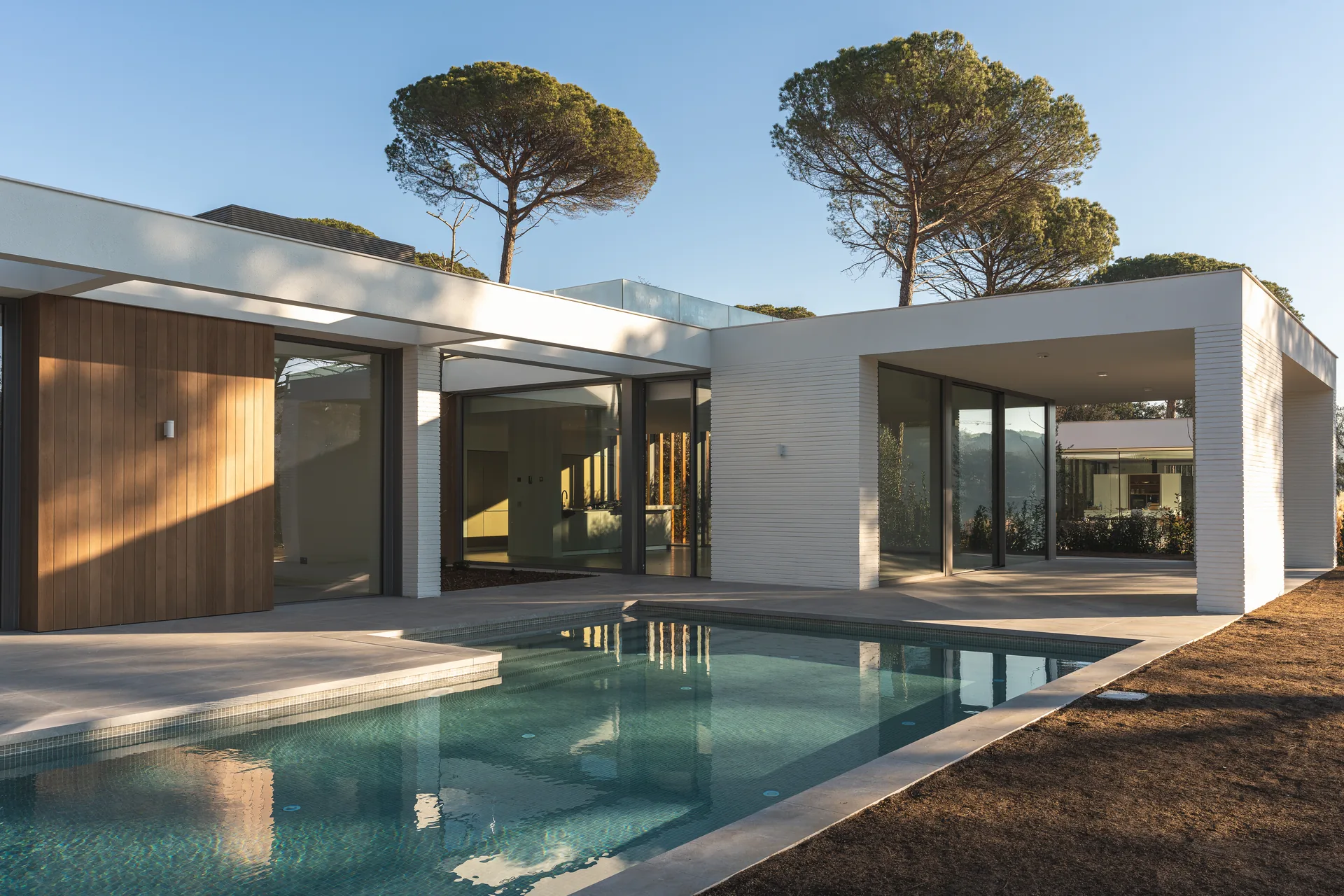
Luxusimmobilienmarkt auf Mallorca: Exklusive Landgüter und Immobilien
Mallorca, the largest of the Balearic Islands, has long been a coveted destination for affluent buyers seeking a blend of natural beauty, cultural……

Mallorcas Markt für Gewerbeimmobilien
Mallorca, the largest island in the Balearic archipelago, has long been a coveted destination for tourists and expatriates alike. Its stunning……
Die Rolle von Kundenbewertungen und Erfahrungsberichten in der Immobilienbranche
In the realm of real estate, customer reviews serve as a vital component of the decision-making process for potential buyers and sellers. The……