Rechtliche Aspekte: Was deutsche Käufer beim Immobilienkauf auf Mallorca wissen sollten
Mallorca, the largest island in the Balearic archipelago, has long been a coveted destination for property ownership, particularly among foreign……

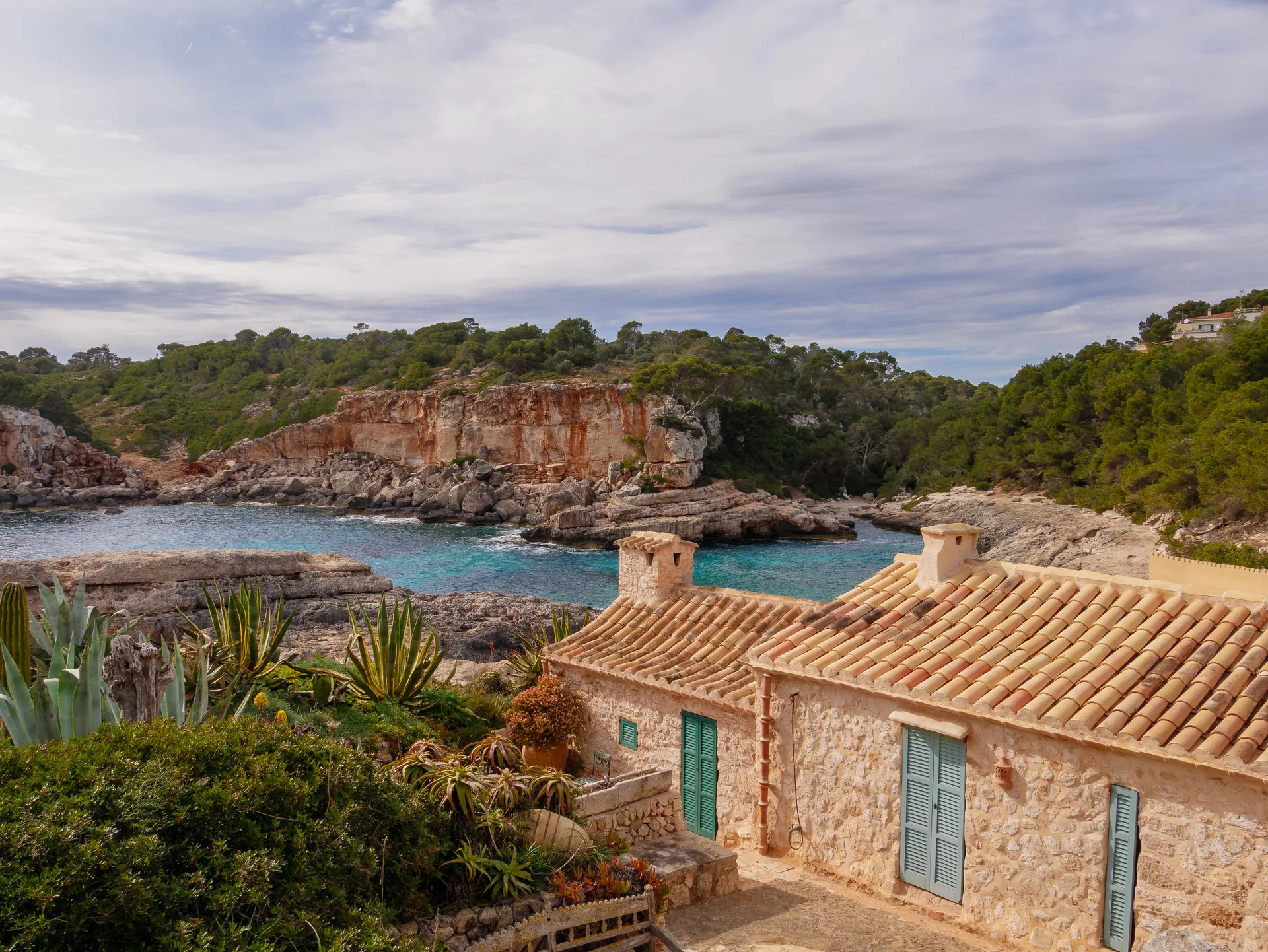
- Immobilieneigentum auf Mallorca bietet verschiedene Formen, darunter Volleigentum, Pachtbesitz und Miteigentumsanteile.
- Rechtliche Verfahren beim Immobilienkauf unterscheiden sich auf Mallorca erheblich von denen in Deutschland und erfordern gründliches Verständnis und Vorbereitung.
- Zu den Immobiliensteuern und Gebühren auf Mallorca zählen Übertragungssteuer, Stempelsteuer, Notargebühren und Grundbuchgebühren, die je nach Immobilienwert variieren.
- Ausländische Käufer auf Mallorca müssen eine spanische Steueridentifikationsnummer beantragen und die Vorschriften zur Geldwäscheprävention einhalten.
- Zu den möglichen Risiken für deutsche Käufer auf Mallorca zählen Sprachbarrieren, unbekannte rechtliche Verfahren und Unterschiede bei den Immobilienvorschriften.
Mallorca, die größte Insel des Balearen-Archipels, ist seit Langem ein begehrtes Ziel für Immobilieneigentum, insbesondere bei ausländischen Käufern. Die beeindruckenden Landschaften der Insel, das milde Klima und das reiche kulturelle Erbe machen sie zu einer attraktiven Option für alle, die einen Zweitwohnsitz oder eine Anlageimmobilie suchen. Der Immobilienmarkt auf Mallorca ist in den vergangenen Jahrzehnten deutlich gewachsen, mit einem vielfältigen Angebot an Objekten, von luxuriösen Villen mit Blick auf das Mittelmeer bis zu charmanten Wohnungen in historischen Städten.
Diese Anziehungskraft beschränkt sich nicht auf eine Nationalität: Käufer aus Deutschland, Großbritannien, Skandinavien und darüber hinaus fühlen sich vom einzigartigen Lebensstil der Insel und ihrem Investitionspotenzial angezogen. Der Erwerb von Immobilieneigentum auf Mallorca unterliegt spanischem Recht, das komplex und vielschichtig sein kann. Für Kaufinteressenten ist es unerlässlich, die Feinheiten dieses rechtlichen Rahmens zu verstehen.
Der Immobilienmarkt funktioniert nach einem System, das sowohl privates als auch öffentliches Eigentum umfasst, mit verschiedenen Objekttypen, die zum Kauf verfügbar sind. Käufer müssen eine Reihe rechtlicher Anforderungen und Verfahren durchlaufen, um einen reibungslosen Abschluss der Transaktion sicherzustellen. Dazu gehört das Verständnis der Auswirkungen der Immobilienregistrierung, der örtlichen Vorschriften sowie der Rechte und Pflichten, die mit dem Eigentum einhergehen.
Für deutsche Käufer ist es entscheidend, sich mit diesen Aspekten vertraut zu machen, um fundierte Entscheidungen treffen zu können.
Unterschiede in den rechtlichen Verfahren zwischen Deutschland und Mallorca
Die rechtlichen Verfahren beim Immobilienkauf in Deutschland unterscheiden sich erheblich von denen auf Mallorca, vor allem wegen der unterschiedlichen Rechtssysteme und Vorschriften, die Immobilientransaktionen an den jeweiligen Orten regeln. In Deutschland zeichnet sich der Prozess durch ein hohes Maß an Regulierung und Standardisierung aus. Immobilientransaktionen erfolgen in der Regel unter Einbeziehung eines Notars, der eine zentrale Rolle dabei spielt, sicherzustellen, dass alle rechtlichen Anforderungen erfüllt werden.
Der Notar ist dafür verantwortlich, den Kaufvertrag zu entwerfen, die Identität der beteiligten Parteien zu prüfen und sicherzustellen, dass die Transaktion dem deutschen Recht entspricht. Dieser strukturierte Ablauf bietet Käufern ein gewisses Maß an Sicherheit, da die Beteiligung des Notars hilft, die mit einem Immobilienkauf verbundenen Risiken zu verringern. Im Gegensatz dazu kann der rechtliche Prozess auf Mallorca weniger formalisiert sein, was für Käufer, die mit dem spanischen Recht nicht vertraut sind, eine Herausforderung darstellen kann.
Auch auf Mallorca sind Notare an Immobilientransaktionen beteiligt, ihre Rolle kann sich jedoch von der in Deutschland unterscheiden. In Spanien besteht die Hauptaufgabe des Notars vor allem darin, den Vertrag zu beglaubigen, statt eine umfassende Rechtsberatung zu leisten. Das bedeutet, dass Käufer eine größere Verantwortung dafür tragen müssen, die gebotene Sorgfaltsprüfung durchzuführen und sicherzustellen, dass alle Aspekte der Transaktion ordnungsgemäß berücksichtigt werden.
Darüber hinaus kann sich das Konzept der "Sorgfaltsprüfung" (Due Diligence) zwischen den beiden Ländern unterscheiden: Auf Mallorca ist es für Käufer unerlässlich, den rechtlichen Status der Immobilie gründlich zu prüfen, einschließlich etwaiger Belastungen oder offener Verbindlichkeiten.
Immobiliensteuern und Gebühren auf Mallorca verstehen
Beim Kauf einer Immobilie auf Mallorca ist es für Käufer entscheidend, die verschiedenen mit der Transaktion verbundenen Steuern und Gebühren zu verstehen. Eine der wichtigsten Steuern ist die Übertragungssteuer (Impuesto de Transmisiones Patrimoniales oder ITP), die auf den Kaufpreis der Immobilie erhoben wird. Der Satz variiert je nach Wert der Immobilie und kann zwischen 8% und 11% liegen.
Diese Steuer ist zum Zeitpunkt des Kaufs fällig und stellt einen erheblichen Kostenfaktor dar, den Käufer in ihre Budgetplanung einbeziehen müssen. Neben der Übertragungssteuer sollten Käufer auch weitere Gebühren im Blick behalten, die im Laufe des Kaufprozesses anfallen können. Dazu zählen Notargebühren, die sich in der Regel am Wert der Immobilie orientieren und zwischen 0.5% und 1% des Kaufpreises liegen können.
Auch Registrierungsgebühren für die Eintragung der Immobilie ins Grundbuch fallen an und bedeuten einen weiteren Kostenpunkt. Darüber hinaus sollten Käufer laufende Kosten wie die Grundsteuer (Impuesto sobre Bienes Inmuebles oder IBI) berücksichtigen, die jährlich auf Basis des Katasterwerts der Immobilie erhoben wird. Das Verständnis dieser finanziellen Verpflichtungen ist für Kaufinteressenten unerlässlich, um unerwartete Ausgaben zu vermeiden und für den Immobilienerwerb auf Mallorca vollständig vorbereitet zu sein.
Rechtliche Anforderungen für ausländische Käufer auf Mallorca
Ausländische Käufer, die eine Immobilie auf Mallorca erwerben möchten, müssen bestimmte rechtliche Anforderungen erfüllen, die Immobilientransaktionen in Spanien regeln.
Einer der ersten Schritte für Nichtansässige ist die Beantragung einer Ausländeridentifikationsnummer (Número de Identificación de Extranjero oder NIE).
Diese eindeutige Identifikationsnummer ist für sämtliche finanziellen Transaktionen in Spanien unerlässlich, einschließlich Immobilienkäufen.
Die Beantragung der NIE kann bei einer örtlichen Polizeidienststelle oder einem Konsulat erfolgen und erfordert in der Regel Unterlagen wie einen gültigen Reisepass und einen Wohnsitznachweis. Sobald ausländische Käufer ihre NIE erhalten haben, müssen sie sich auch weiterer rechtlicher Aspekte bewusst sein, die ihren Kauf betreffen können. So empfiehlt es sich beispielsweise, einen örtlichen, auf Immobilientransaktionen spezialisierten Anwalt hinzuzuziehen, um die Feinheiten des spanischen Rechts zu bewältigen.
Ein Anwalt kann bei der Sorgfaltsprüfung der Immobilie unterstützen und sicherstellen, dass keine offenen Verbindlichkeiten oder rechtlichen Probleme damit verbunden sind. Darüber hinaus sollten sich ausländische Käufer mit den örtlichen Vorschriften zum Immobilieneigentum vertraut machen, da je nach Staatsangehörigkeit oder Aufenthaltsstatus bestimmte Einschränkungen gelten können.
Mögliche Risiken und Fallstricke für deutsche Käufer auf Mallorca
Eine Investition in eine Immobilie auf Mallorca kann für deutsche Käufer eine attraktive Gelegenheit sein, dennoch ist es wichtig, mögliche Risiken und Fallstricke zu erkennen, die im Verlauf des Prozesses auftreten können. Ein wesentliches Anliegen betrifft die Rechtmäßigkeit der Immobilie: Manche Objekte weisen ungeklärte rechtliche Probleme auf oder entsprechen nicht den örtlichen Bebauungsvorschriften. Immobilien, die ohne die erforderlichen Genehmigungen errichtet wurden, können beispielsweise Abrissverfügungen oder Bußgelder der örtlichen Behörden nach sich ziehen.
Eine gründliche Sorgfaltsprüfung vor Abschluss eines Kaufs ist daher entscheidend, um spätere Komplikationen zu vermeiden. Ein weiteres Risiko betrifft finanzielle Aspekte, insbesondere Währungsschwankungen und Finanzierungsmöglichkeiten. Deutsche Käufer können Wechselkursschwankungen ausgesetzt sein, wenn sie ihren Kauf über eine an ihre Heimatwährung gekoppelte Finanzierung abwickeln.
Darüber hinaus kann die Finanzierungsbeschaffung in Spanien mit Herausforderungen verbunden sein: Kreditgeber legen mitunter andere Kriterien an als in Deutschland, was sich auf Bewilligungsquoten und Konditionen auswirken kann. Käufer sollten ihre finanzielle Situation sorgfältig prüfen und in Erwägung ziehen, Finanzberater hinzuzuziehen, die sowohl den deutschen als auch den spanischen Markt kennen, um diese Risiken wirksam zu verringern.
Die Bedeutung rechtlicher Vertretung und Sorgfaltsprüfung
Beim Immobilienkauf auf Mallorca eine rechtliche Vertretung hinzuzuziehen, ist nicht nur ratsam, sondern unerlässlich, um die eigene Investition abzusichern. Ein qualifizierter Anwalt, der auf spanisches Immobilienrecht spezialisiert ist, kann während des gesamten Kaufprozesses wertvolle Unterstützung bieten. Er kann helfen, komplexe rechtliche Anforderungen zu bewältigen, eine gründliche Sorgfaltsprüfung der Immobilie durchzuführen und die Einhaltung aller örtlichen Vorschriften sicherzustellen.
Diese Vertretung ist besonders wichtig für ausländische Käufer, die mit den spanischen Rechtspraktiken oder sprachlichen Feinheiten möglicherweise nicht vertraut sind. Die Sorgfaltsprüfung umfasst verschiedene Aspekte des Immobilienerwerbs, darunter die Prüfung der Eigentumsrechte, die Kontrolle auf etwaige Belastungen oder Pfandrechte an der Immobilie sowie die Sicherstellung, dass alle erforderlichen Genehmigungen vorliegen. Ein Anwalt kann außerdem bei der Prüfung von Verträgen und der Verhandlung von Konditionen im Namen des Käufers unterstützen.
Durch eine umfassende Sorgfaltsprüfung können Käufer mögliche Probleme erkennen, bevor sie zu ernsthaften Schwierigkeiten werden. Das schützt letztlich ihre Investition und sorgt während des gesamten Kaufprozesses für Sicherheit.
Bebauungs- und Baurecht auf Mallorca verstehen
Das Verständnis von Bebauungs- und Bauvorschriften ist für jeden, der Immobilieneigentum auf Mallorca in Erwägung zieht, von entscheidender Bedeutung. Die Insel verfügt über spezifische Gesetze zur Flächennutzung, die festlegen, welche Arten von Bauvorhaben in den jeweiligen Gebieten zulässig sind. Diese Vorschriften können sich zwischen den Gemeinden erheblich unterscheiden und alles von Baugenehmigungen bis hin zu Renovierungsprojekten betreffen.
Immobilien innerhalb ausgewiesener historischer Zonen unterliegen beispielsweise strengeren Vorschriften für Umbauten oder Erweiterungen als Objekte außerhalb solcher Gebiete.
Käufer sollten sich außerdem der Umweltvorschriften bewusst sein, die ihre Bauvorhaben betreffen können.
Die natürliche Schönheit Mallorcas wird durch verschiedene Gesetze geschützt, die den Erhalt der Landschaften und Ökosysteme der Insel zum Ziel haben.
Jedes geplante Bau- oder Renovierungsvorhaben muss daher Umweltprüfungen und örtlichen Planungsrichtlinien entsprechen. Eine frühzeitige Abstimmung mit den örtlichen Behörden kann helfen zu klären, was zulässig ist, und spätere Konflikte vermeiden.
Rechtliche Aspekte bei Finanzierung und Hypotheken auf Mallorca
Die Finanzierungsmöglichkeiten für den Immobilienkauf auf Mallorca unterscheiden sich von jenen in Deutschland, weshalb Kaufinteressenten sie sorgfältig prüfen sollten. Viele Banken bieten zwar Hypothekenprodukte an, die auf ausländische Käufer zugeschnitten sind, doch Konditionen können je nach Faktoren wie Aufenthaltsstatus und Bonität stark variieren. Spanische Banken verlangen von Nichtansässigen in der Regel eine höhere Anzahlung, oft rund 30%, verglichen mit Ansässigen, die mitunter mit geringeren Anzahlungen eine Finanzierung erhalten können.
Darüber hinaus ist es bei der Prüfung von Finanzierungsoptionen entscheidend, Zinssätze und Rückzahlungsbedingungen zu verstehen. Käufer sollten Angebote mehrerer Kreditgeber vergleichen, um günstige Konditionen zu sichern, die zu ihren finanziellen Zielen passen. Empfehlenswert ist zudem die Beratung durch Finanzexperten mit Erfahrung sowohl im spanischen als auch im deutschen Markt, um mögliche Fallstricke bei Wechselkursen und Kreditstrukturen wirksam zu vermeiden.
Zusammenfassend lässt sich sagen: Der Immobilienkauf auf Mallorca bietet deutschen Käufern spannende Möglichkeiten, erfordert jedoch ein sorgfältiges Vorgehen durch verschiedene rechtliche Verfahren, finanzielle Aspekte und regulatorische Rahmenbedingungen, die für Spanien spezifisch sind. Professionelle Unterstützung während dieses gesamten Prozesses kann die Erfolgsaussichten einer Investition deutlich erhöhen und zugleich die mit dem Immobilieneigentum auf dieser schönen Insel verbundenen Risiken verringern.
Mehr aus Mallorca

Die Eleganz von Finca Palma: Ein luxuriöses Erlebnis in der Natur
Die Finca Palma hat eine faszinierende Geschichte, die tief in der Kultur und Tradition der Region verwurzelt ist. Ursprünglich im 19. Jahrhundert als…

Tipps zur Auswahl der richtigen Baufirma
Die Auswahl der richtigen Baufirma ist ein entscheidender Schritt in jedem Bauprojekt, sei es der Bau eines Einfamilienhauses, einer Gewerbeimmobilie……

Erfolgreiche Zusammenarbeit mit Immobilienfotografen: Tipps und Tricks
Professionelle Immobilienfotografen spielen eine entscheidende Rolle im Immobilienmarkt, da sie die visuelle Darstellung von Objekten maßgeblich……